EVERY CARD VISIBLE. EVERY MOVE YOURS.
FreeCell
FreeCell is a classic solitaire variant played with a single 52-card deck. Unlike classic Solitaire, every card is visible from the start — there is no hidden stock and no luck of the draw. FreeCell is known for having only a tiny fraction of unsolvable deals, so winning is usually a question of planning, not chance.
Learn FreeCell in 2 minutes: rules, free cells and supermoves
A quick video walkthrough of the FreeCell table, building in alternating colors, how supermoves are counted, and five habits of strong players. Full written rules and strategy follow below.
In this video
THE WHOLE PUZZLE, FROM MOVE ONE
The complete FreeCell deal
There is no stock and nothing hidden. Read the full board, protect your temporary space, and build a route for the low cards before committing to a move.
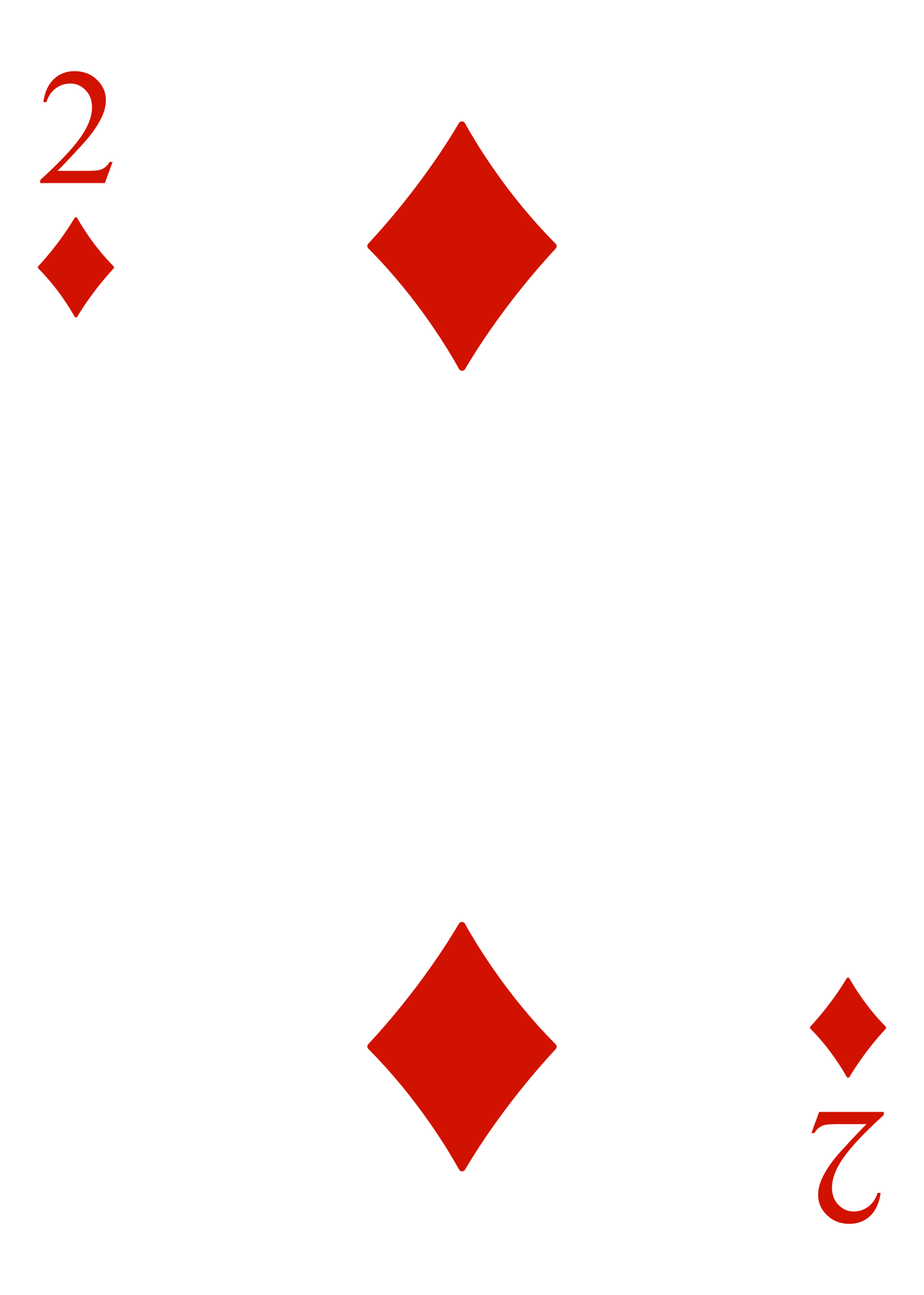
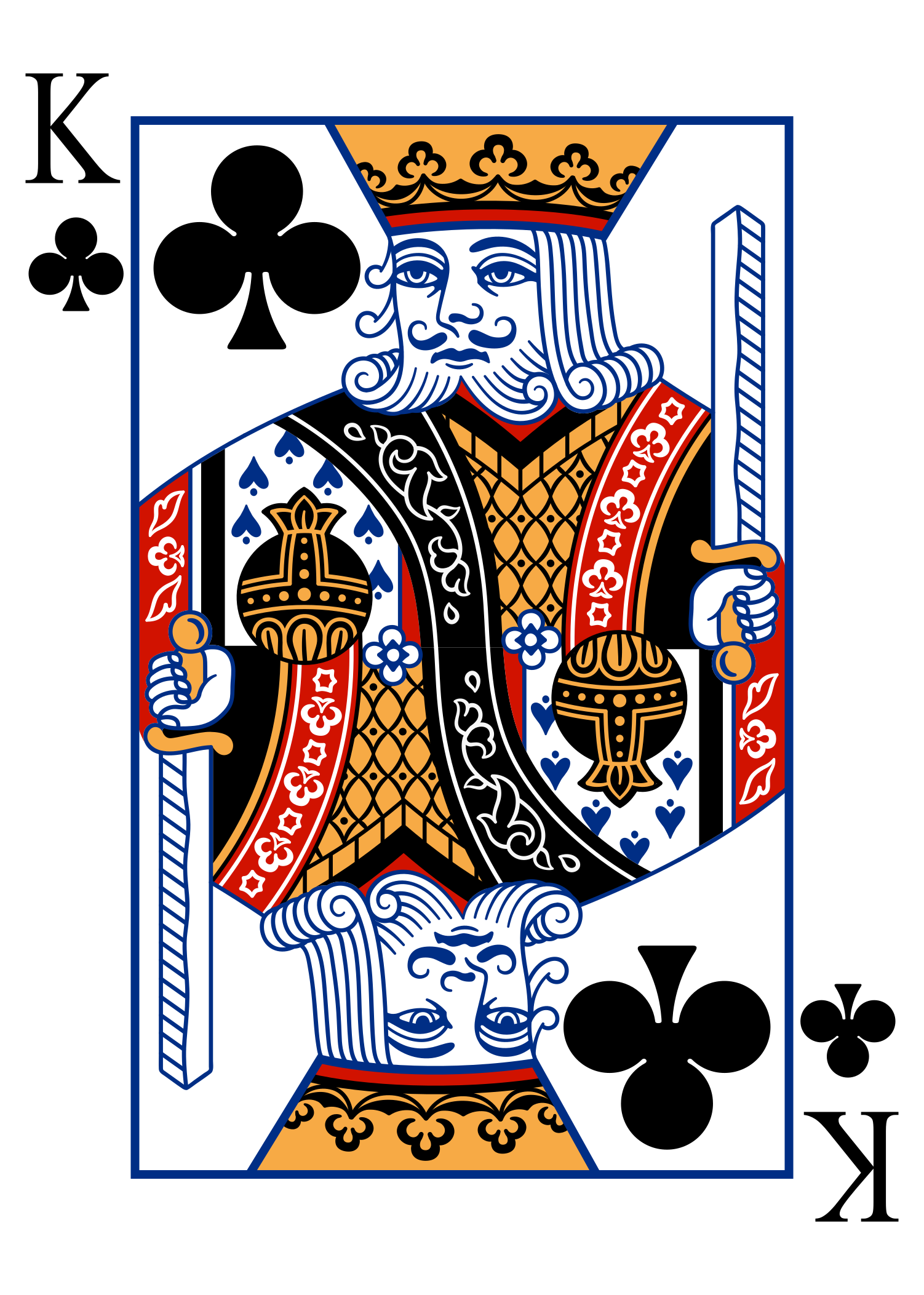
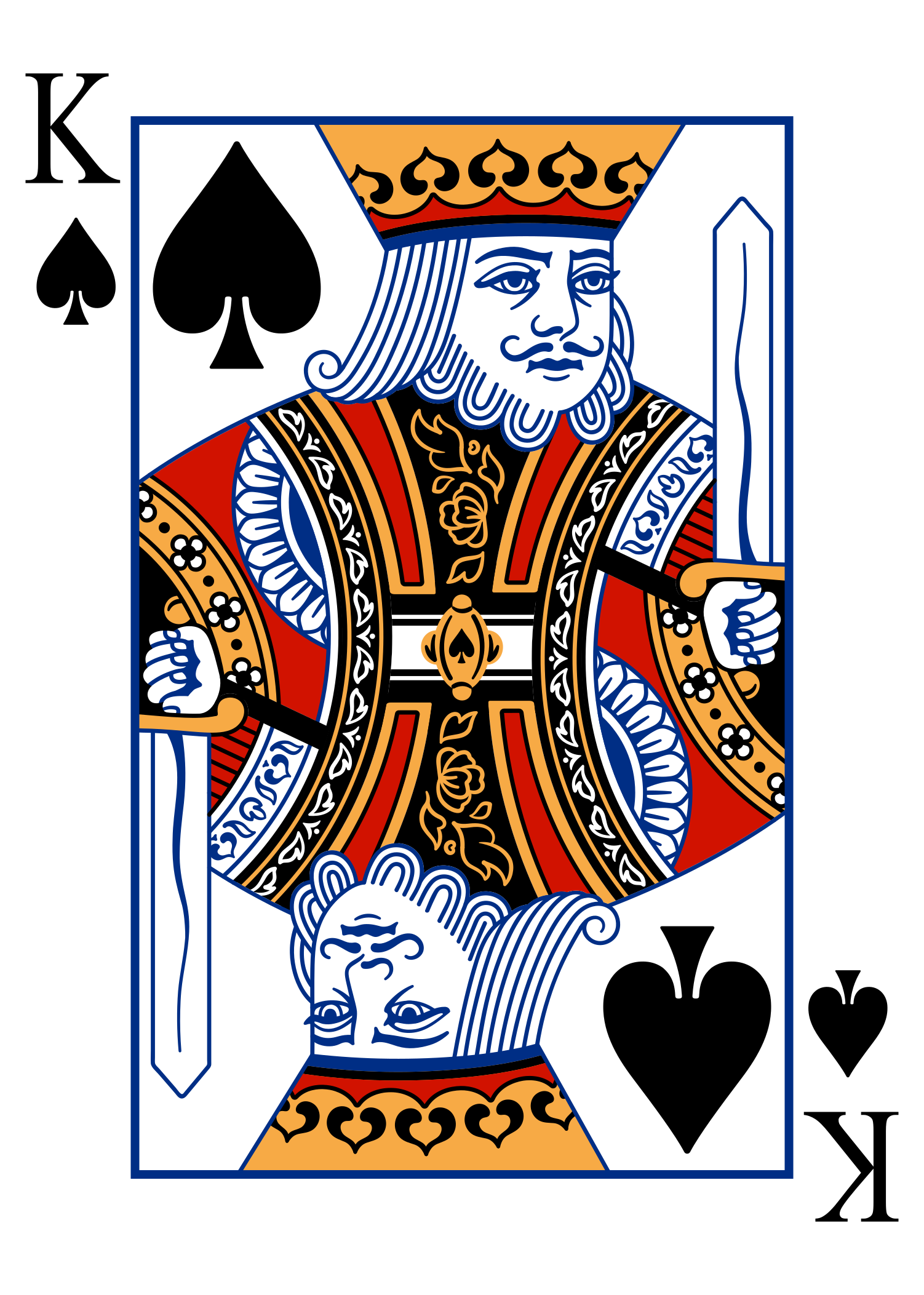
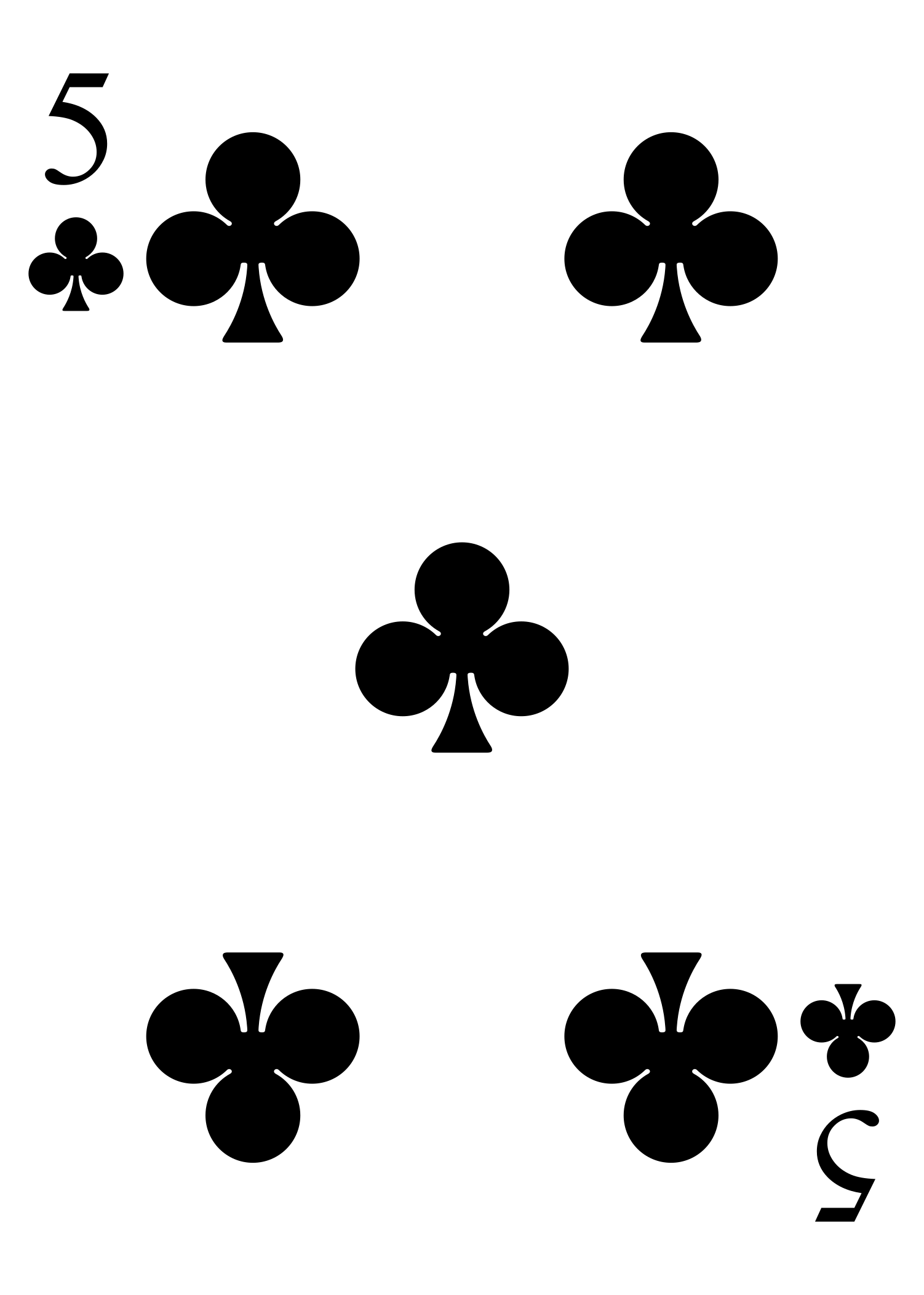
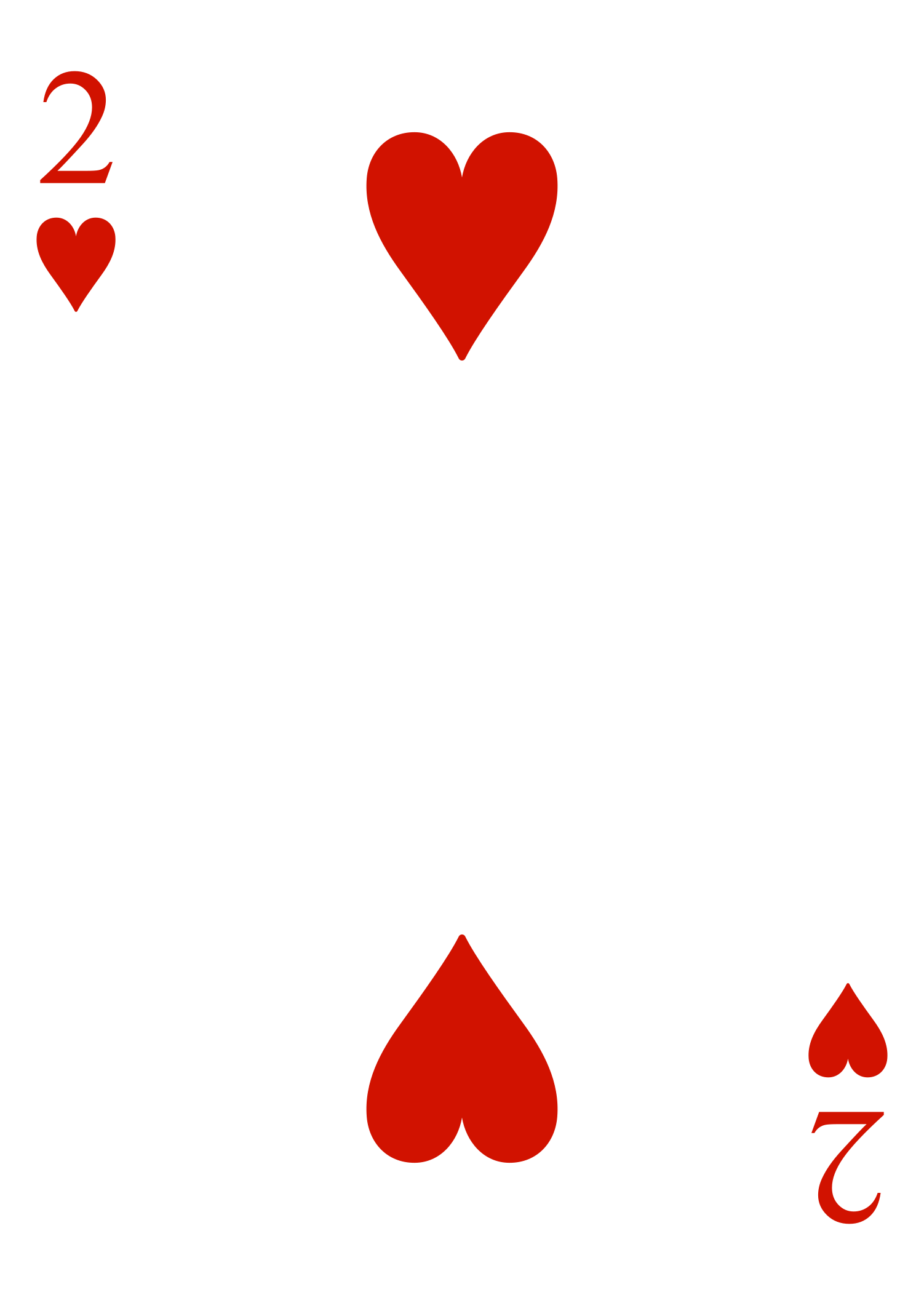
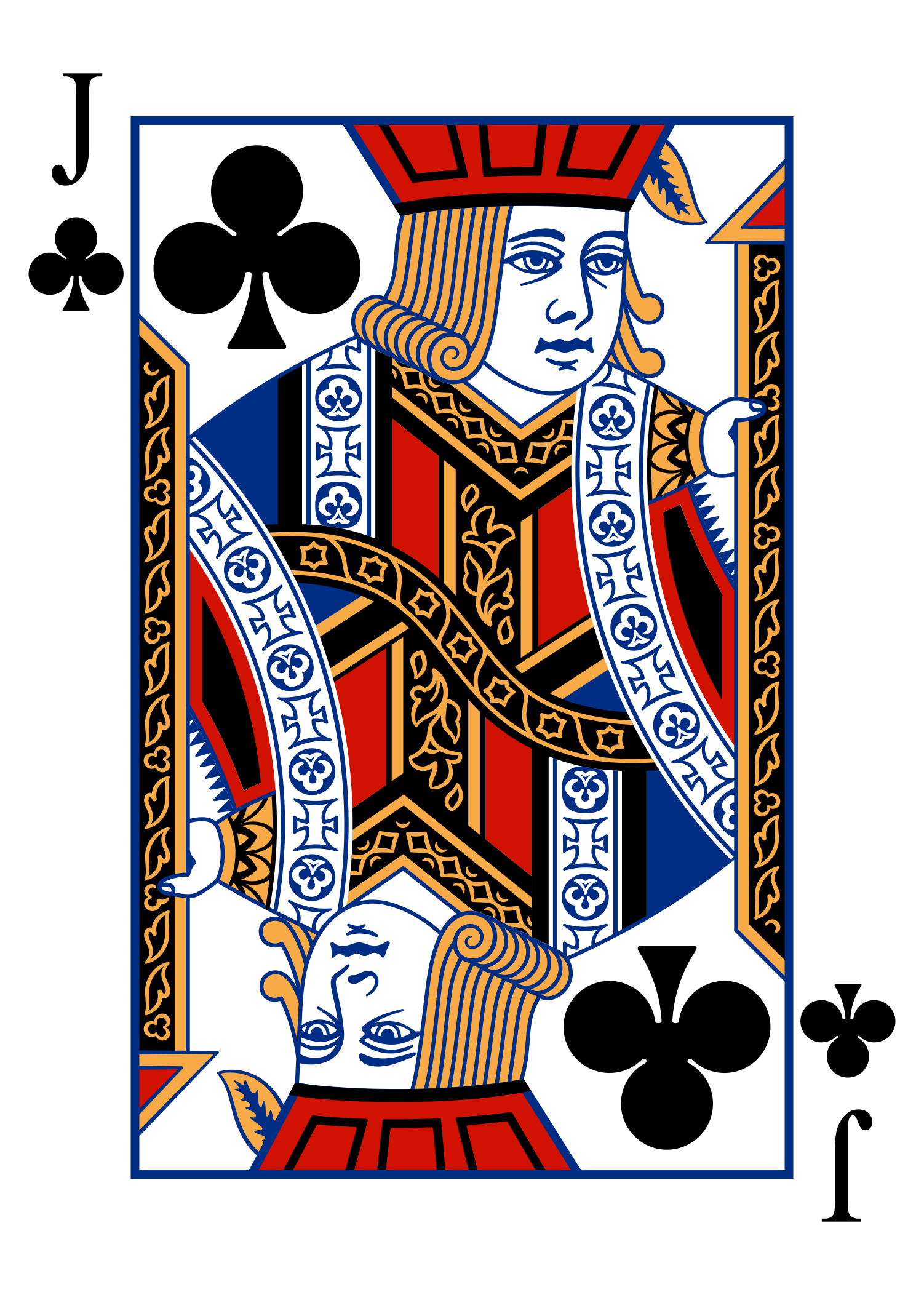
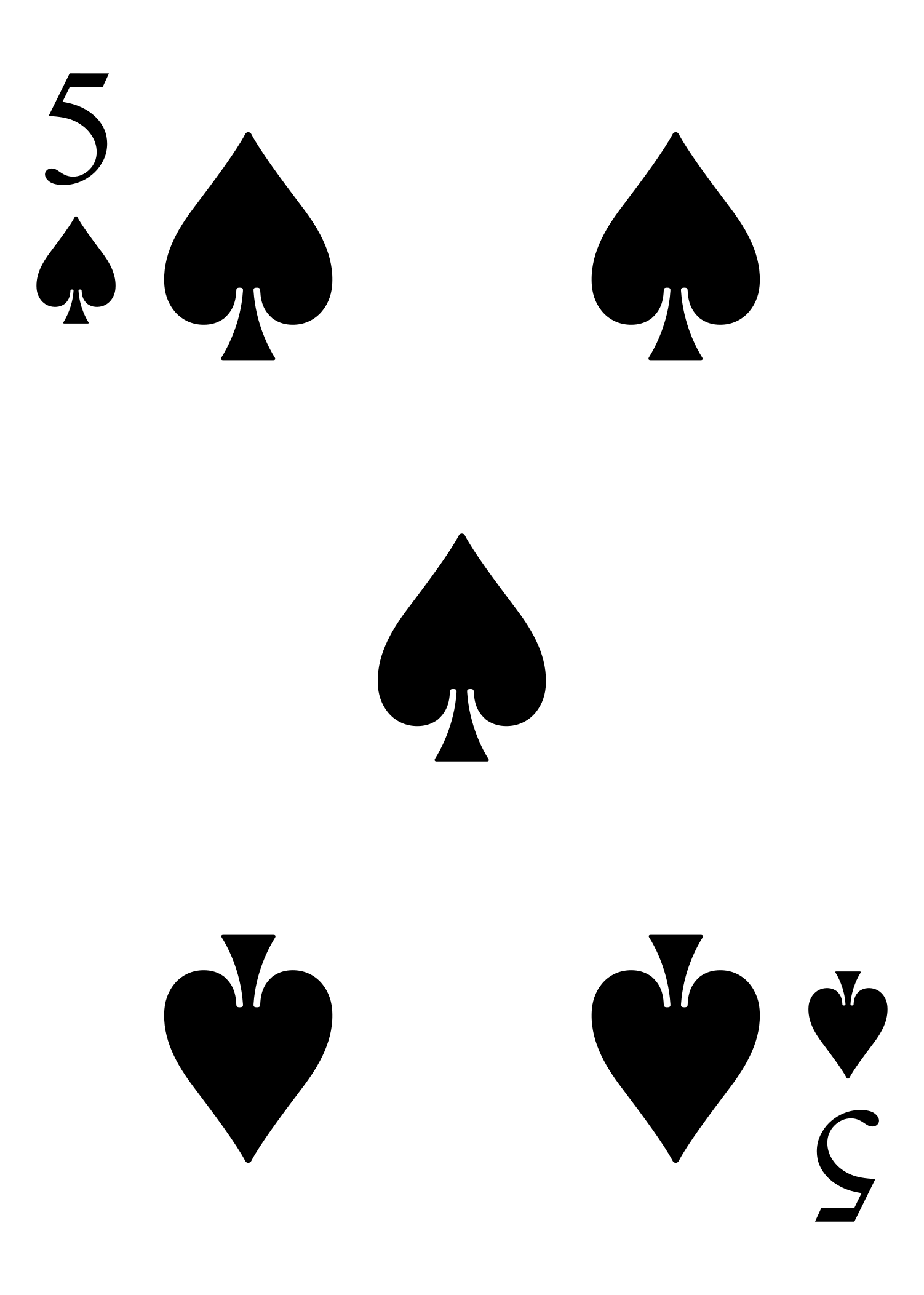
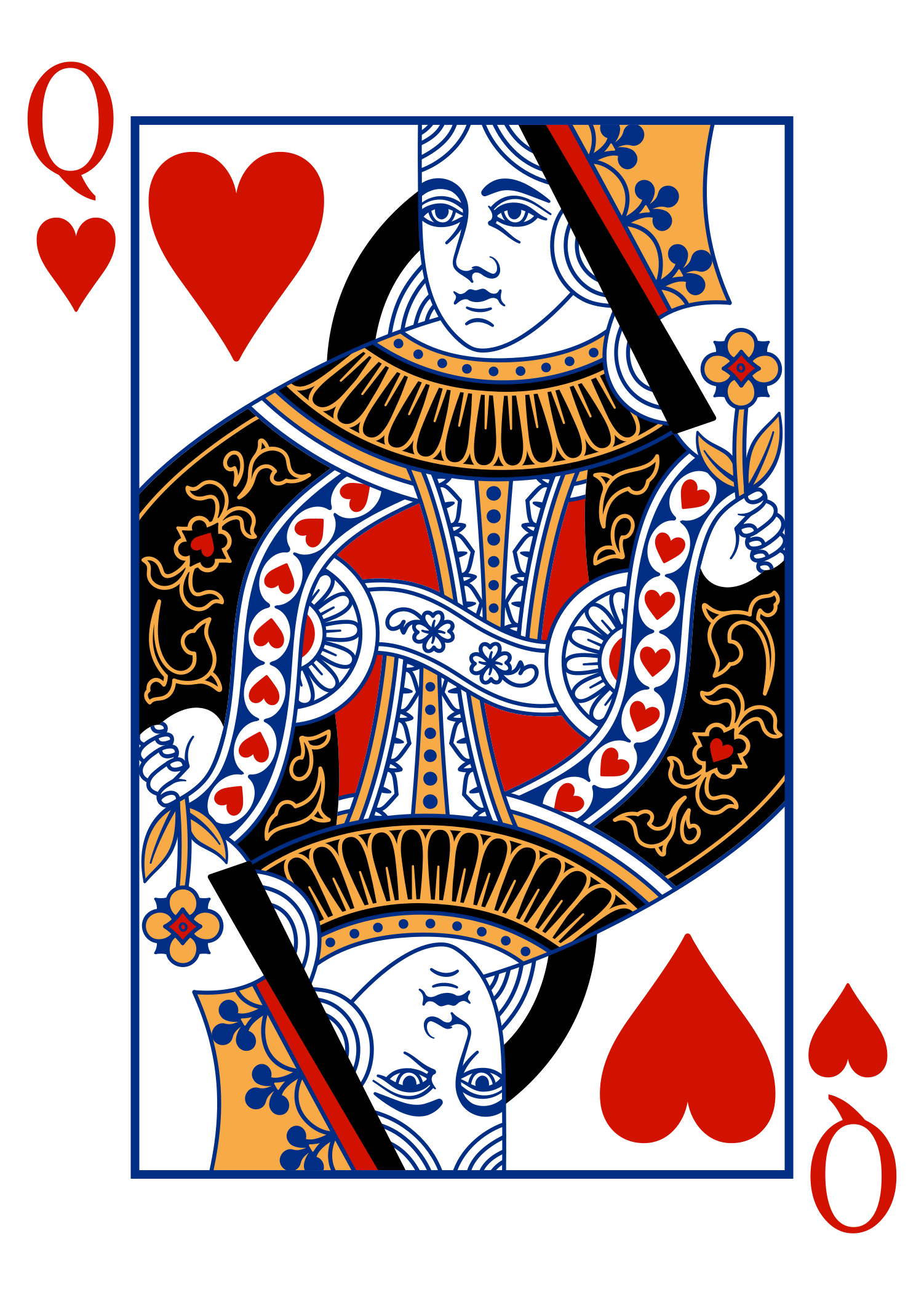
Eight face-up tableau columns, four free cells and four suit foundations. The first four columns hold seven cards and the final four hold six.
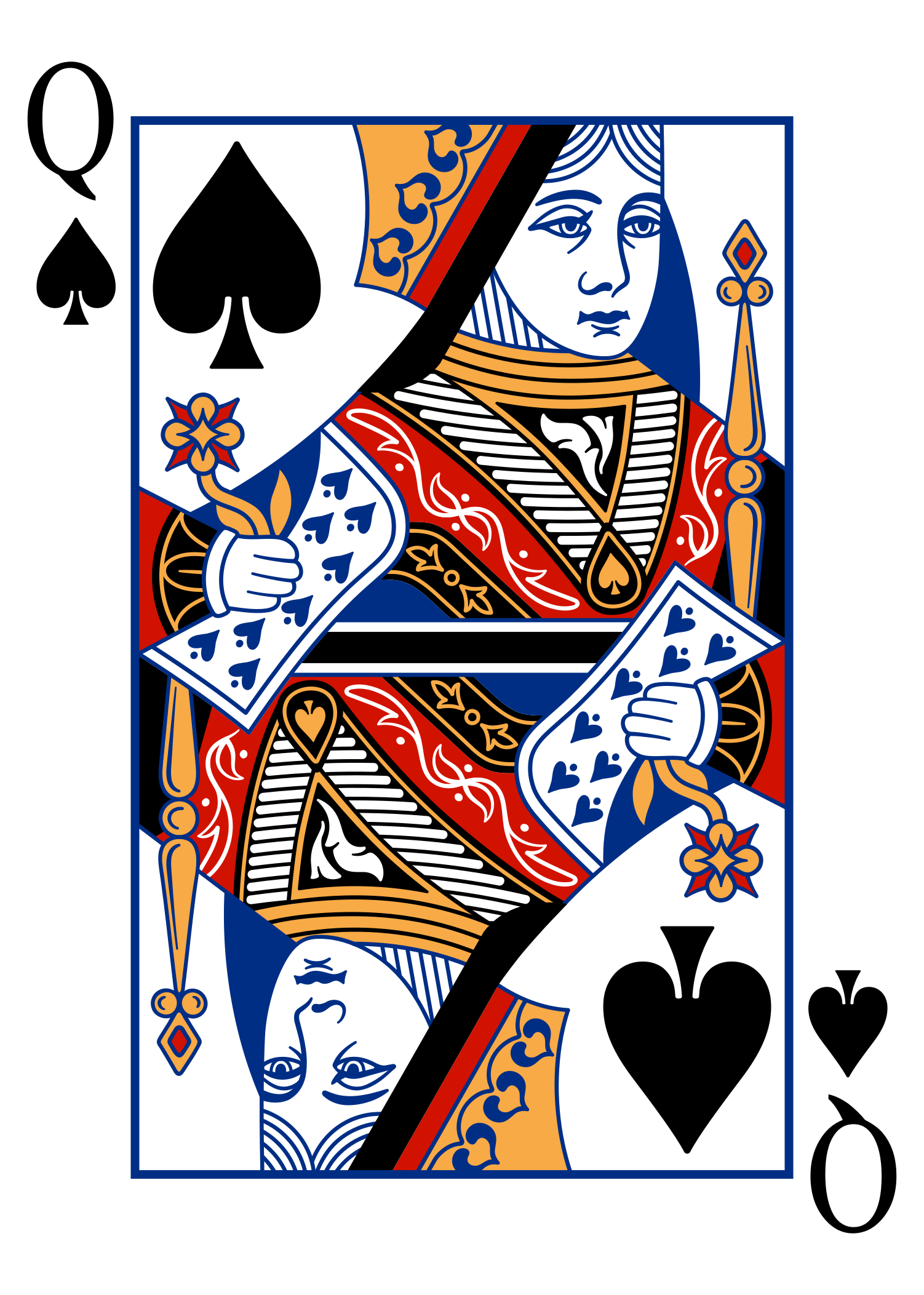
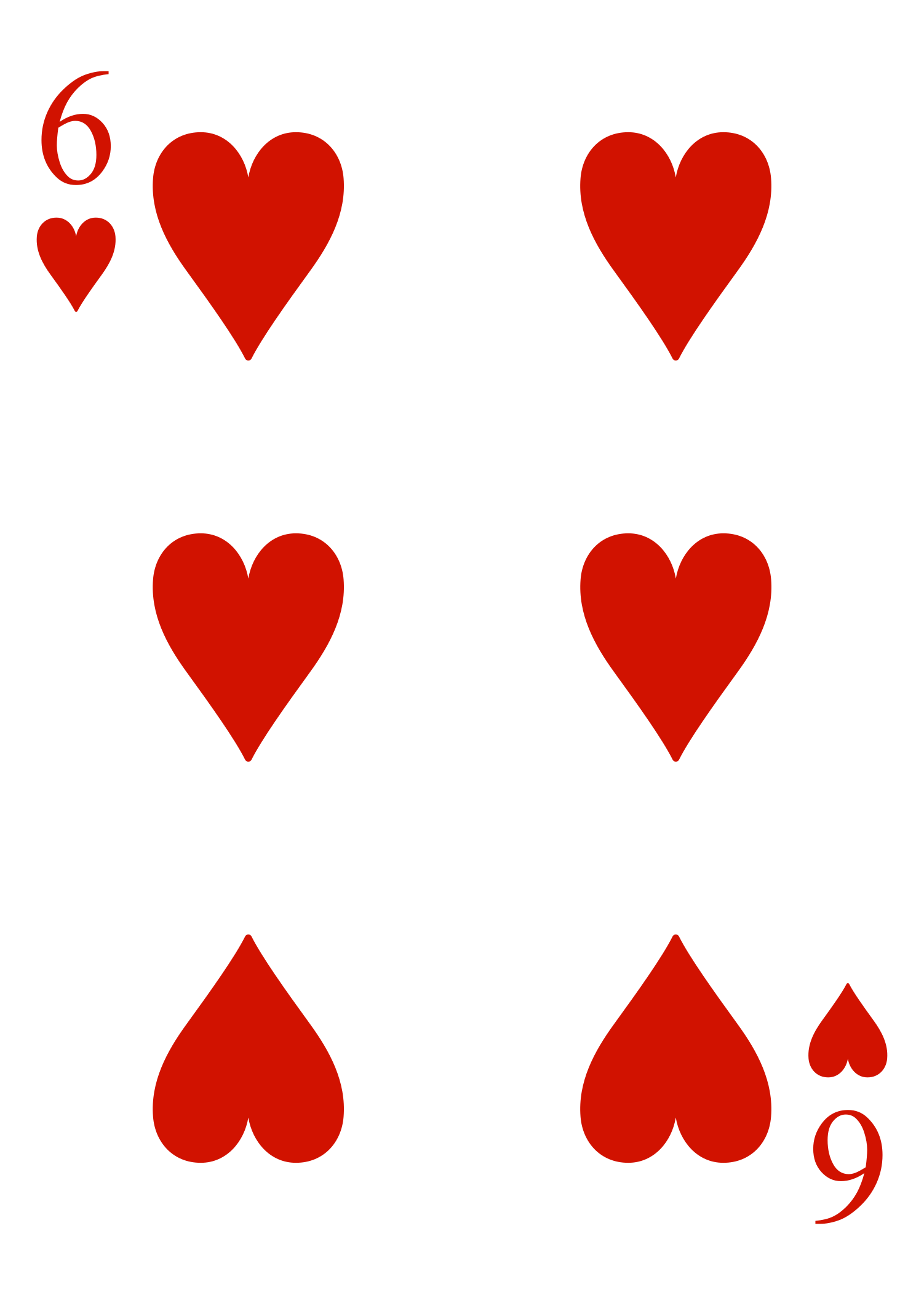
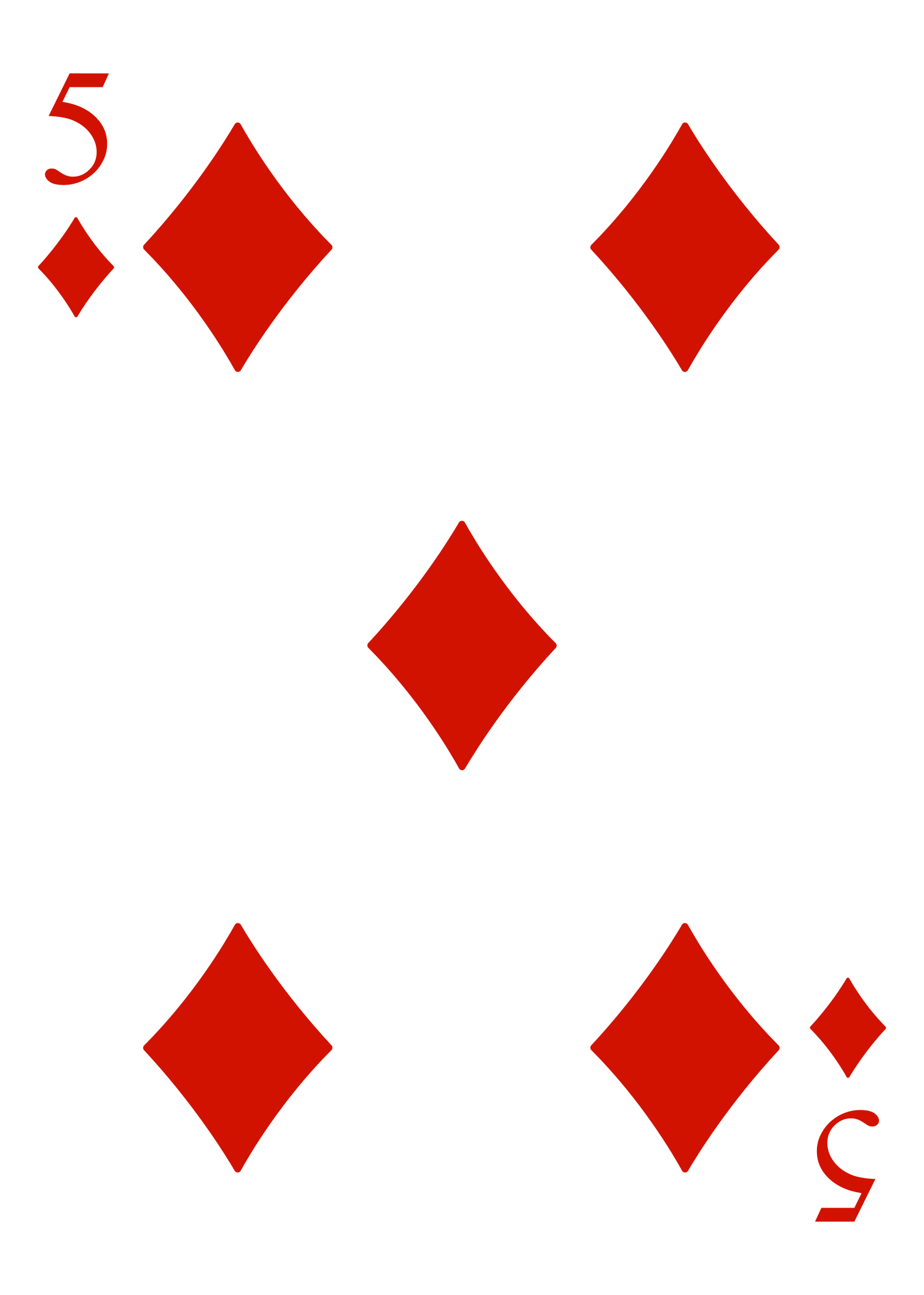
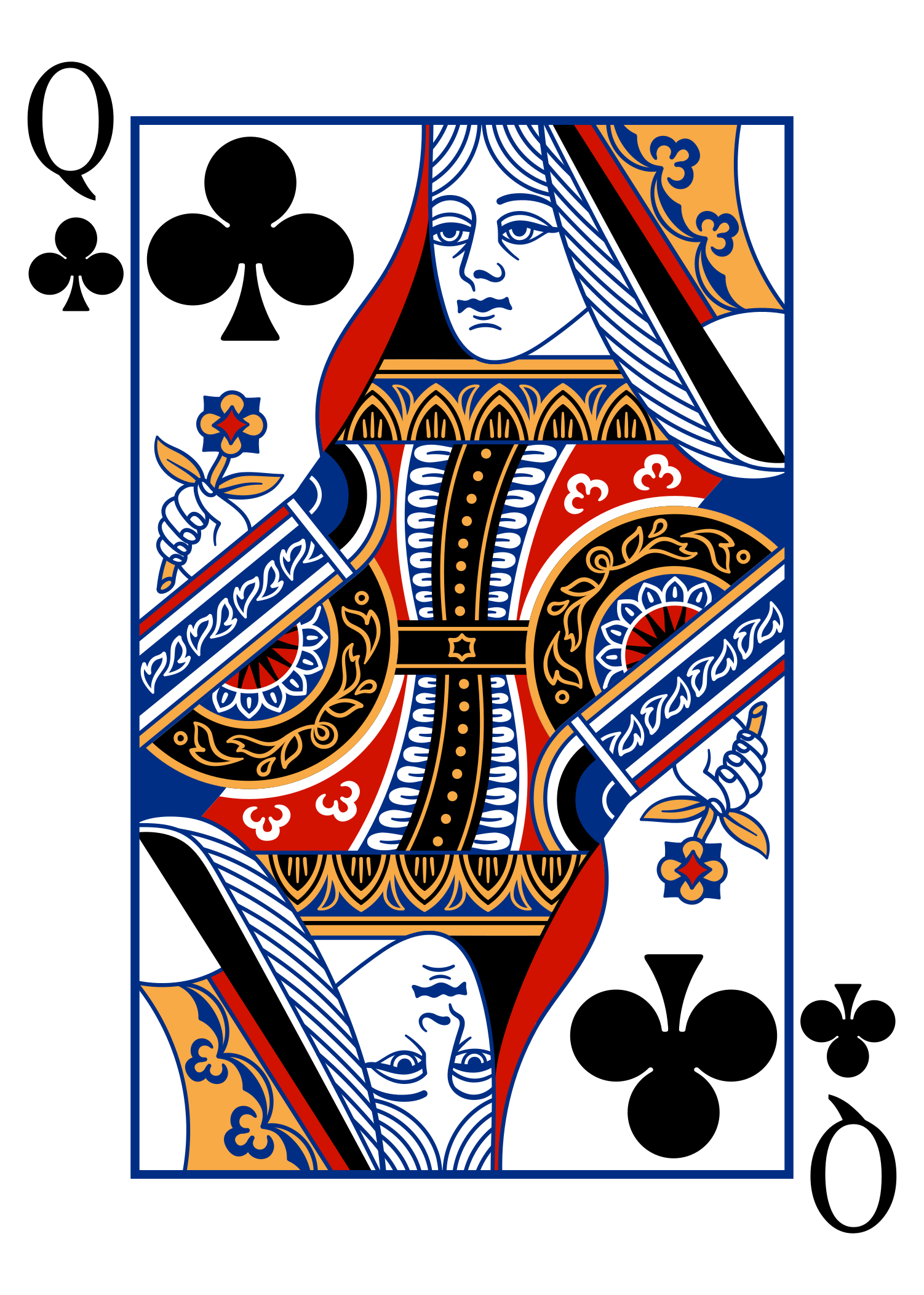

FOUR SIMPLE RULES
FreeCell Rules
Prefer a guided lesson? Open the step-by-step FreeCell walkthrough.
01The board+
FreeCell has four distinct zones: the tableau (eight columns), four free cells (single-card slots in the upper-left), and four foundations (in the upper-right, one per suit). There is no stock pile. The deal is 52 cards face-up, distributed row-by-row across the eight tableau columns. Columns 1–4 receive 7 cards each and columns 5–8 receive 6 cards each — 7 + 7 + 7 + 7 + 6 + 6 + 6 + 6 = 52. All free cells and all foundations start empty.
02Tableau moves+
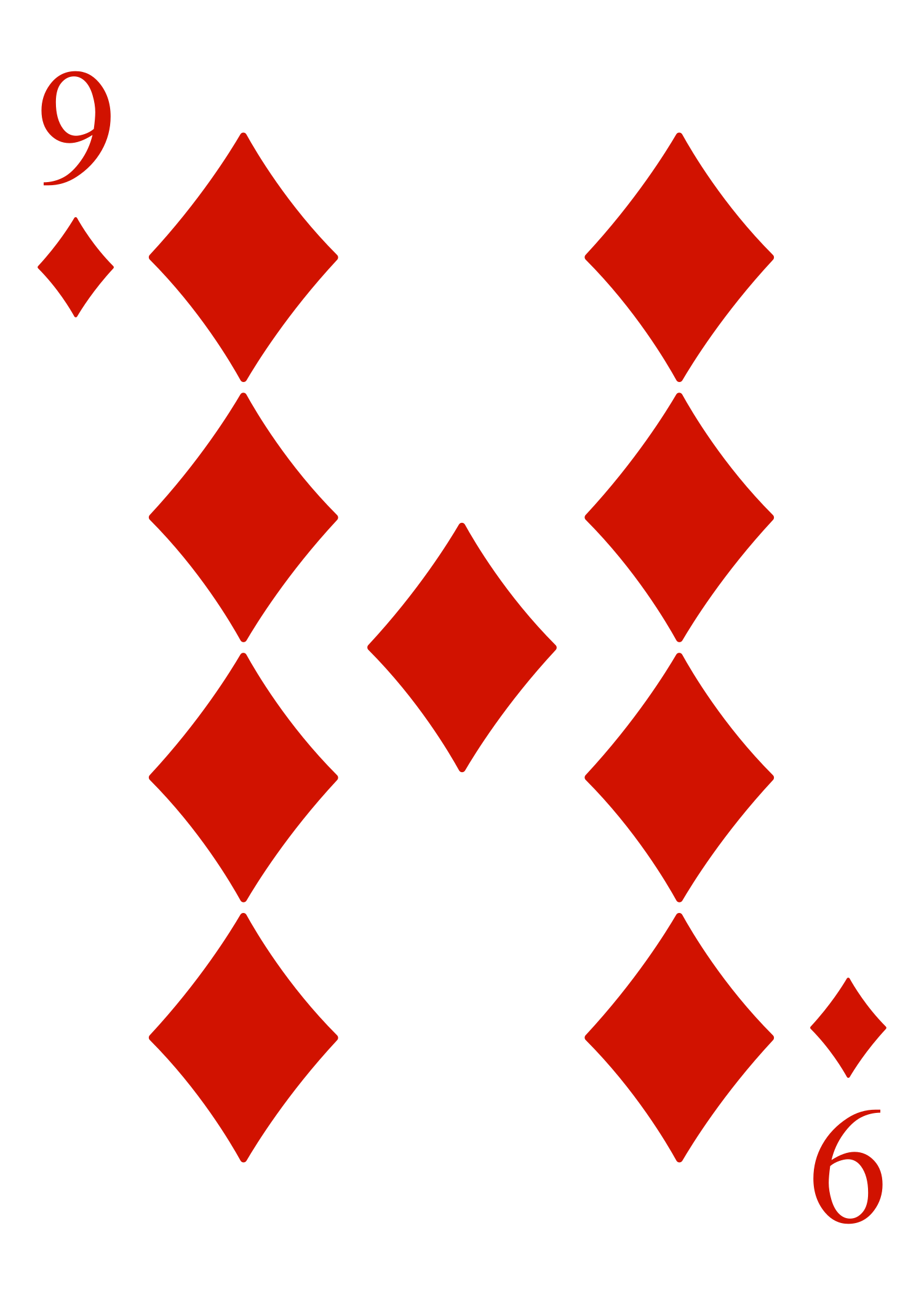
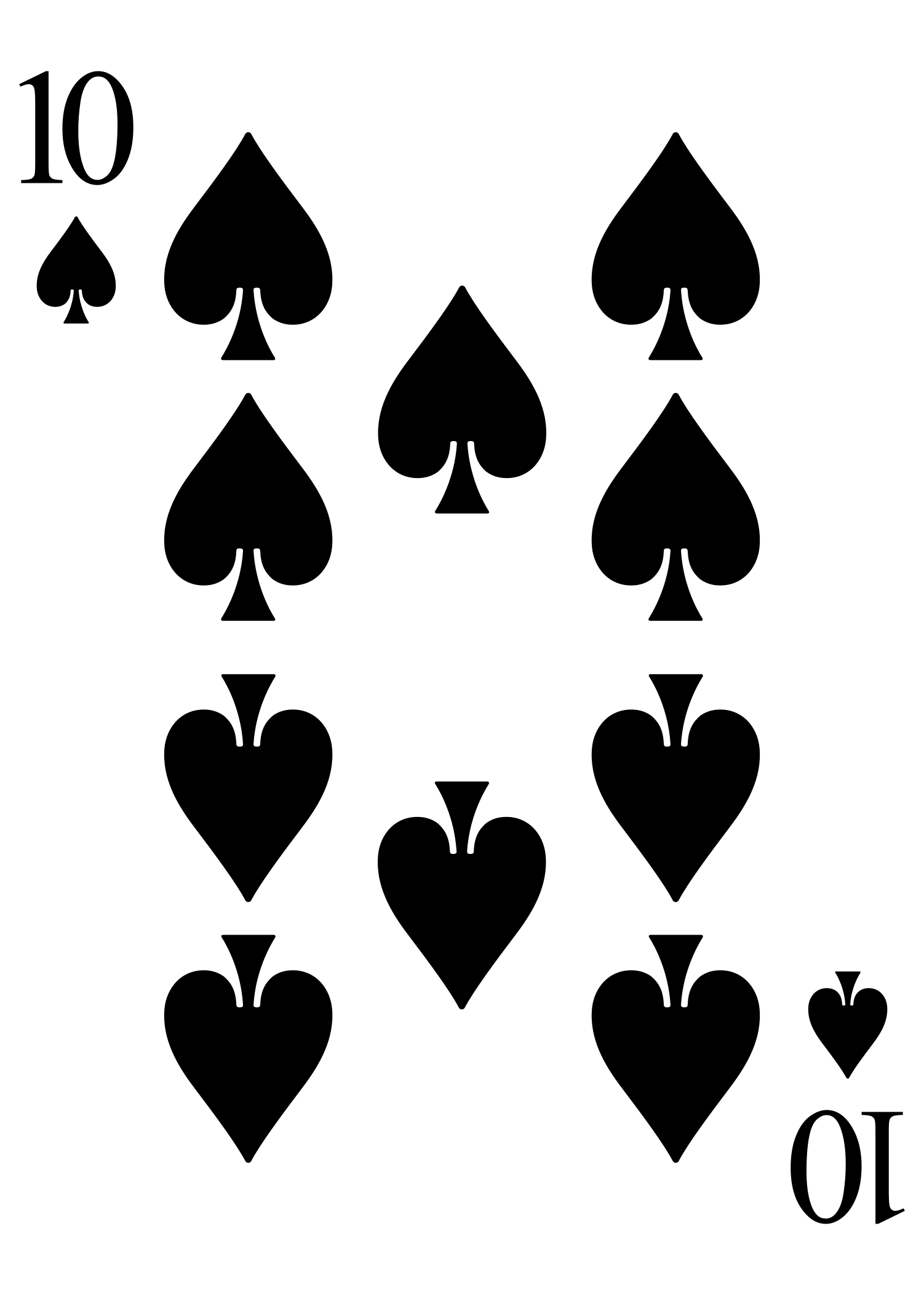
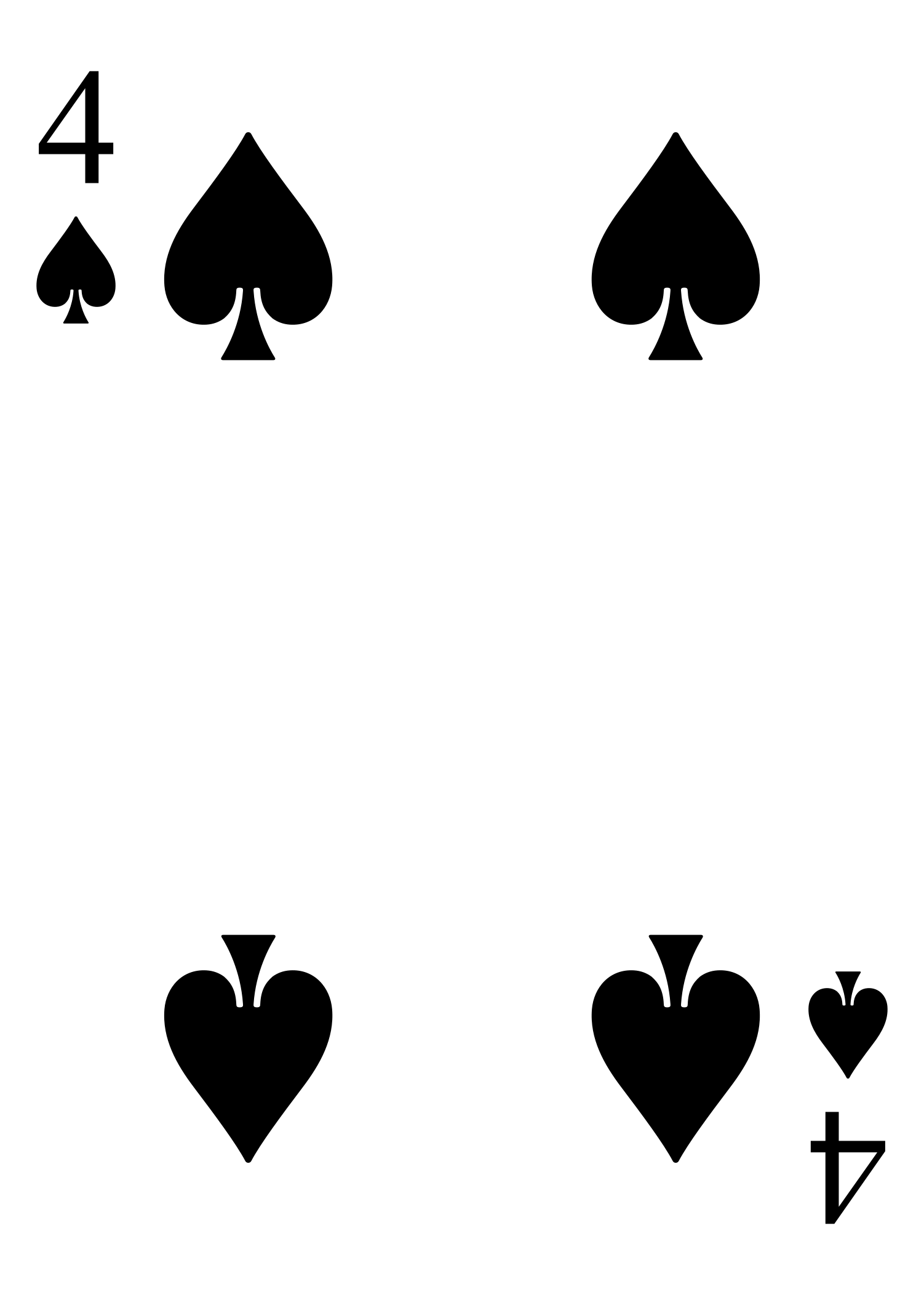
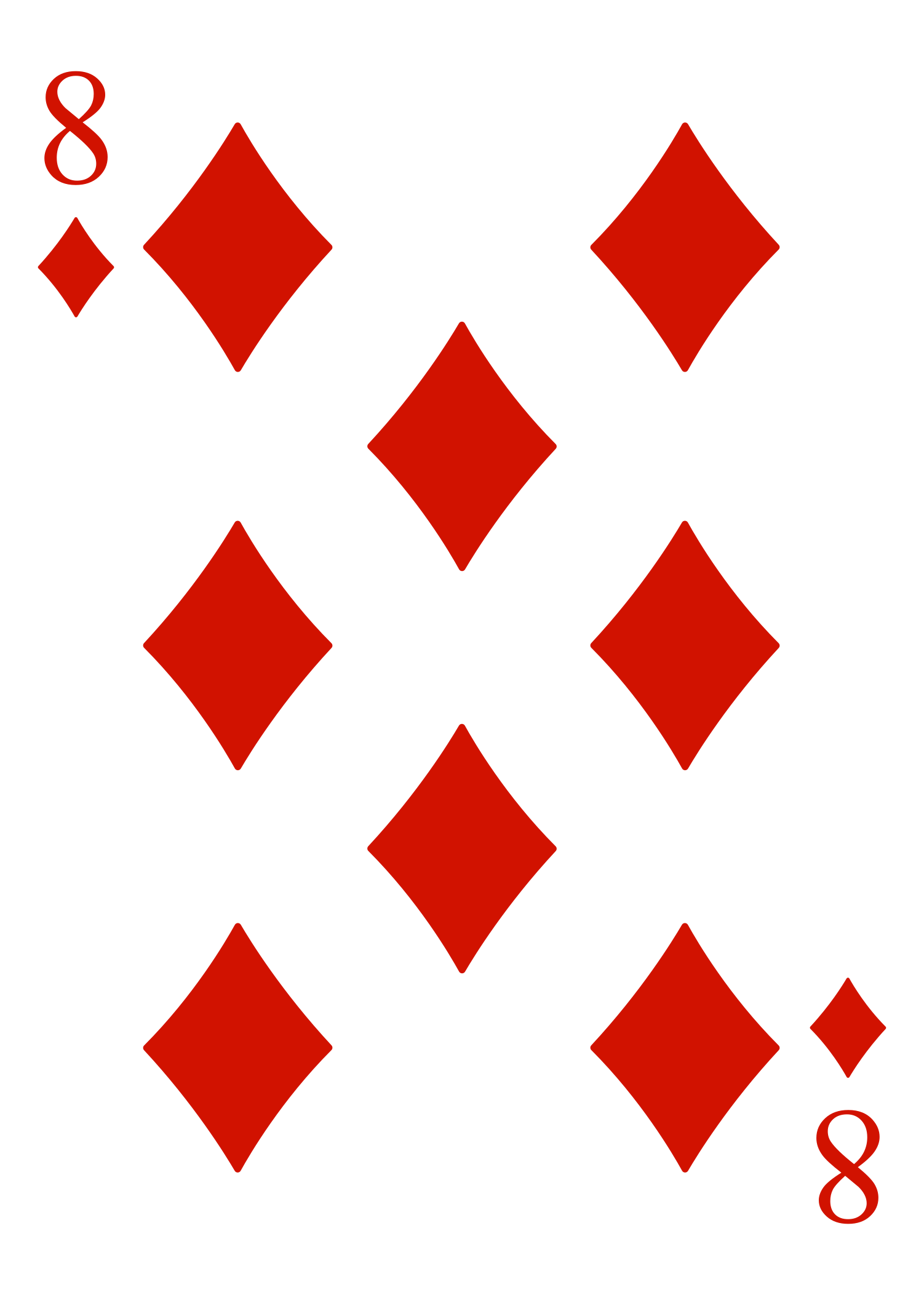
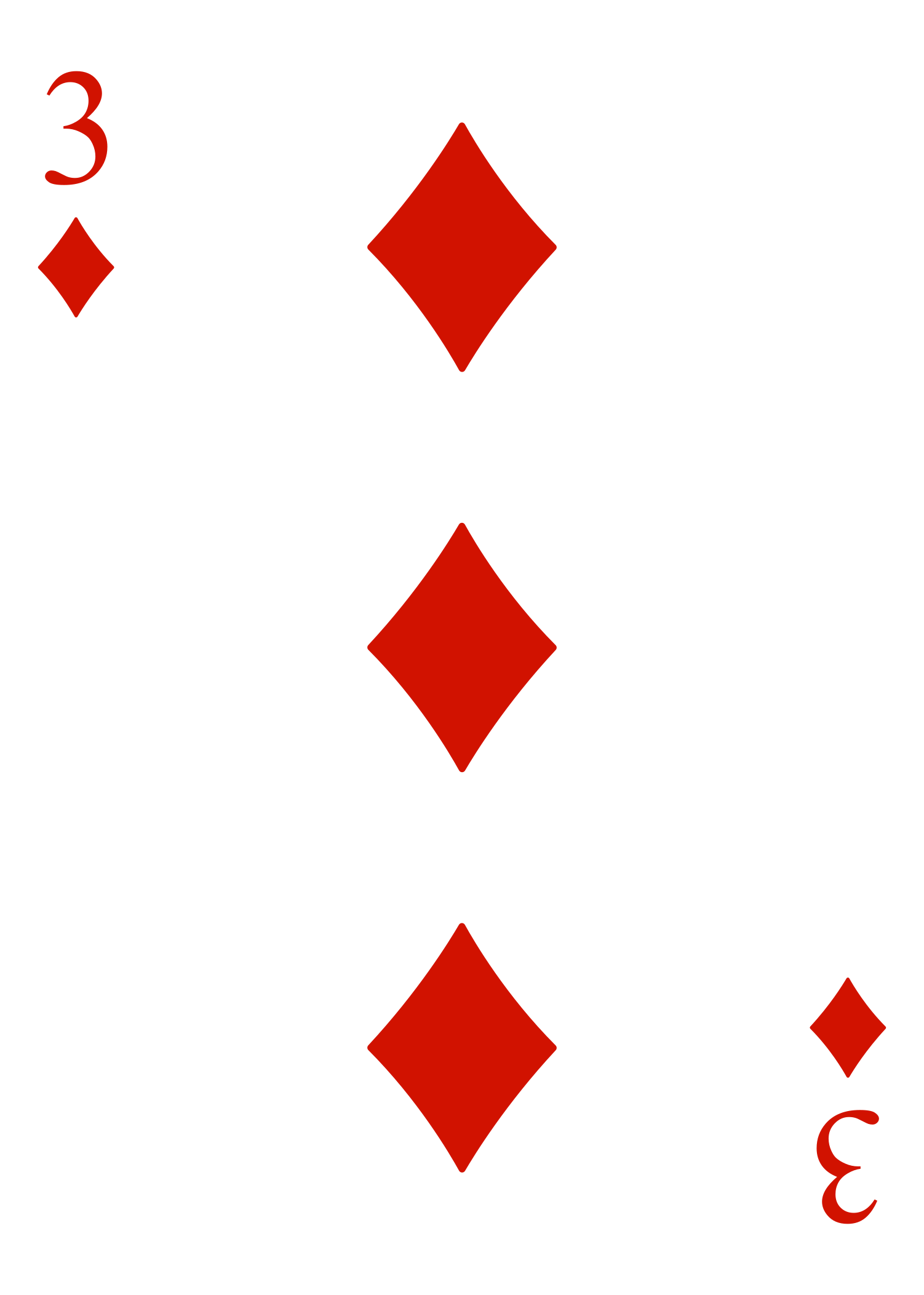
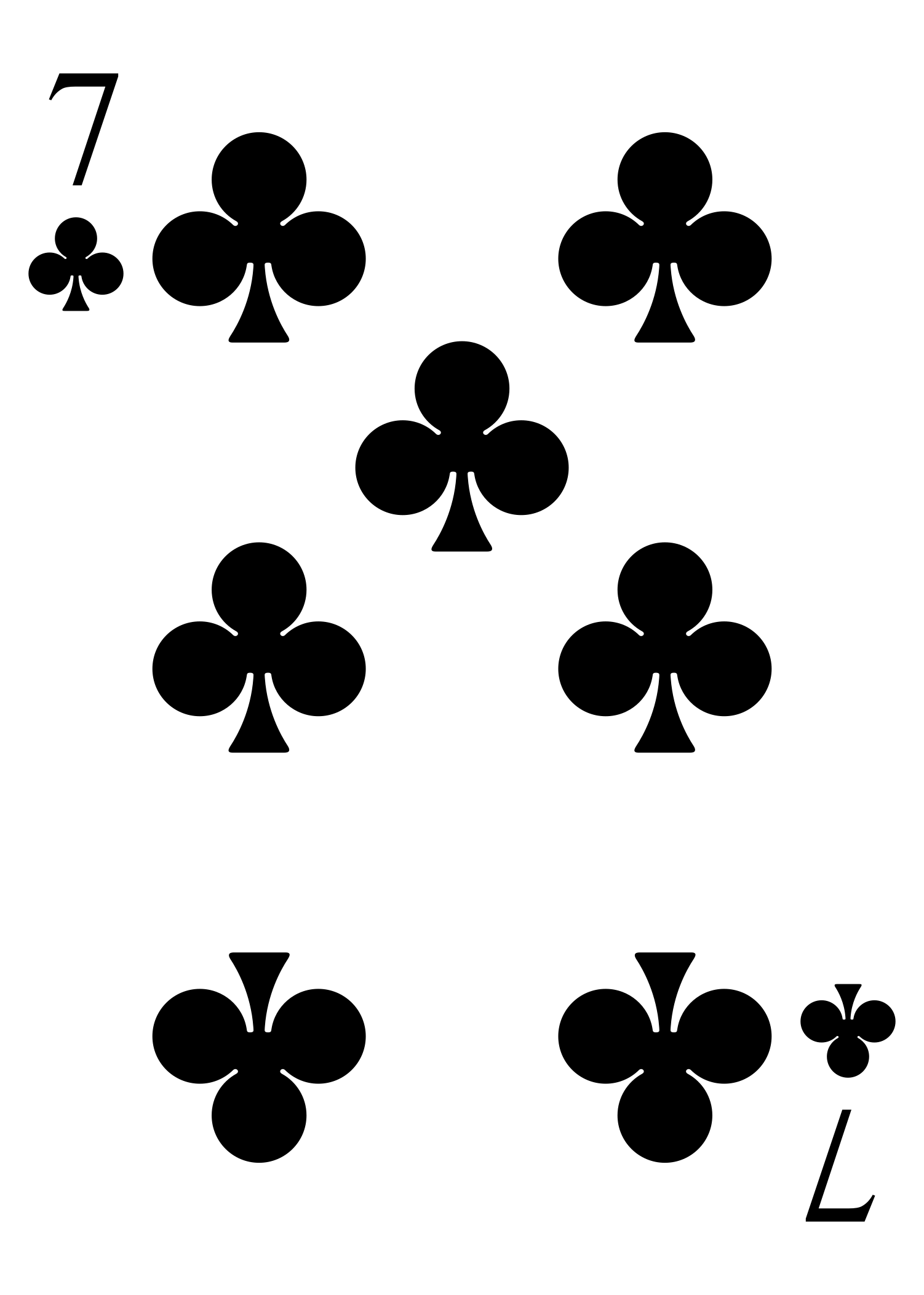
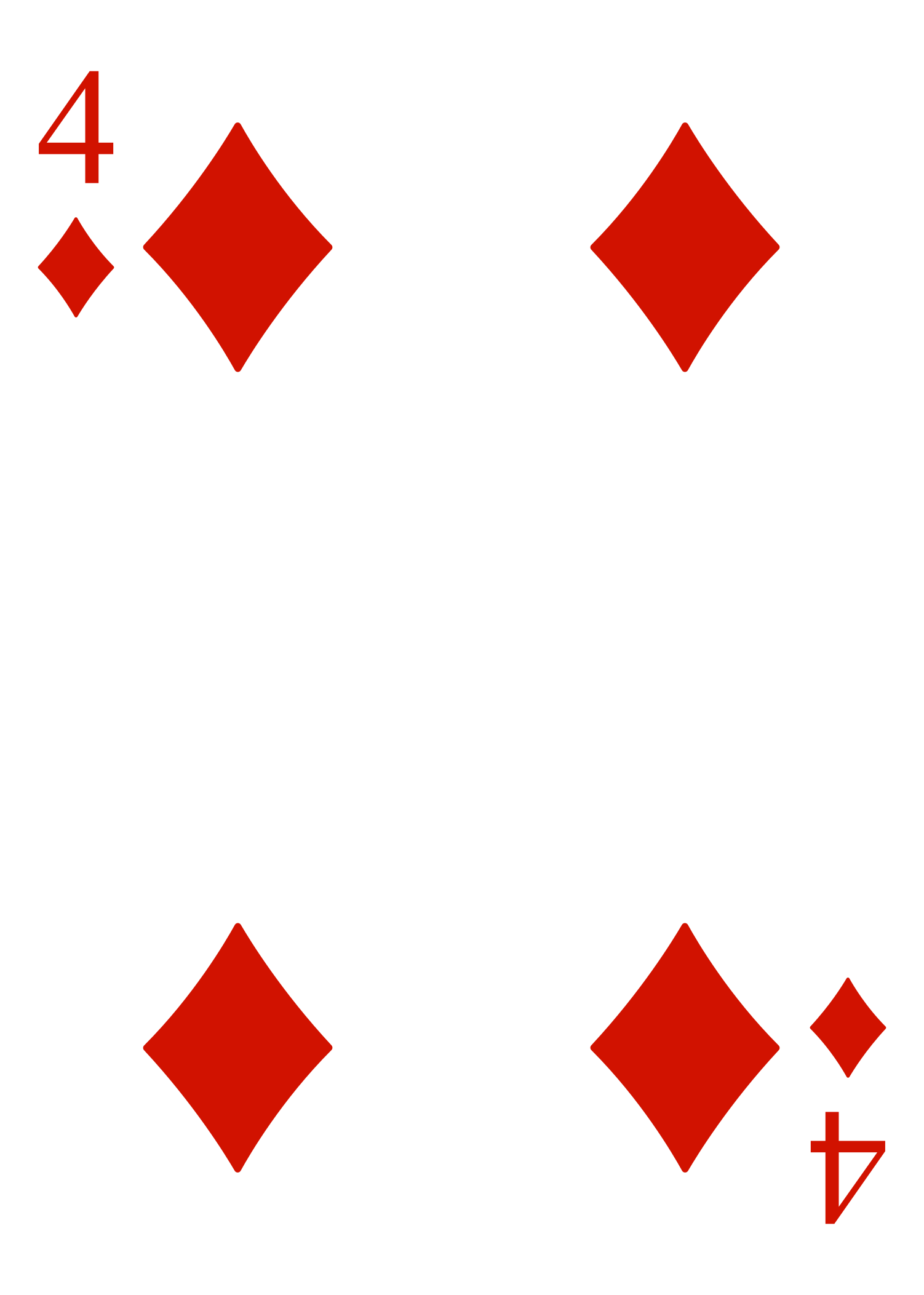
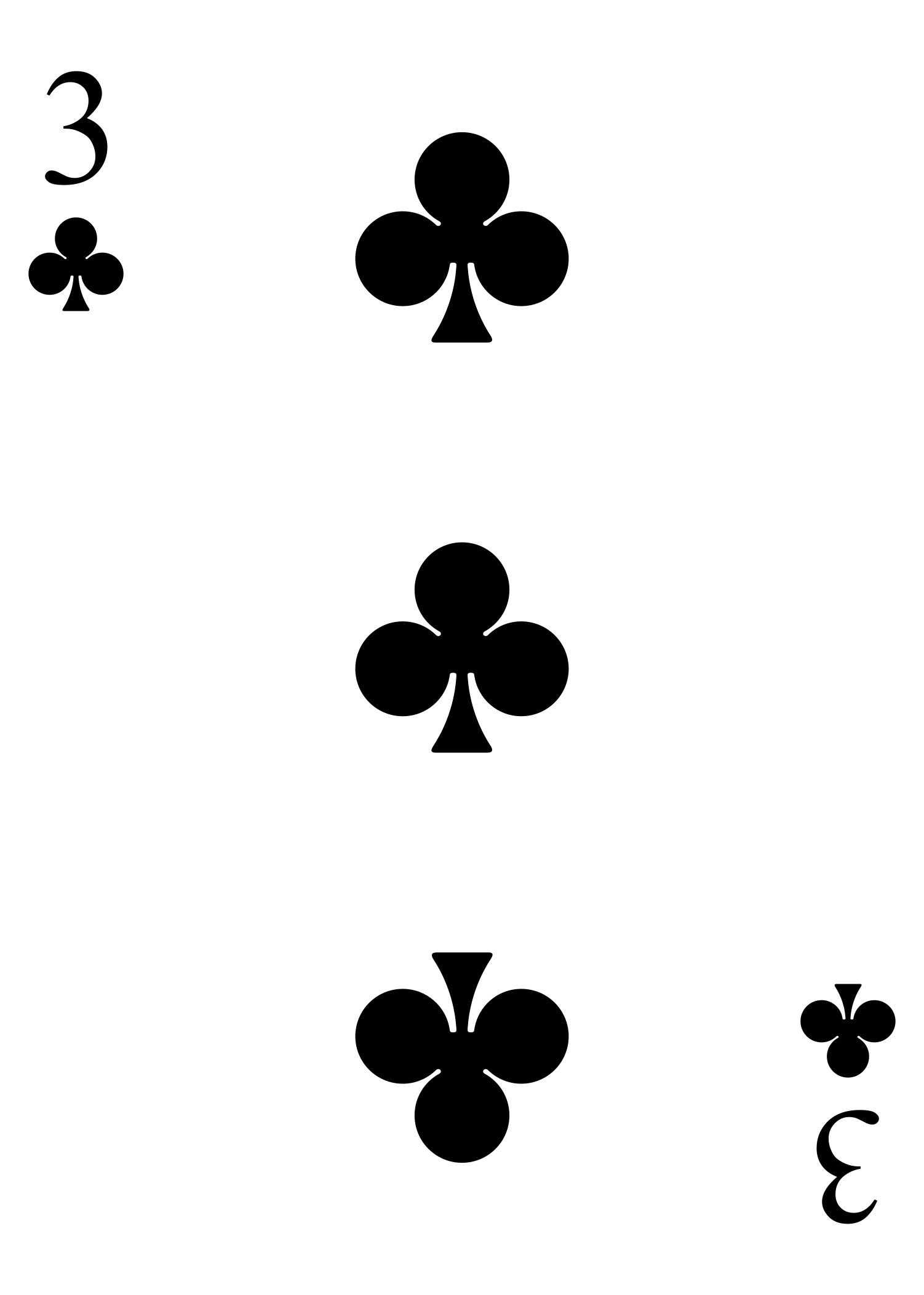
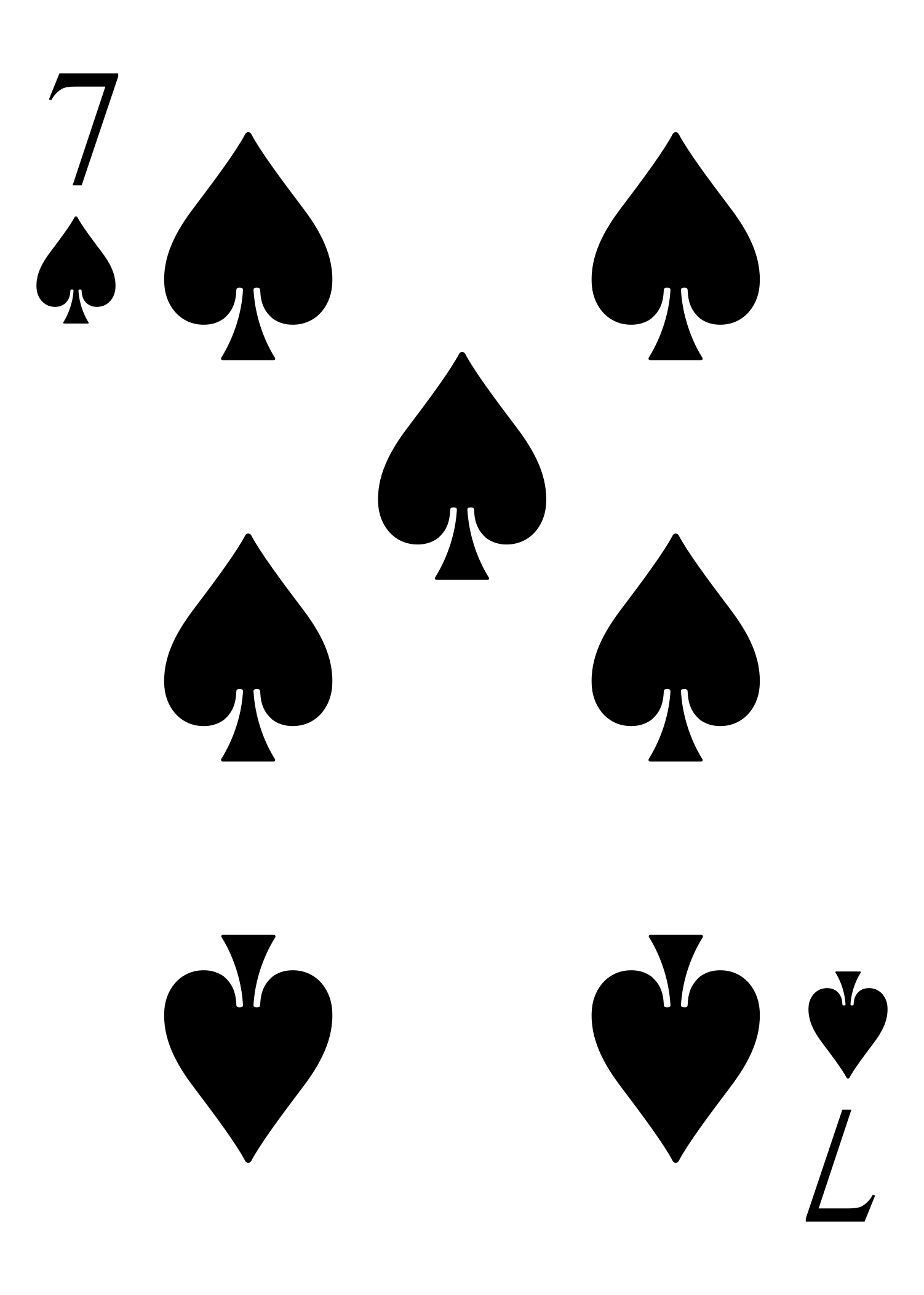
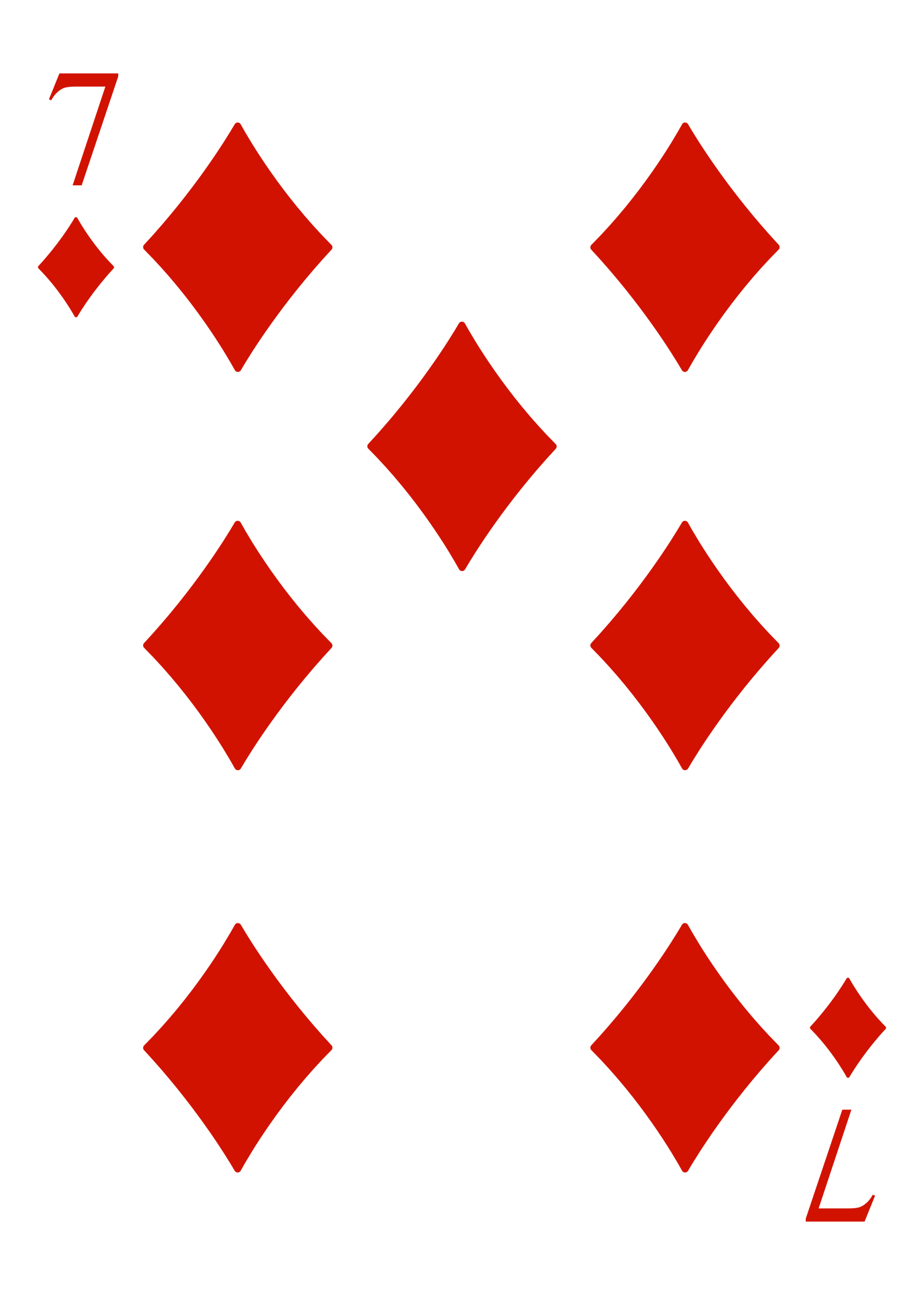
A card can be placed on top of a tableau column only if it is one rank lower than the card currently on top and of the opposite color. So a black 7 can land on a red 8, a red 5 on a black 6, and so on. An empty tableau column can accept any card — classic Solitaire restricts empty columns to Kings. This makes empty columns one of the most valuable tactical resources in the game.
03Free cells+
Each of the four free cells holds exactly one card. You can move any accessible card into an empty free cell, and any card stored in a free cell can move back to the tableau (when the destination rules are satisfied) or forward to a foundation (when that suit is ready for it). Free cells are your short-term working memory. Every empty free cell increases the number of cards you can shift in a single supermove — so over-filling the cells often locks the board.
04Foundations+
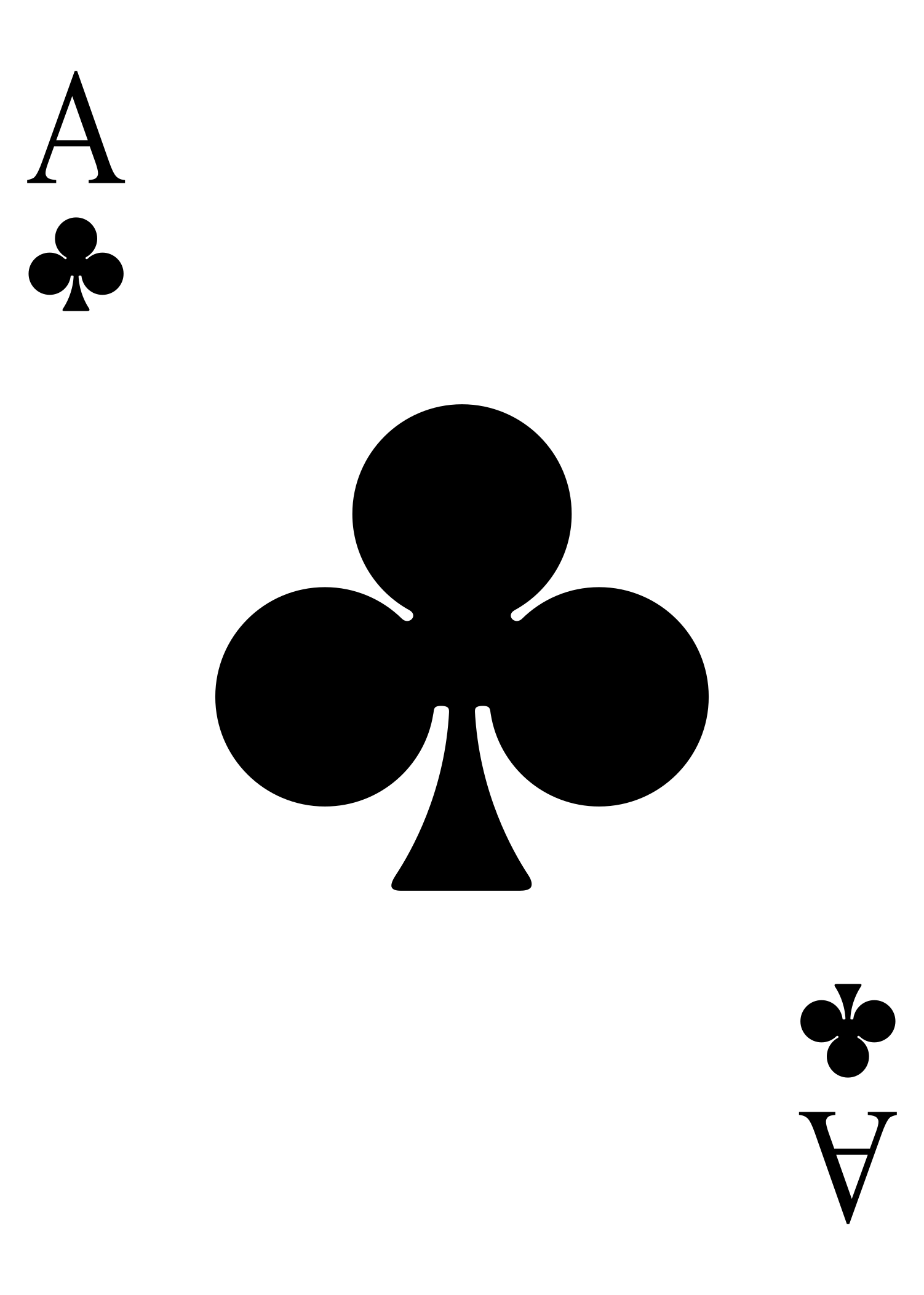
Each foundation starts empty and accepts any Ace. Once an Ace commits a foundation to its suit, the foundation builds up by rank within that suit — 2, 3, 4, all the way to King. All four foundations full = you win. Cards sent to foundations can be pulled back to the tableau later in some FreeCell variants; PlaySolitaire's engine does support this via undo, but reversing a foundation play mid-game is usually a mistake — the foundations are where cards retire, not visit.
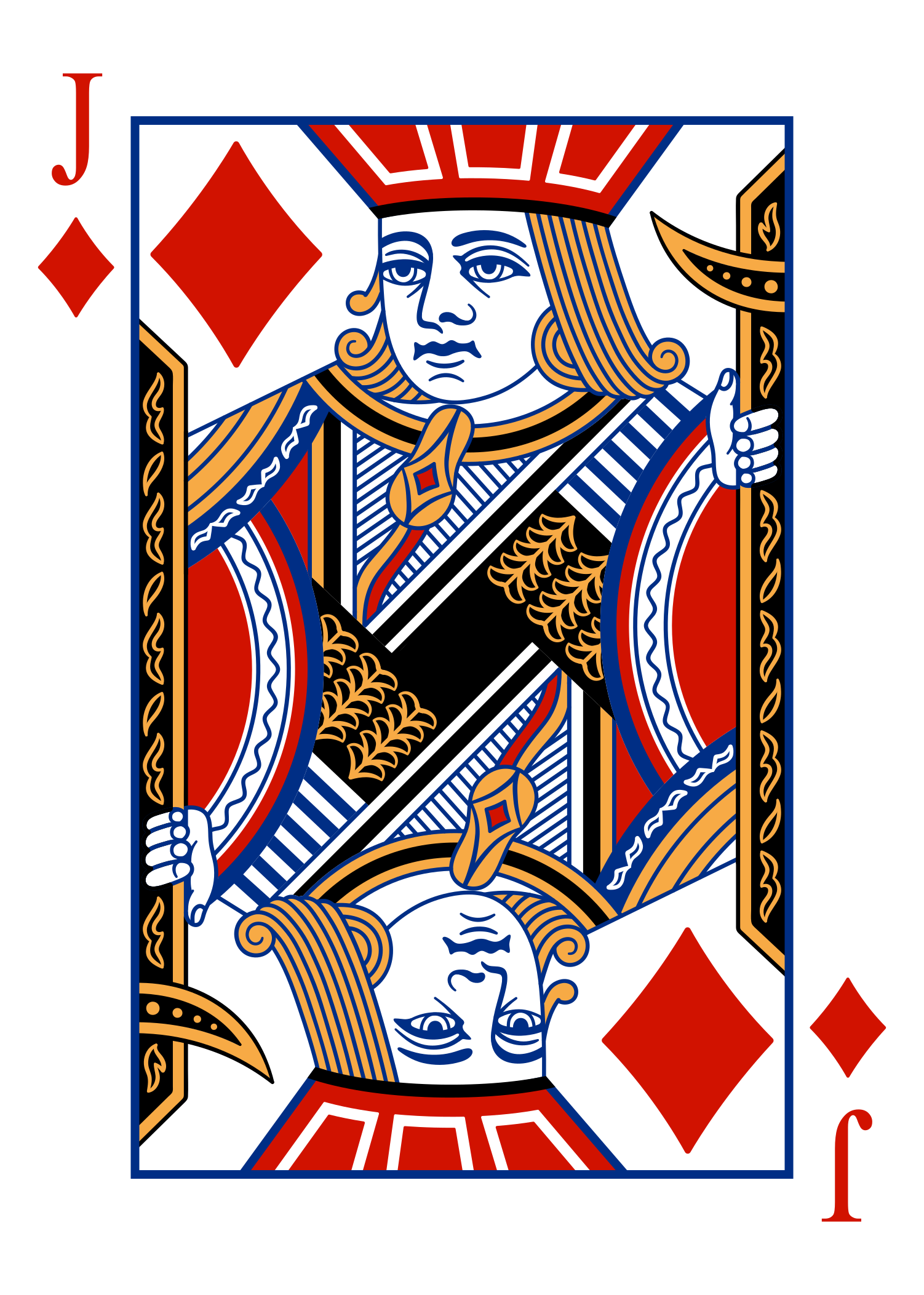
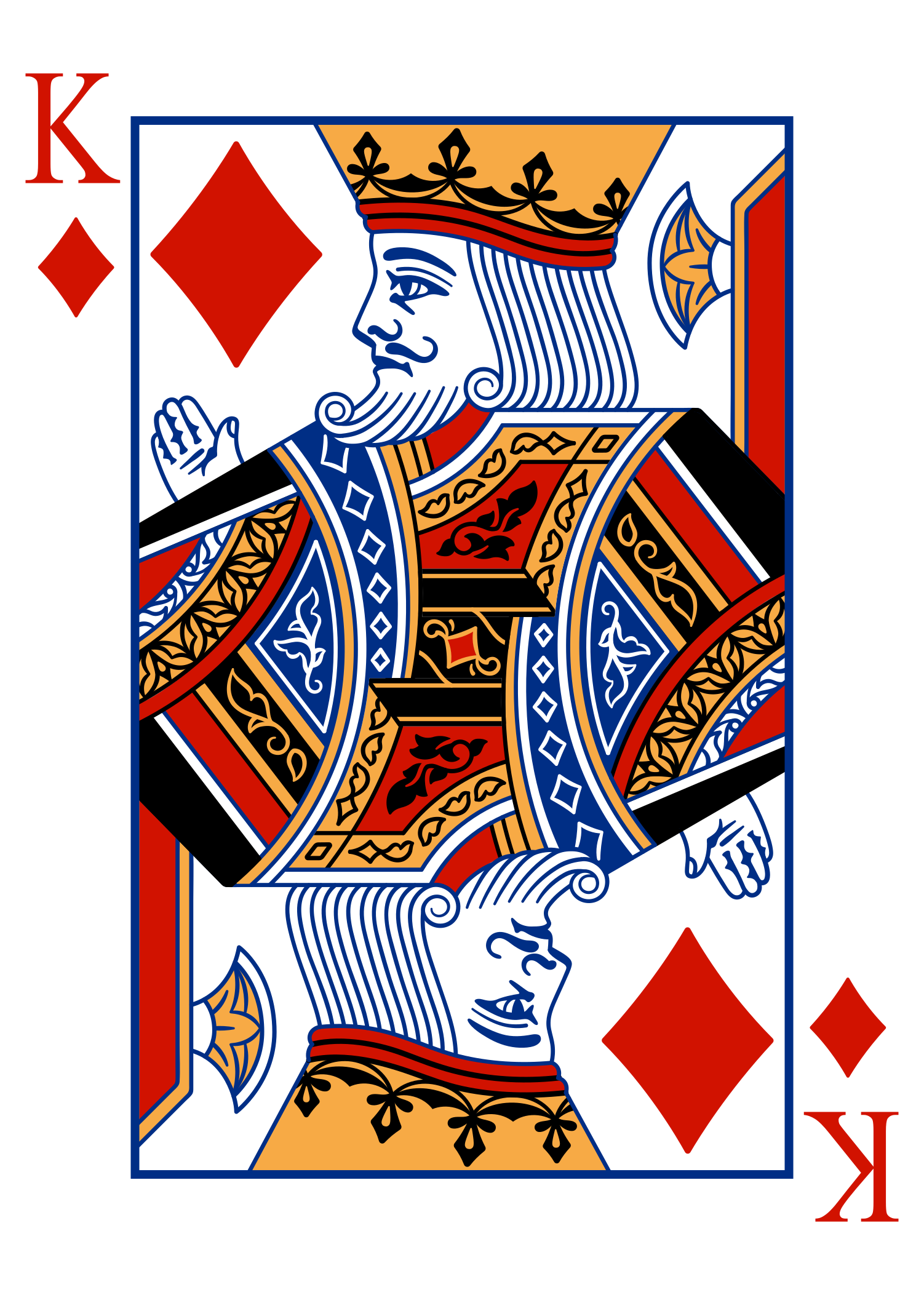
Descending rank, alternating colors — a red 6 on a black 7
Same color — the move is refused
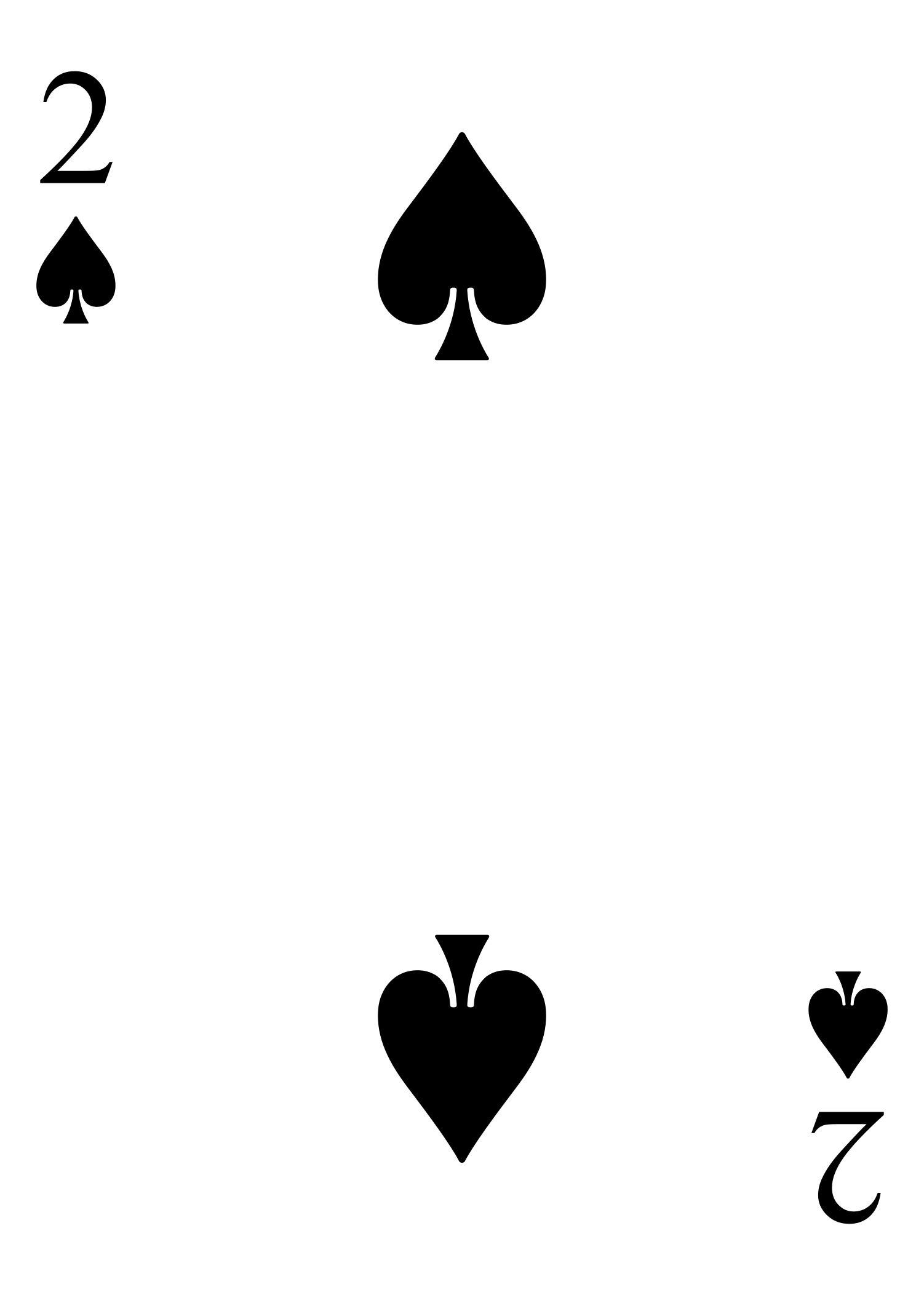
Any card may take an empty column — no King required
SPACE BECOMES CAPACITY
Supermoves
You can move a run of cards from one tableau column to another as a single action — provided the run is a valid descending-alternating sequence. The maximum run length is limited by the free cells and empty columns available to act as temporary holding slots: max run = (1 + empty free cells) × 2^(empty columns) when moving to a non-empty destination, or (1 + empty free cells) × 2^(empty columns - 1) when moving to an empty destination. The destination column itself doesn't count as a helper. With all four free cells empty and no empty columns, the maximum is 5 cards. Clear one column and the maximum jumps to 10. Planning around this formula is the heart of FreeCell strategy.
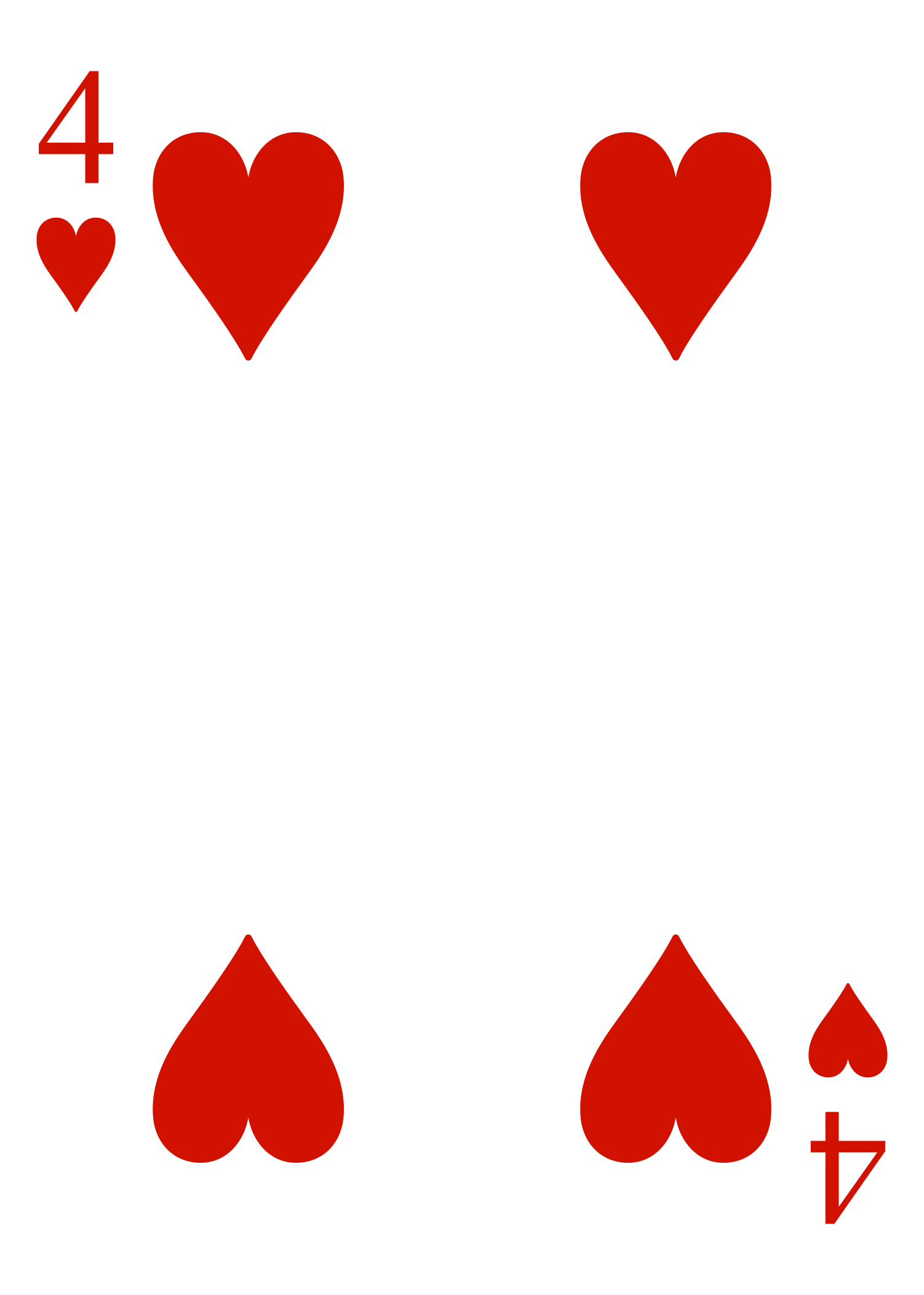
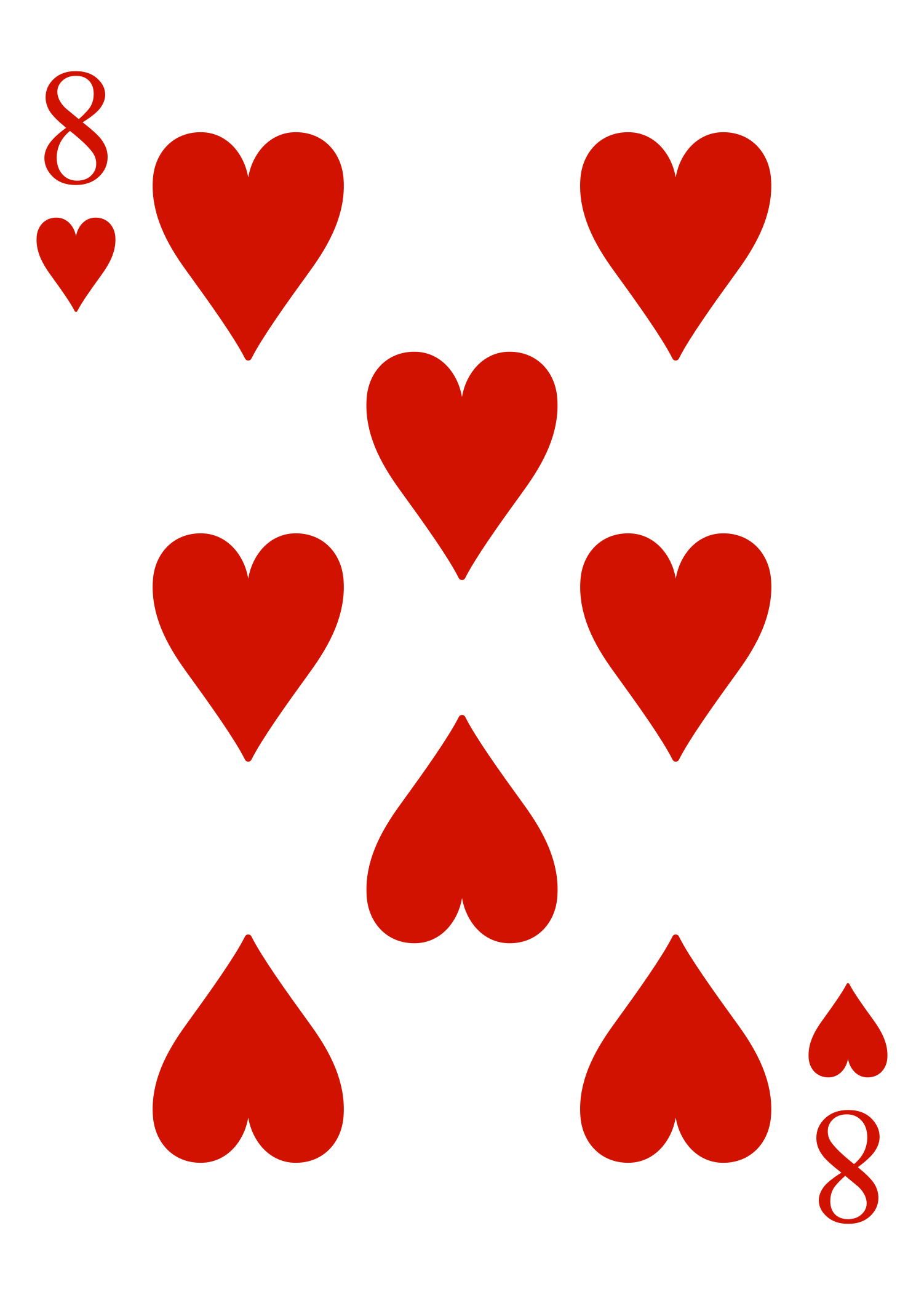
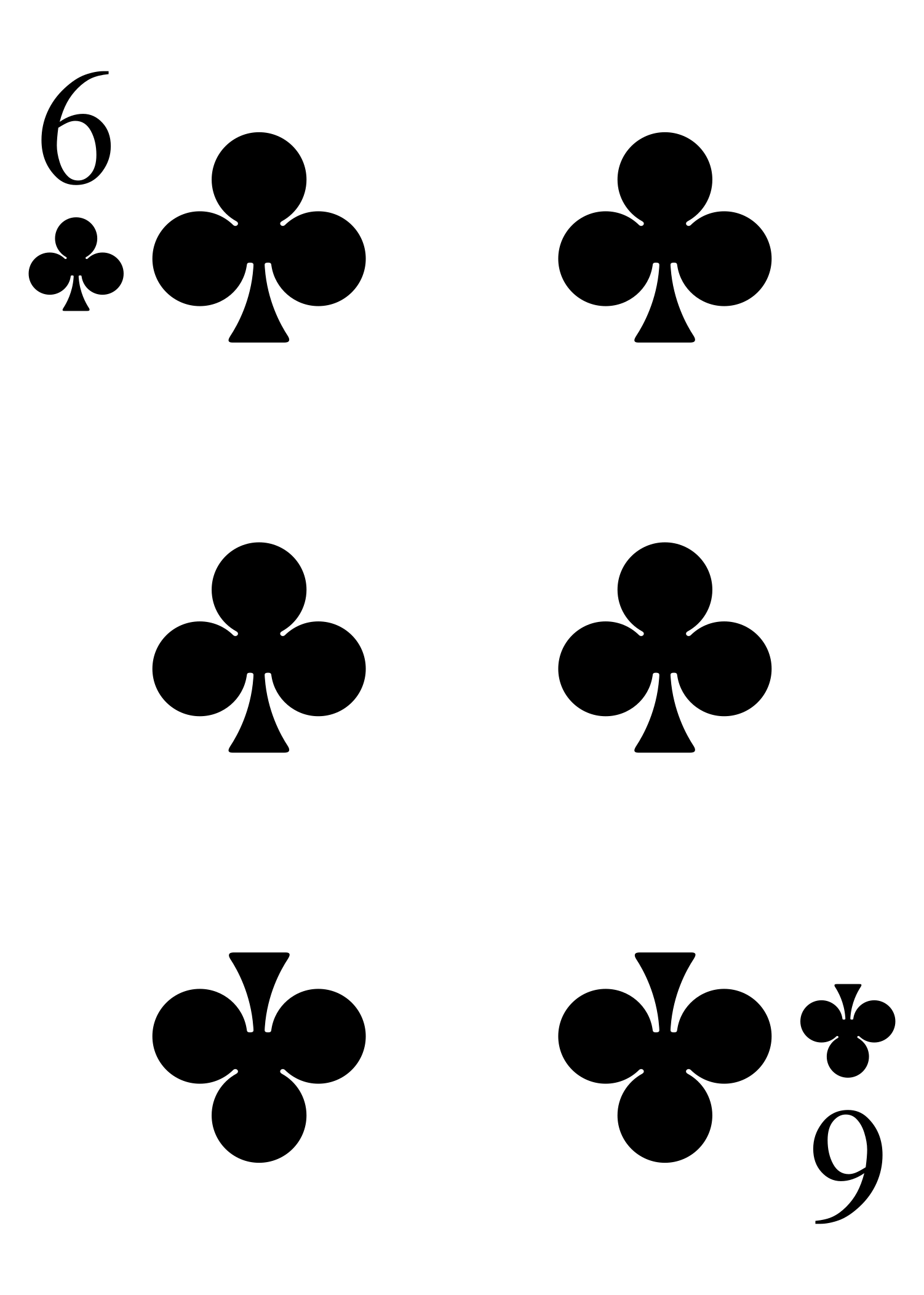
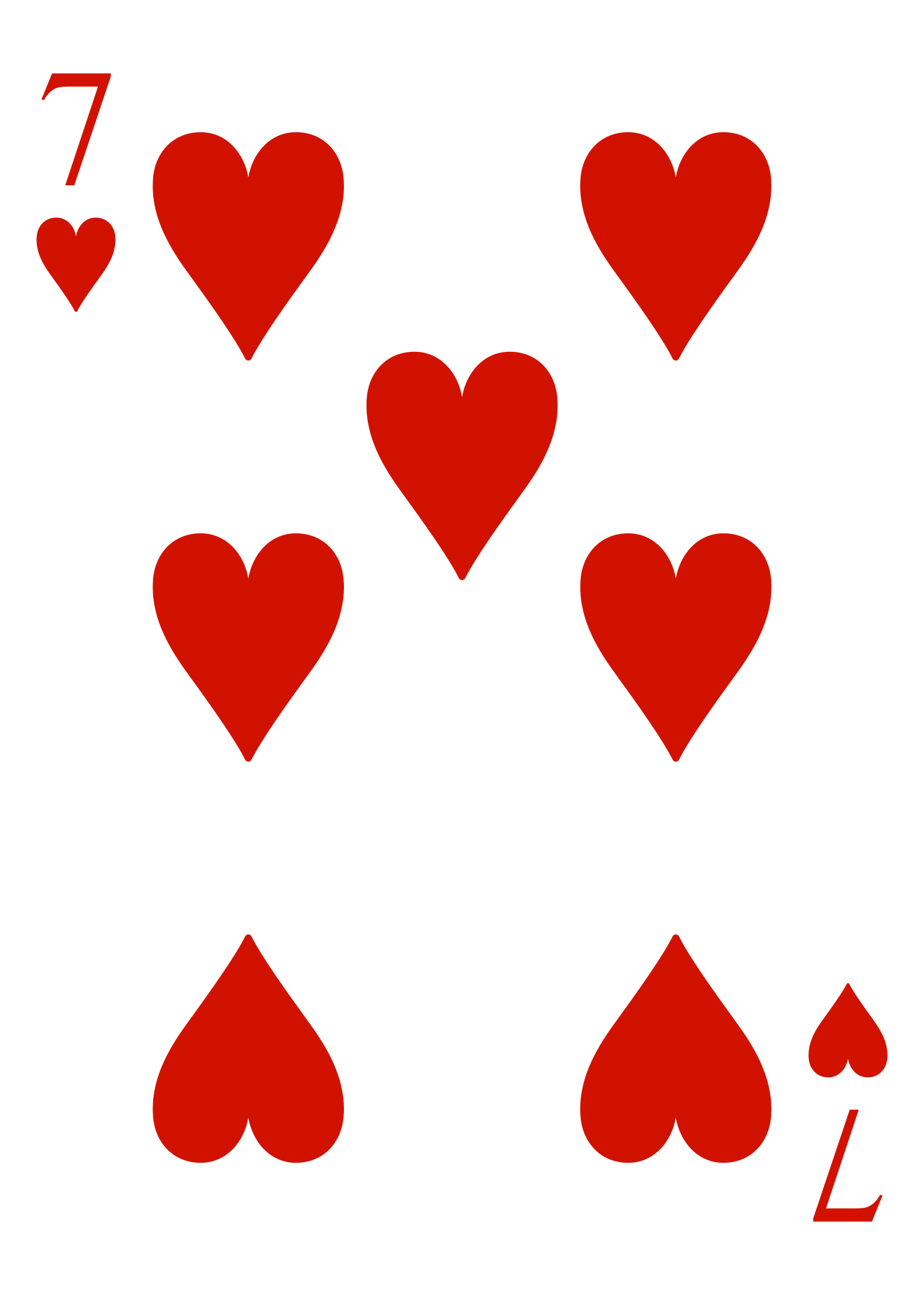
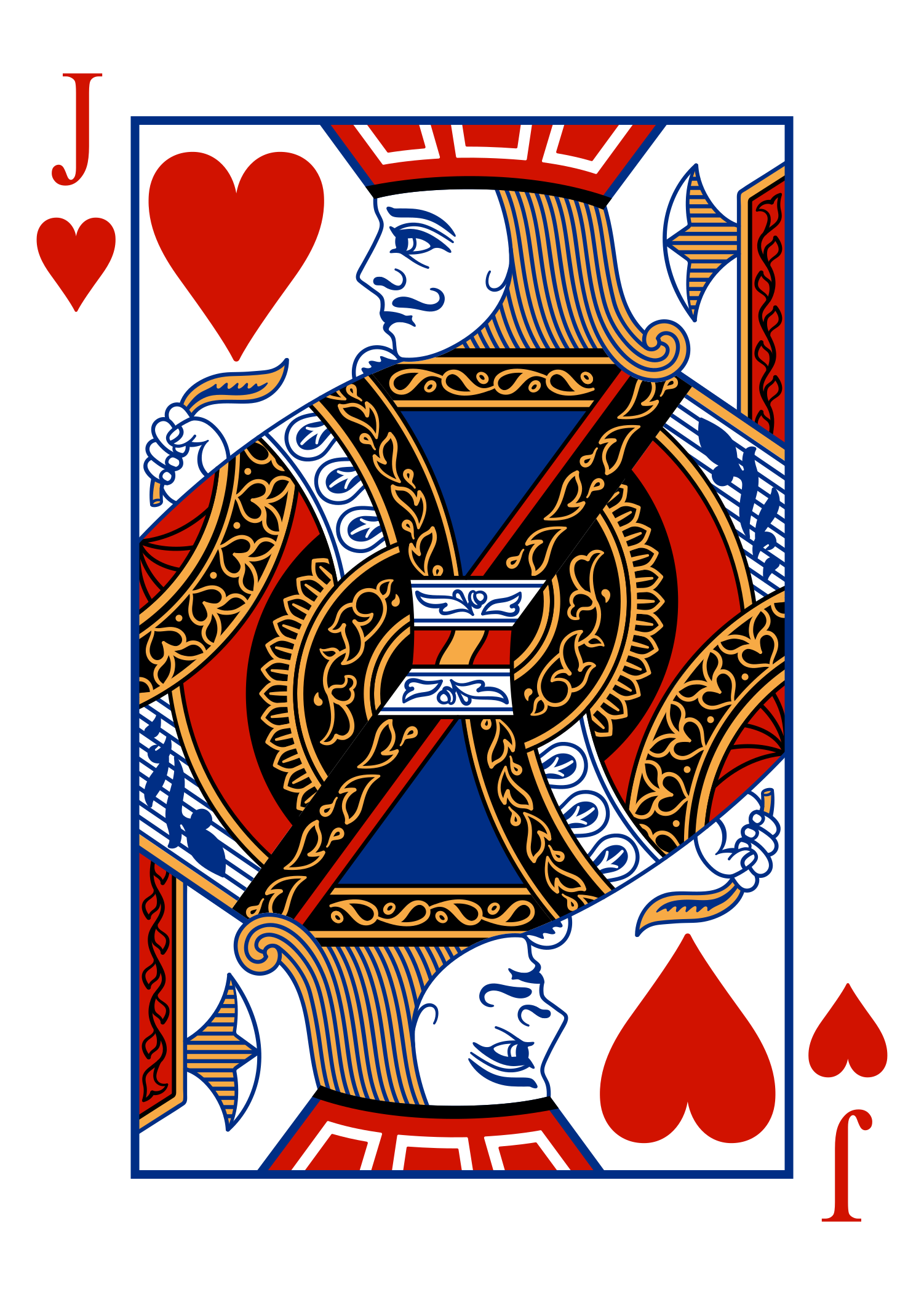
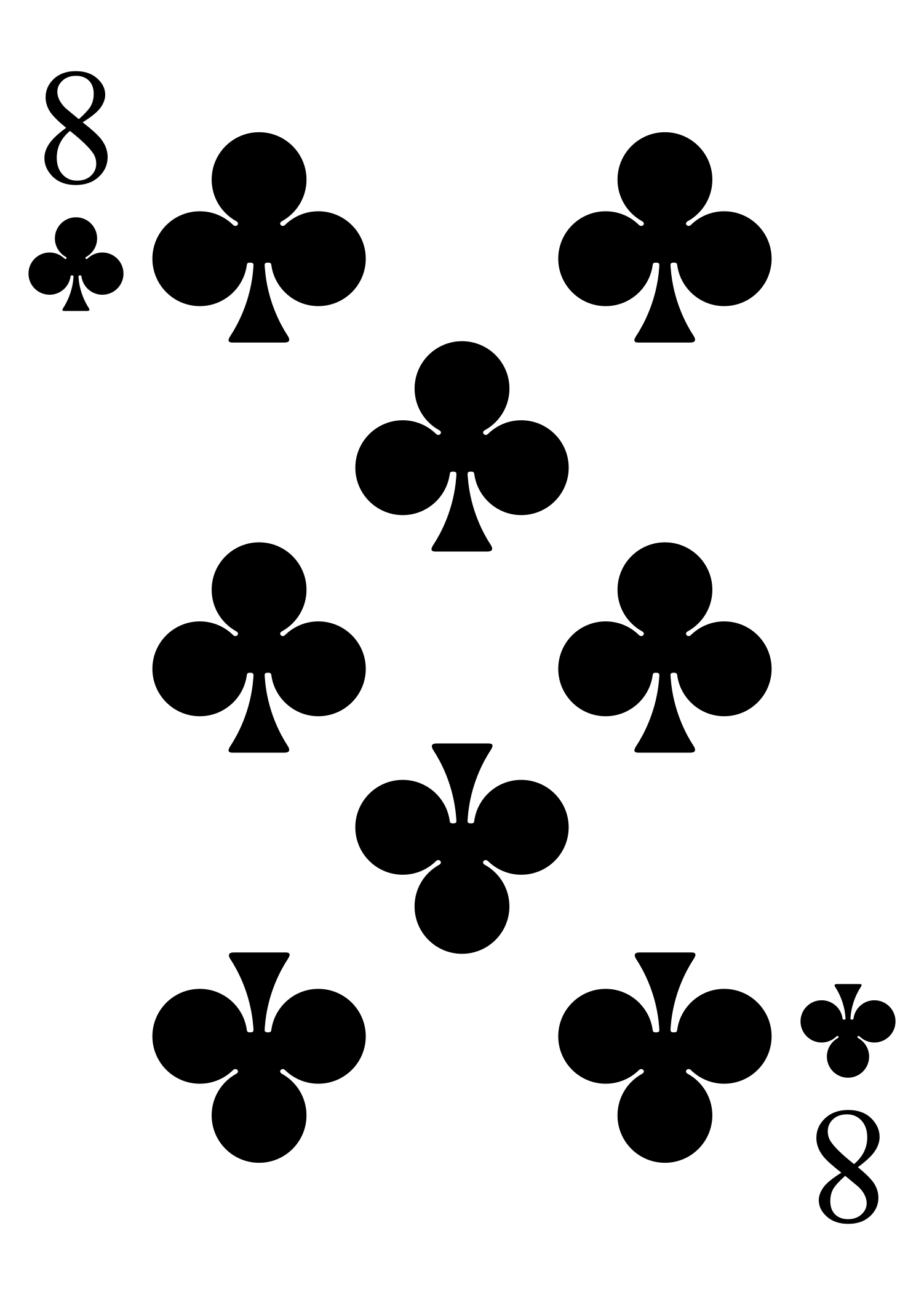
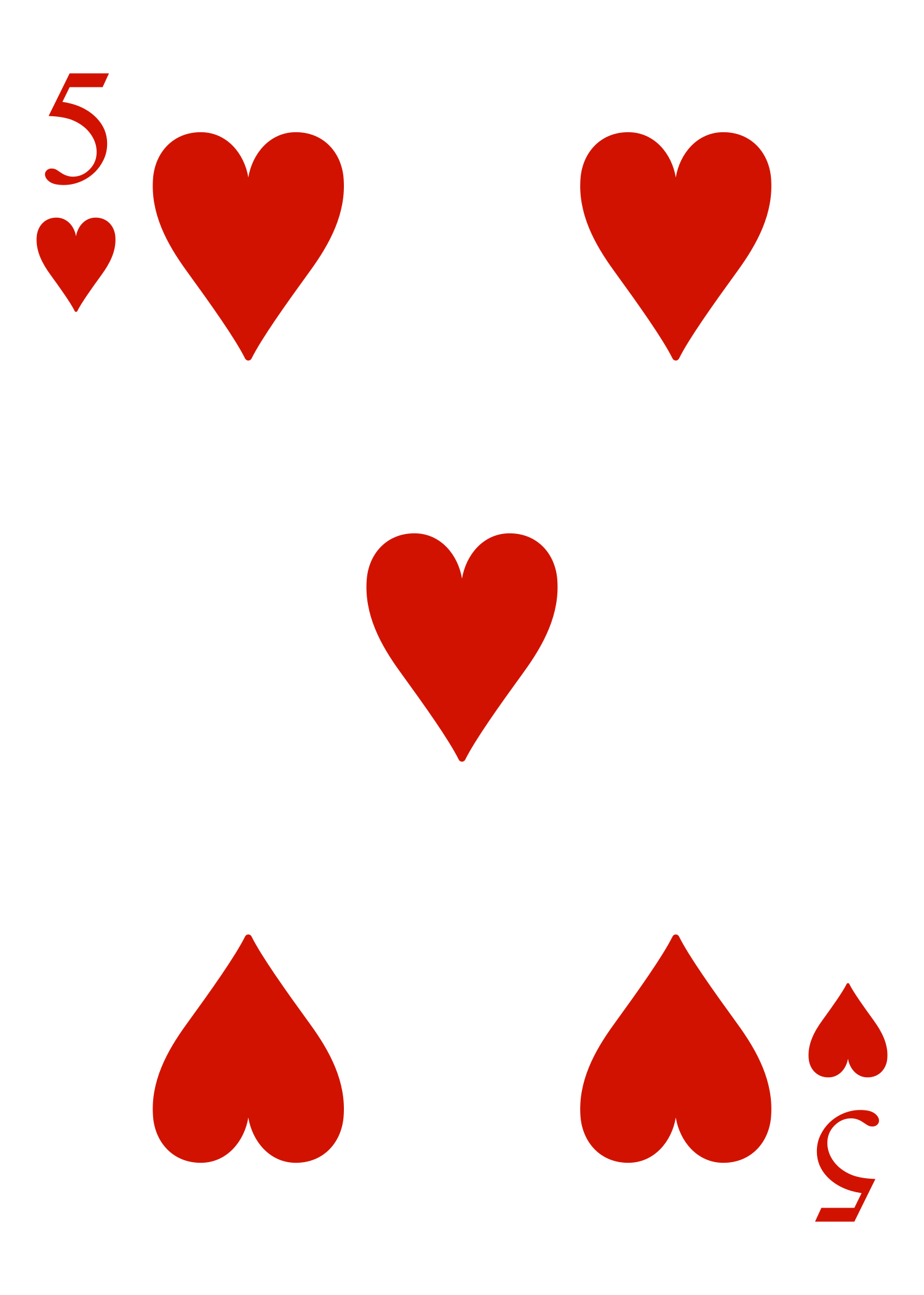
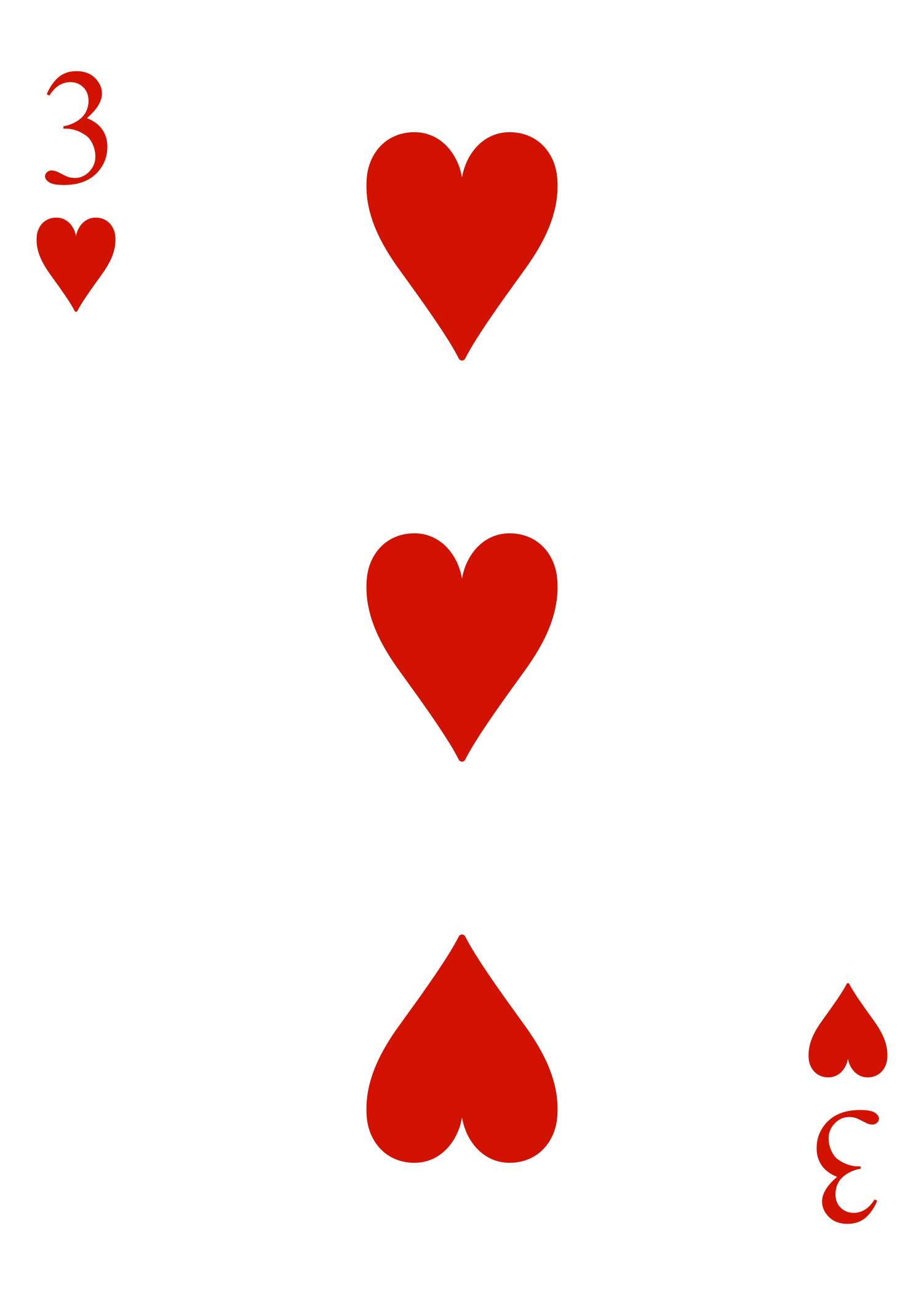
The five and six park in two free cells, the seven moves onto the red eight, and the parked cards restack in order.
| Empty free cells | No empty columns | 1 empty column | 2 empty columns |
|---|---|---|---|
| 0 free cells | 1 | 2 | 4 |
| 1 free cell | 2 | 4 | 8 |
| 2 free cells | 3 | 6 | 12 |
| 3 free cells | 4 | 8 | 16 |
| 4 free cells | 5 | 10 | 20 |
PLAN BEFORE YOU PARK
FreeCell Strategy & Tips
01Plan before you move+
Since every card is visible, FreeCell is a puzzle of perfect information. Before touching a card, take 10 seconds to scan the board for the four aces. Where are they? Which ones are already accessible? Which are buried, and how deeply? Aces are the gate to all foundation progress — every game plan starts from getting them out.
02Free cells are a scarce resource+
Your four free cells are not storage slots — they are short-term working memory. Every occupied cell reduces the number of cards you can shift in a single supermove. Two cells empty plus one empty column lets you move 6 cards. All four full and no empty columns drops you to 1 card at a time. That is the difference between a board you can solve and a board that has locked up. Treat every free cell placement as a cost. Before parking a card, ask: "where does this card come out again?" If there's no clear exit path to a tableau run or foundation within 2–3 moves, you are burning capacity.
03Empty columns are more valuable than free cells+
An empty tableau column is worth 2× a free cell when it comes to supermove capacity. The formula is (1 + free cells) × 2^(empty columns): one extra empty column multiplies your capacity, while one extra free cell only adds to it. This means clearing a column is one of the strongest plays in the game. If you see a short column you can consolidate into a longer run on another column, prioritize it — even if the move doesn't look flashy on its own, the compounding effect on your next 5 moves is enormous.
04Build descending-alternating runs+
When you're between foundation-ready cards, consolidate loose cards into long descending-alternating runs on the tableau. A single long run compresses more cards into one column, freeing up other columns — and runs can be supermoved as a group, turning 10 single clicks into 1. The ideal late-game position has all remaining cards arranged as clean King-down runs. From there, the auto-complete cascade finishes the game for you.
05Don't rush cards to foundations+
It is tempting to send every available card straight to the foundations. Don't. A 4 you send up too early can strand a 3 of the same suit that you needed as a tableau bridge. A good rule of thumb: a card is only "safe" to send to its foundation when both cards one rank below it (opposite color) are already on foundations, OR you have clear capacity to extract any stranded card that needed it. PlaySolitaire's auto-complete cascade won't fire until the board is truly safe to finish, so you can play aggressively in the late-game knowing the engine won't rip foundations up prematurely — but during the mid-game, think before you foundation.
06Expose, don't pile+
Every move you make should do at least one of: expose a buried card, free a free cell, or empty a column. A move that accomplishes none of those — say, shuffling a 6 from column A to column B when column A still has a King buried under more cards — is generally a mistake. Before each click, ask: "what does this move buy me?" If the answer is "nothing specific," you are probably about to lose tempo and should look for a different play.
07Use the Hint button, but sparingly+
PlaySolitaire's Hint button shows the best currently-available move — not the winning line. Lean on it to unstick when you genuinely can't see a move, but don't autopilot on it: the real learning happens when you find the move yourself and compare it to what the hint would have done.
08When to restart+
A tiny fraction of FreeCell deals are provably unsolvable. More commonly, you'll hit a position where the recovery line exists but isn't worth the re-plan overhead. If you've undone twice and still don't see a path forward, Restart (R) takes you back to the original deal with a fresh plan. No shame — you've already found the hard spots.
THREE FIXED LESSONS
Practice the moves that preserve space
Each board restarts to the same deal. First release an Ace, then make a three-card supermove, and finally inspect FreeCell’s famous impossible deal.
01Release an AceSend an Ace to a foundation.+


02Move a three-card runMove three cards in one supermove.+
03Study the exception#11982+
SOLVABLE IS NOT THE SAME AS EASY
FreeCell win rates
| Condition | Win rate |
|---|---|
| Winnable in principle — the original 32,000 deals | 31,999 of 32,000 (99.997%) |
| Winnable in principle — the modern 1,000,000-deal catalog | ≈99.999% |
| Actually won by players on this site (June 2026) | 11.1% |
CLEAR ANSWERS
FreeCell FAQ
Is every FreeCell deal winnable?
Almost. Nearly every standard FreeCell deal has a solution. In the classic Microsoft 1–32000 set, only deal #11982 proved unwinnable; later Microsoft/Windows catalogs include a few more unsolvable deals. PlaySolitaire supports Microsoft-numbered deals via /freecell?deal=N.
What makes a FreeCell deal unsolvable?
A deal is unsolvable when no sequence of legal moves reaches a full foundation state. The canonical unsolvable pattern is when a card is buried under every card you'd need to move to expose it — and you don't have enough free cells plus empty columns to break the cycle. The supermove formula (1 + free cells) × 2^(empty columns) caps how many cards you can shift at once, so some positions simply can't be unfolded.
How is FreeCell different from classic Solitaire?
Four big differences. First: no stock or waste pile — every card is visible from the start, so there's no luck of the draw. Second: four free cells serve as temporary single-card holding slots. Third: empty tableau columns accept any card in FreeCell, while classic Solitaire restricts them to Kings. Fourth: FreeCell rewards planning over pattern recognition; classic Solitaire rewards persistence.
How does a supermove work?
A supermove shifts a run of cards from one tableau column to another in a single click. The run must be a valid descending-alternating sequence on its own, and the number of cards cannot exceed (1 + empty free cells) × 2^(empty tableau columns). When moving onto an empty column, subtract one from the empty-column count because the destination itself can't serve as a helper.
Can I send cards back from foundations to the tableau?
Technically yes — PlaySolitaire's engine supports pulling a card off a foundation via undo. But it's almost always a mistake. The foundations are where cards retire. If you need a card back from a foundation mid-game, you've almost certainly misplayed earlier and should consider Restart instead.
Is the Hint button cheating?
The Hint button shows the best currently-available move as a highlight — it does not play the move for you, and it doesn't reveal the full solution path. Use it when you're genuinely stuck, but try to find the move yourself first. That's where the puzzle-solving satisfaction lives.
What is auto-complete and when does it fire?
PlaySolitaire's auto-complete is conservative — it only fires when the board can be fully finished using foundation moves alone. That means you keep full control during the mid-game; the cascade only takes over at the end, when every remaining decision is trivial. Undo interrupts the cascade cleanly.
How do I undo a move?
Click the Undo button in the controls toolbar, or press U on the keyboard. Undo walks backward through your move history — you can undo as many moves as you've made in this game. Undo doesn't decrement the move counter, but it does restore the exact prior board state.
Are there keyboard shortcuts?
Yes. U for Undo, H for Hint, R for Restart, and F for focused board mode.
Is FreeCell good for your brain?
There's no clinical study specific to FreeCell, but the game exercises working memory, planning, and opportunity-cost reasoning. Those are useful puzzle skills even if the long-term health benefit question is still open.
How do deal numbers work?
Open /freecell?deal=N, where N is a number from 1 to 1000000. The same number always deals the same board, which is useful for practice, sharing, and replaying difficult games.