Pyramid lesson · pairs, setup and strategy
How to Play Pyramid Solitaire
Pair exposed cards to make 13 and clear the pyramid. The arithmetic is simple; the real skill is choosing the pair that opens the best cards. See every pairing, learn the rules, then try a solver-verified practice deal.
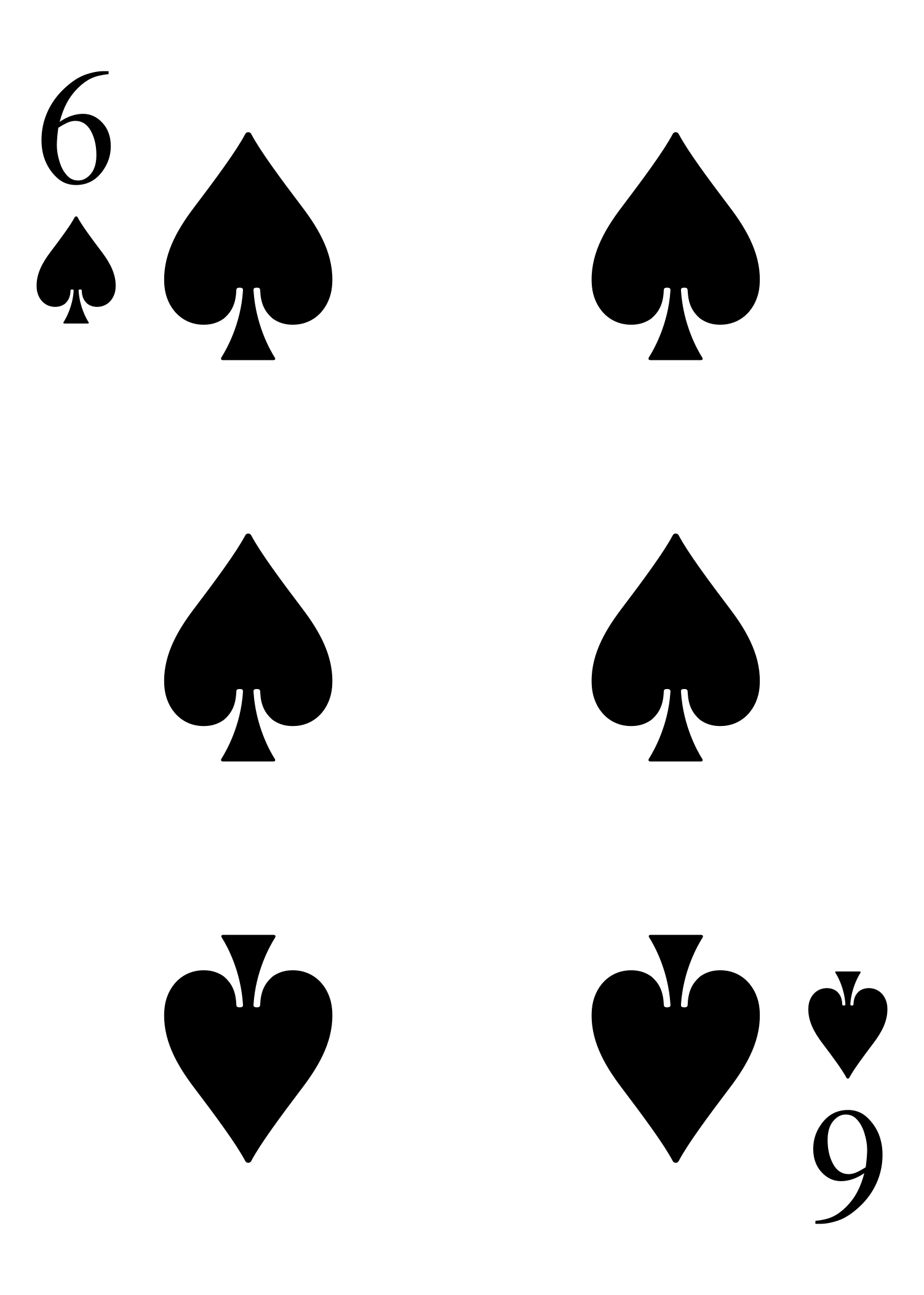 +
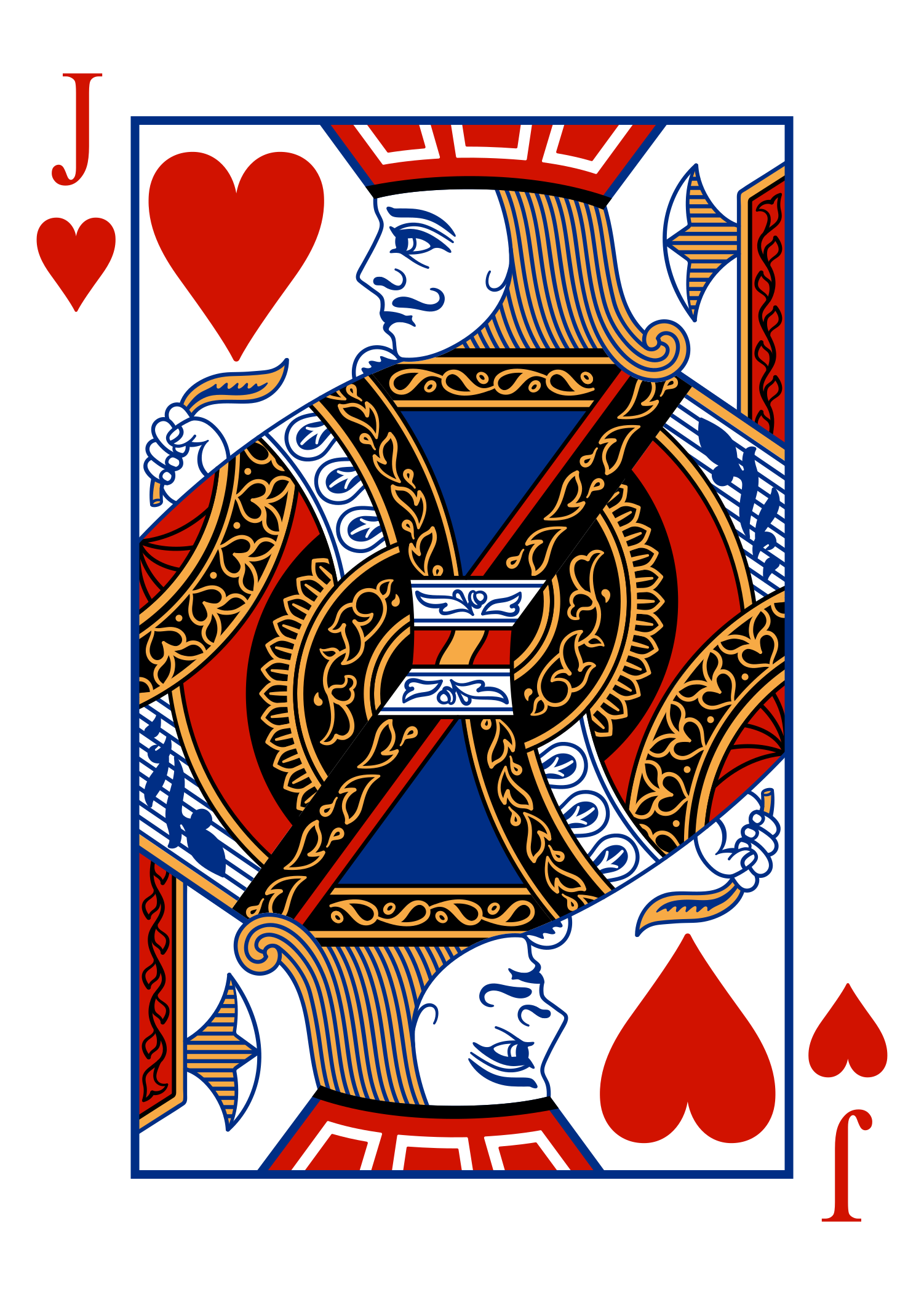
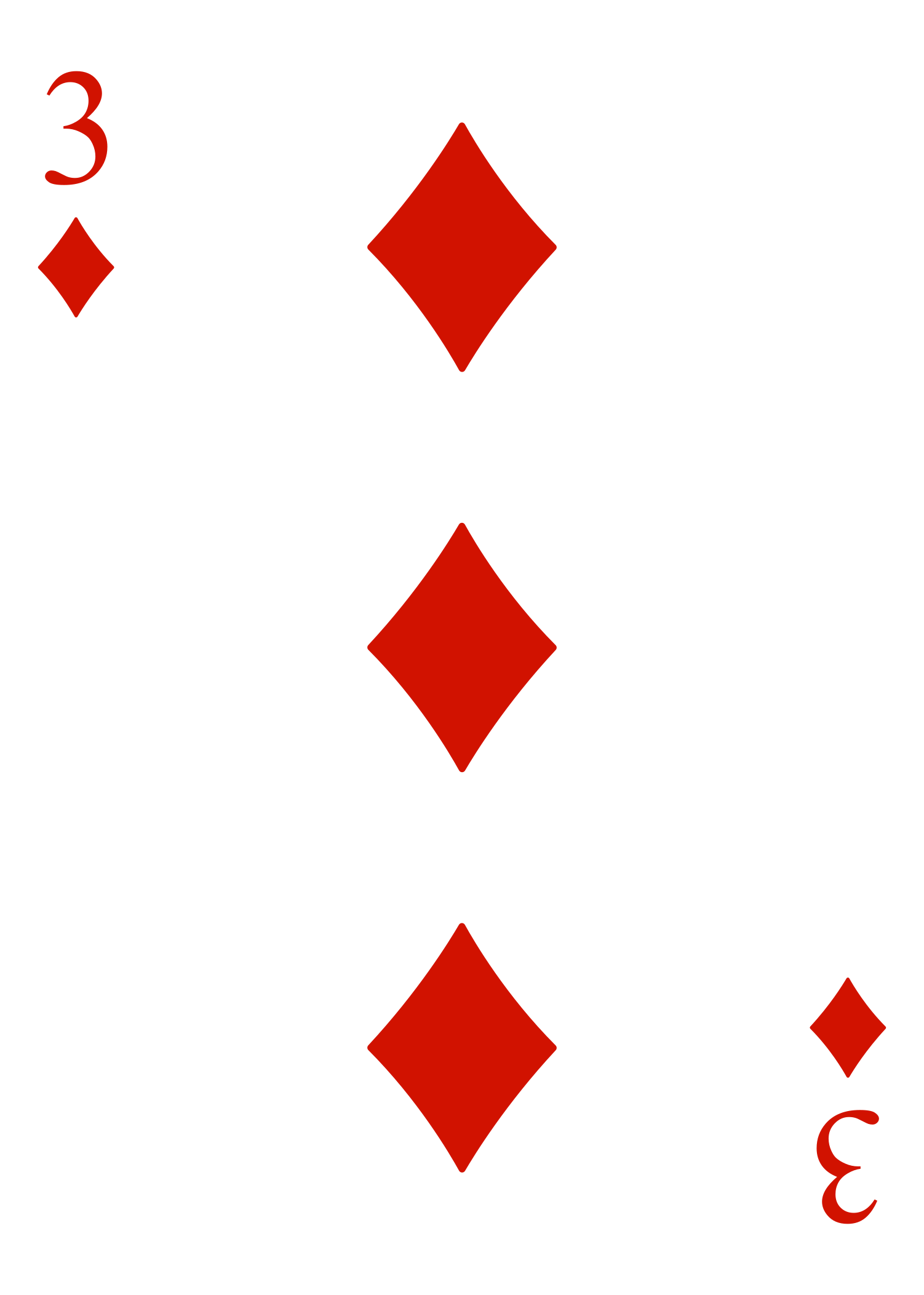
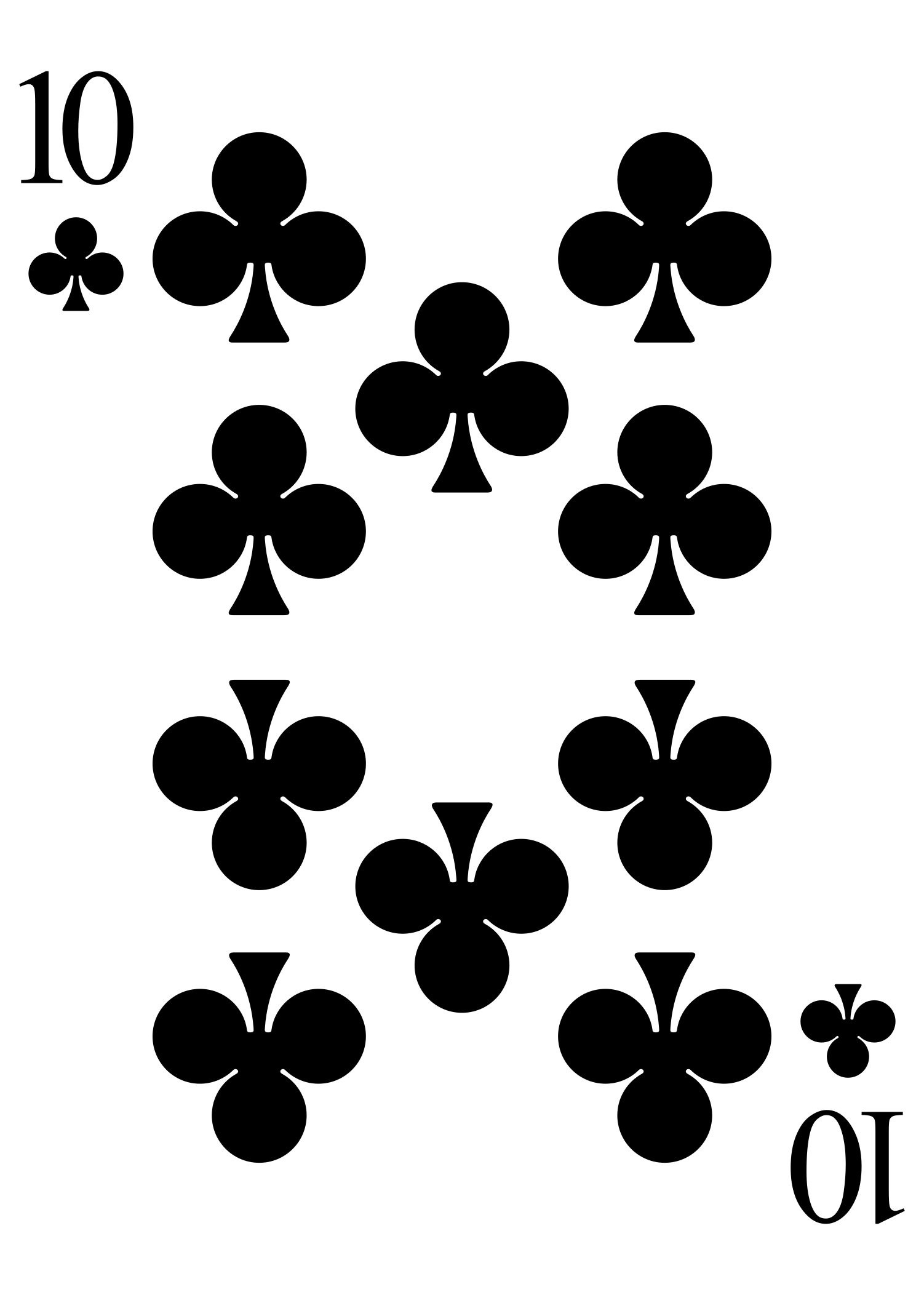
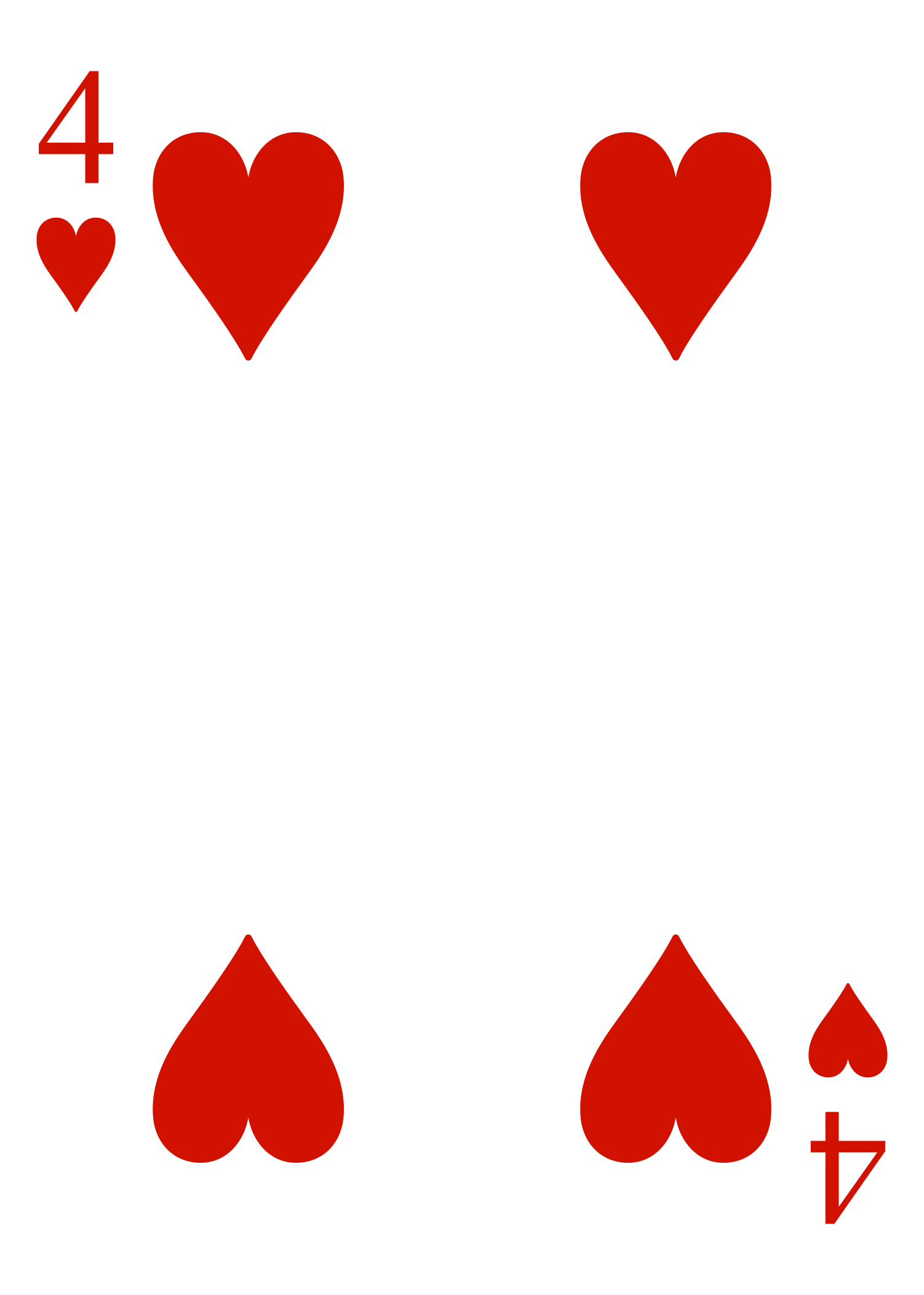
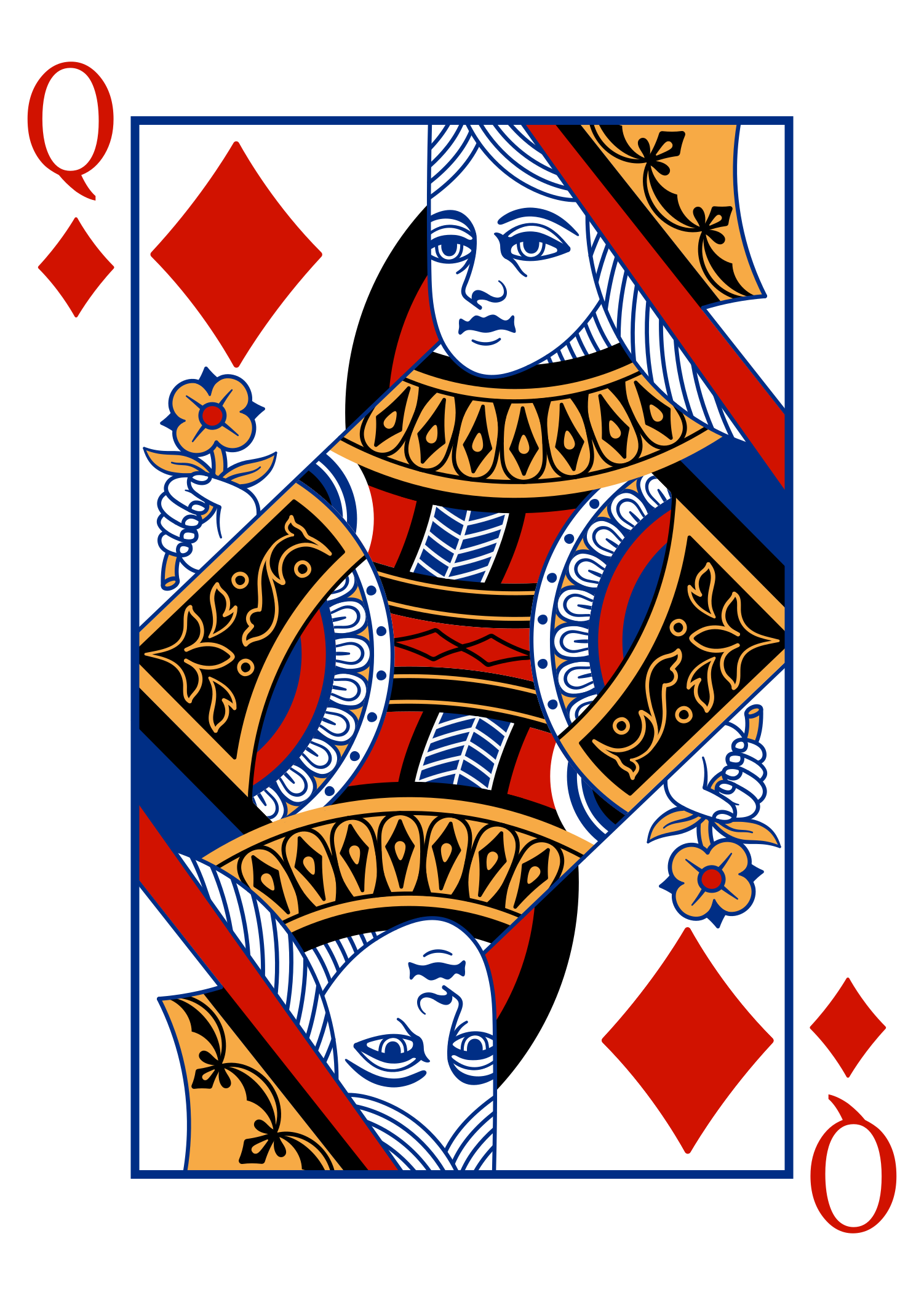
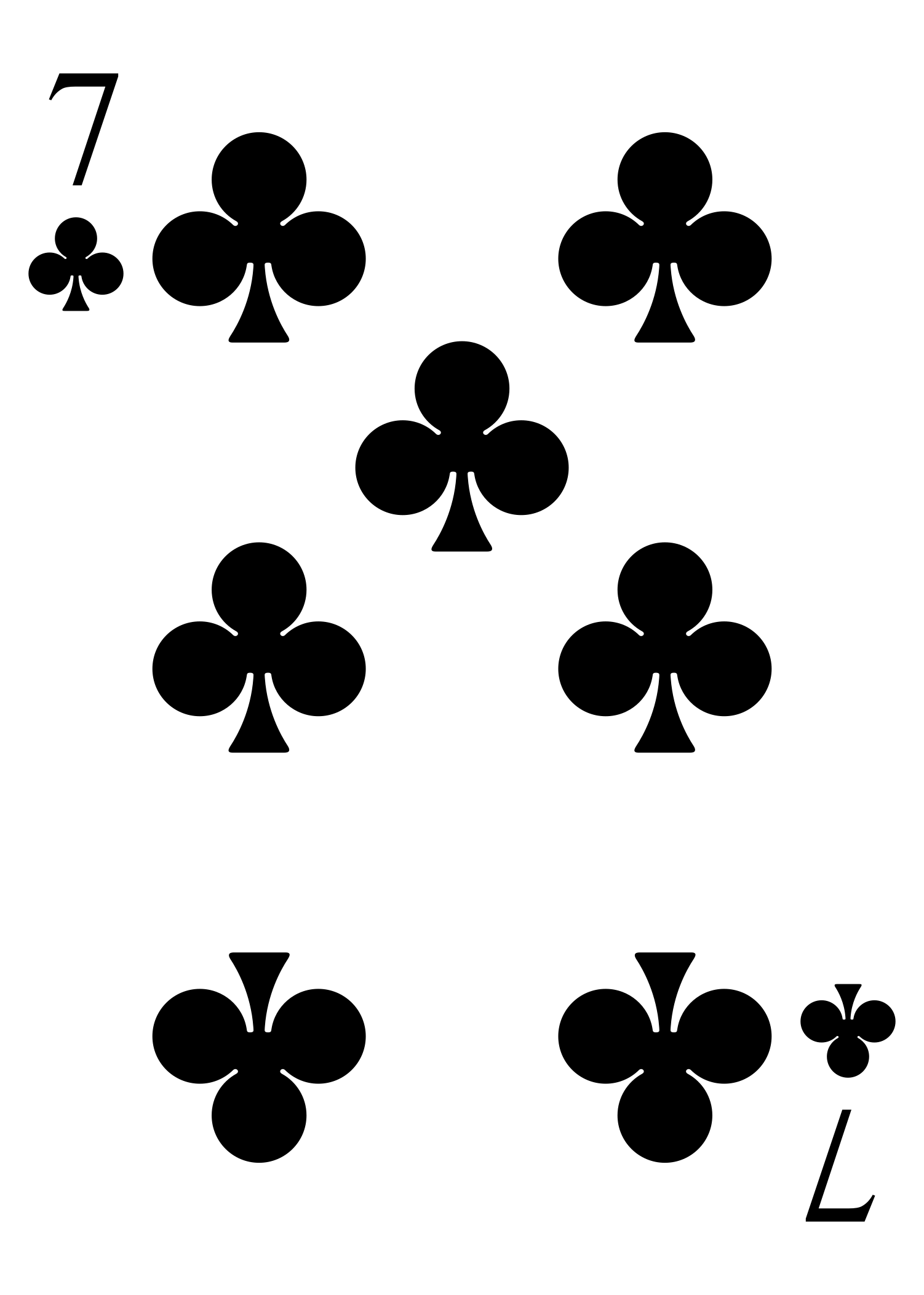
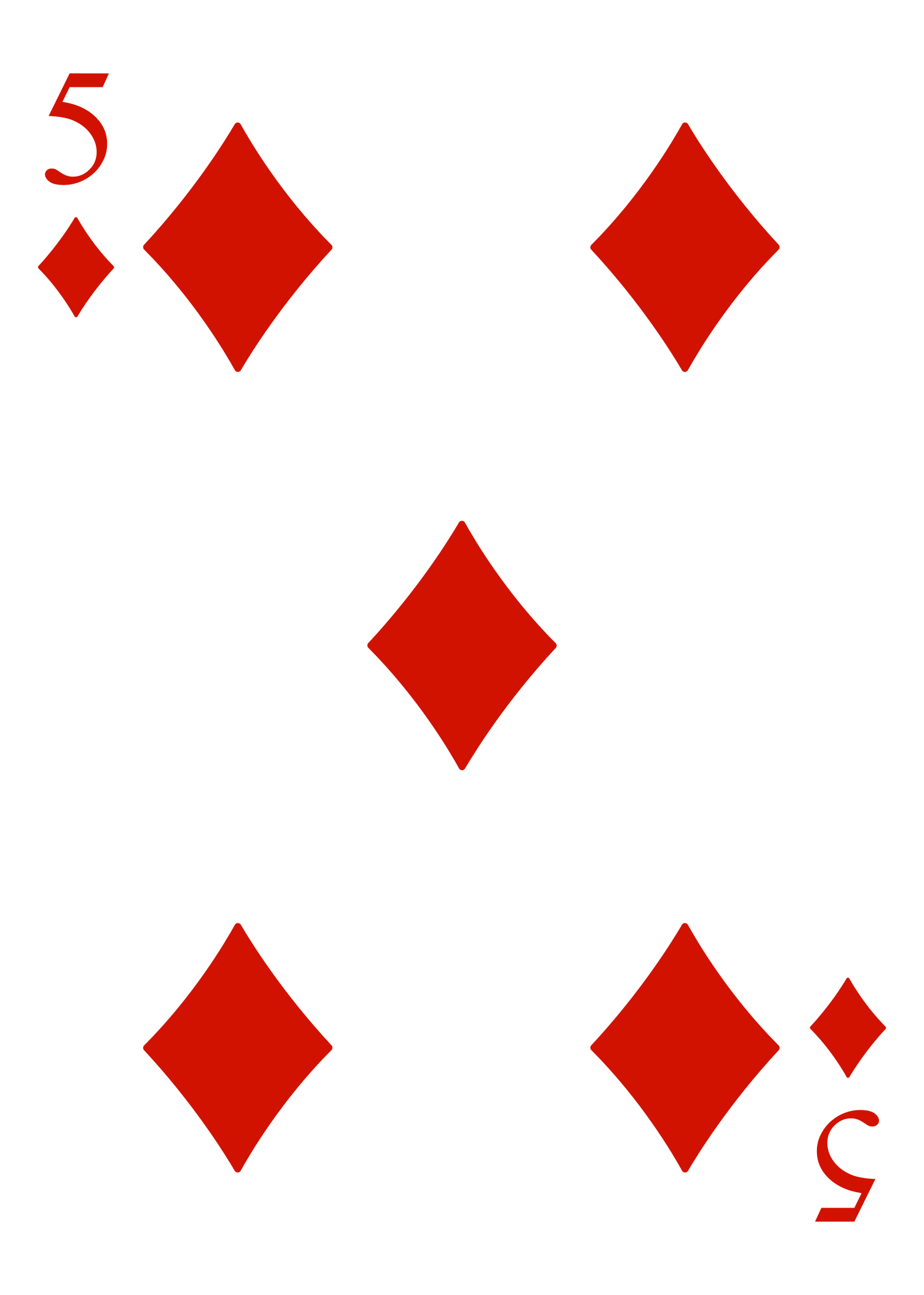
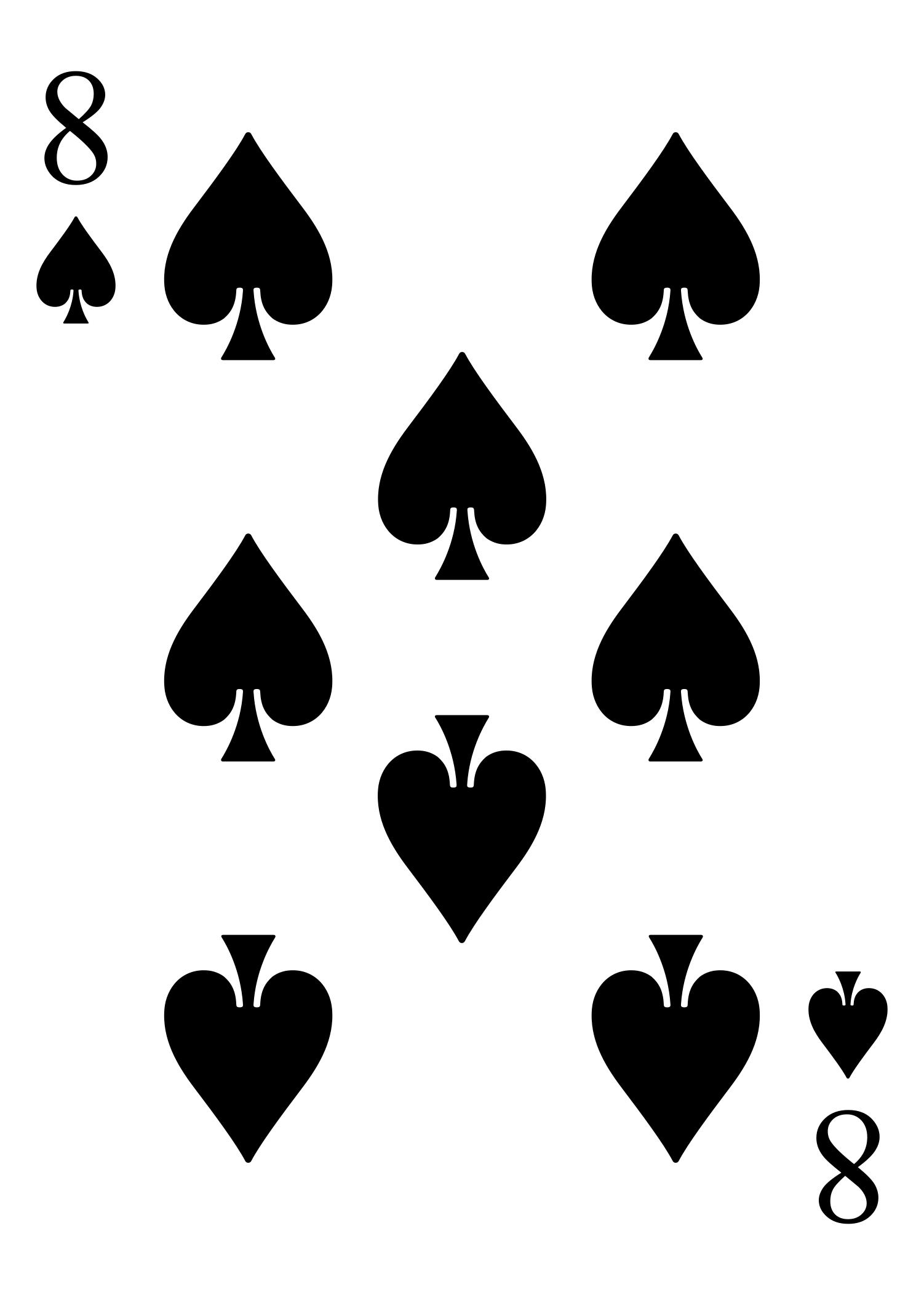
+ 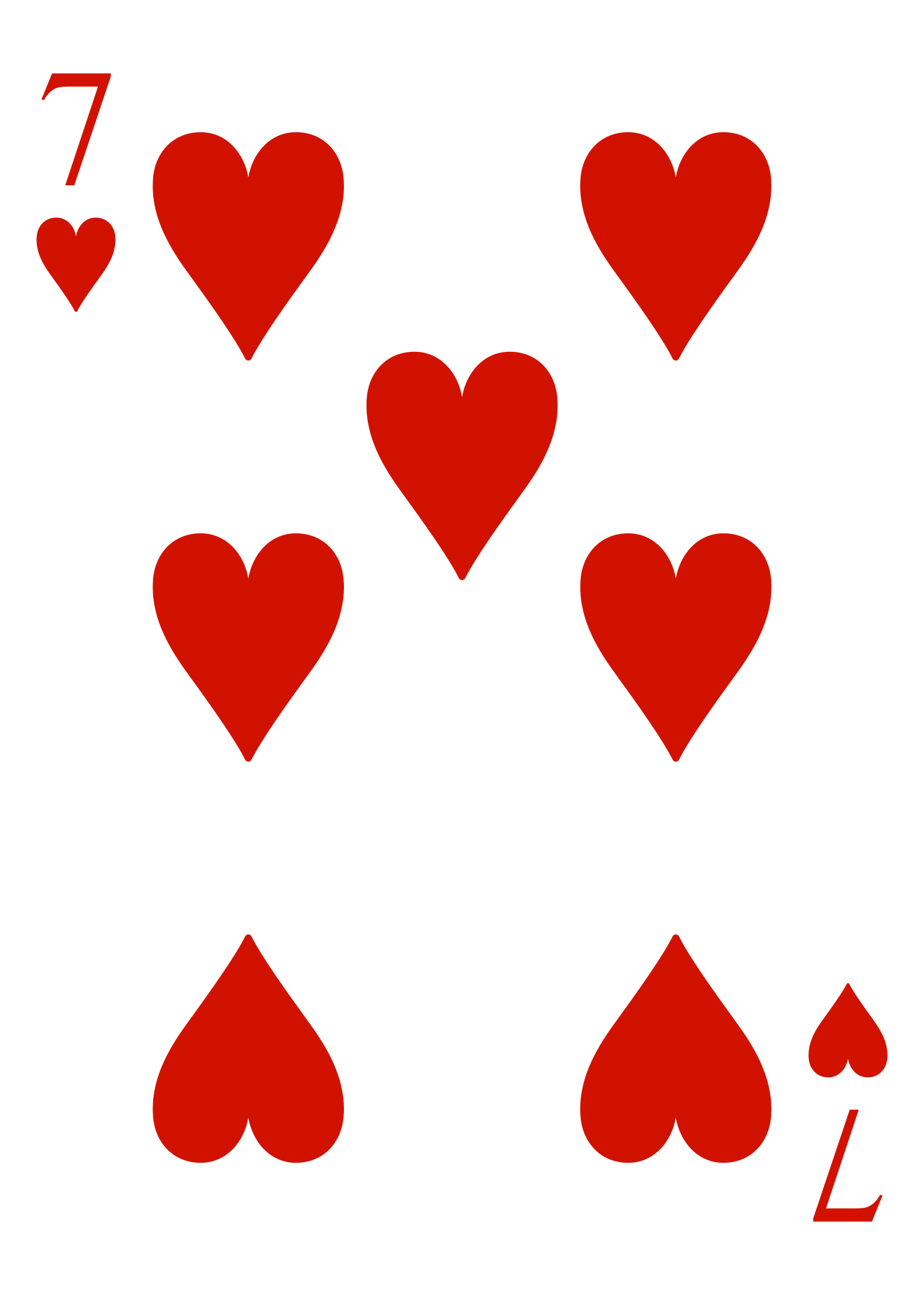 = 13
= 13 By the end: you will know every legal pair, how the 28-card pyramid is dealt, and how to look past an obvious move to the cards it uncovers.
- Pairs total 13
- Kings leave alone
- Only uncovered cards play
- Guided deal #38
Updated July 2026
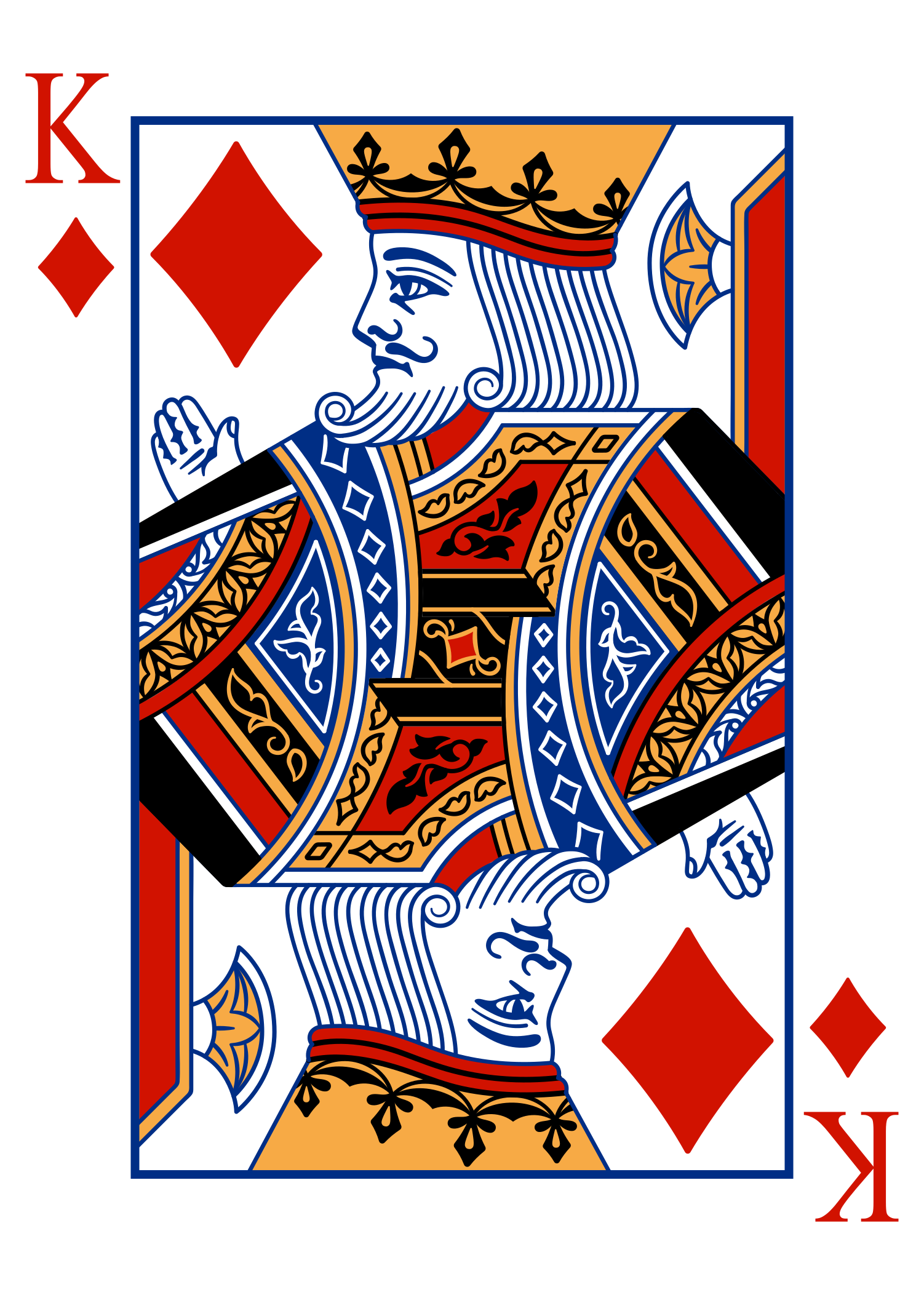
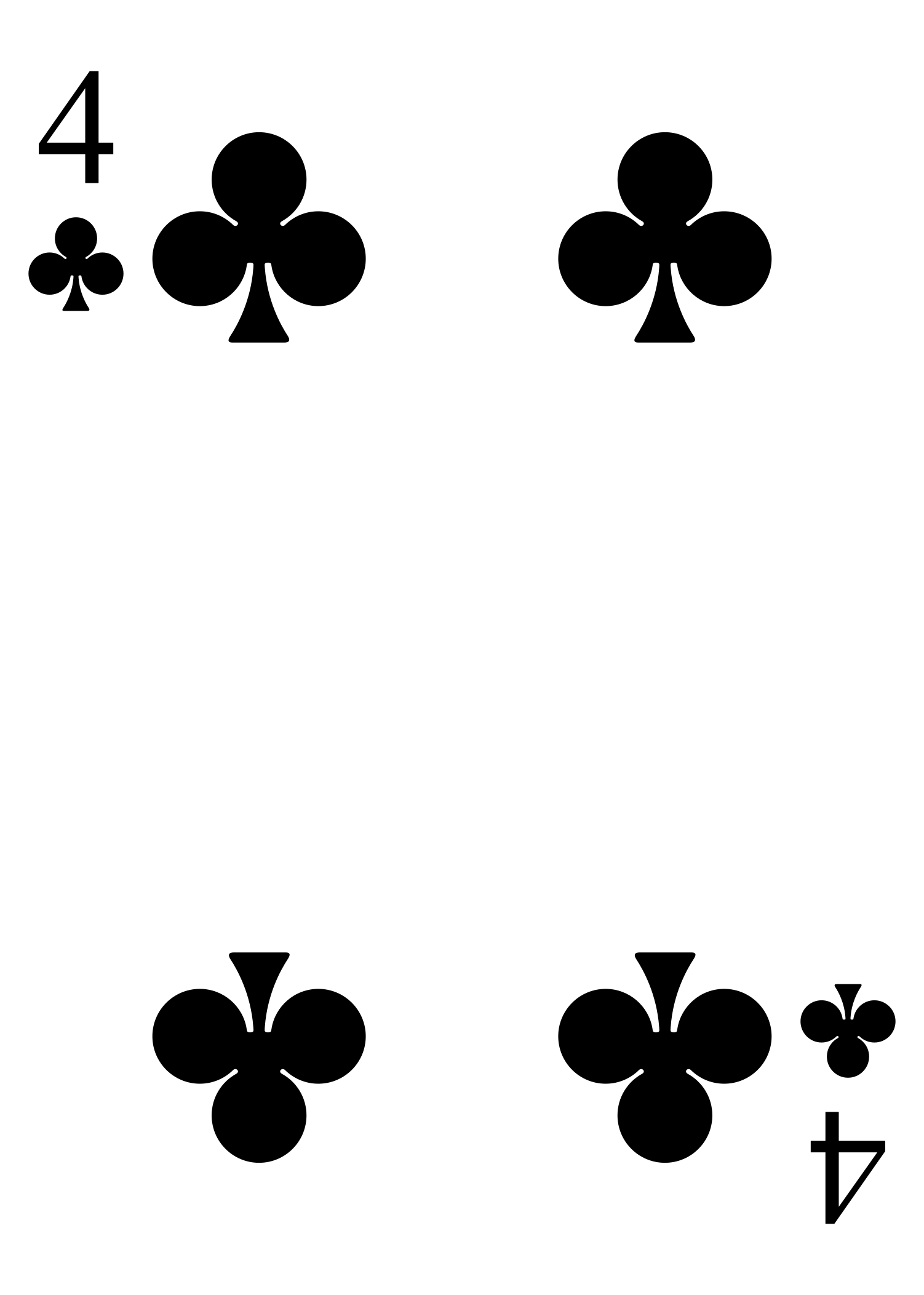


Learn Pyramid Solitaire in 100 seconds: the pairs that make 13
The seven-row deal, the pairs-to-13 rule, the pairs worth memorizing, and five habits that clear more pyramids. Full written rules follow below.
In this video
The goal: pairs that make 13
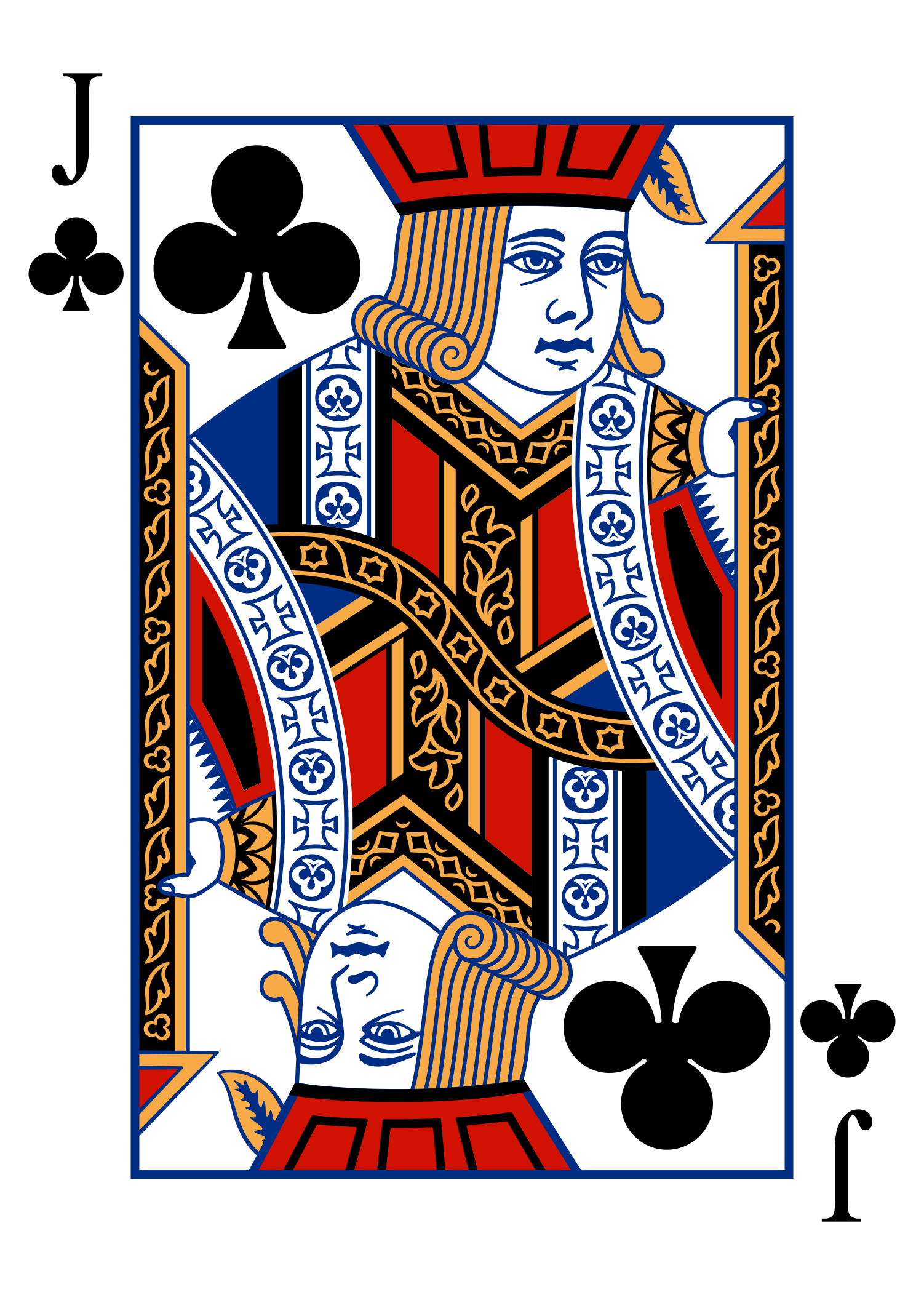
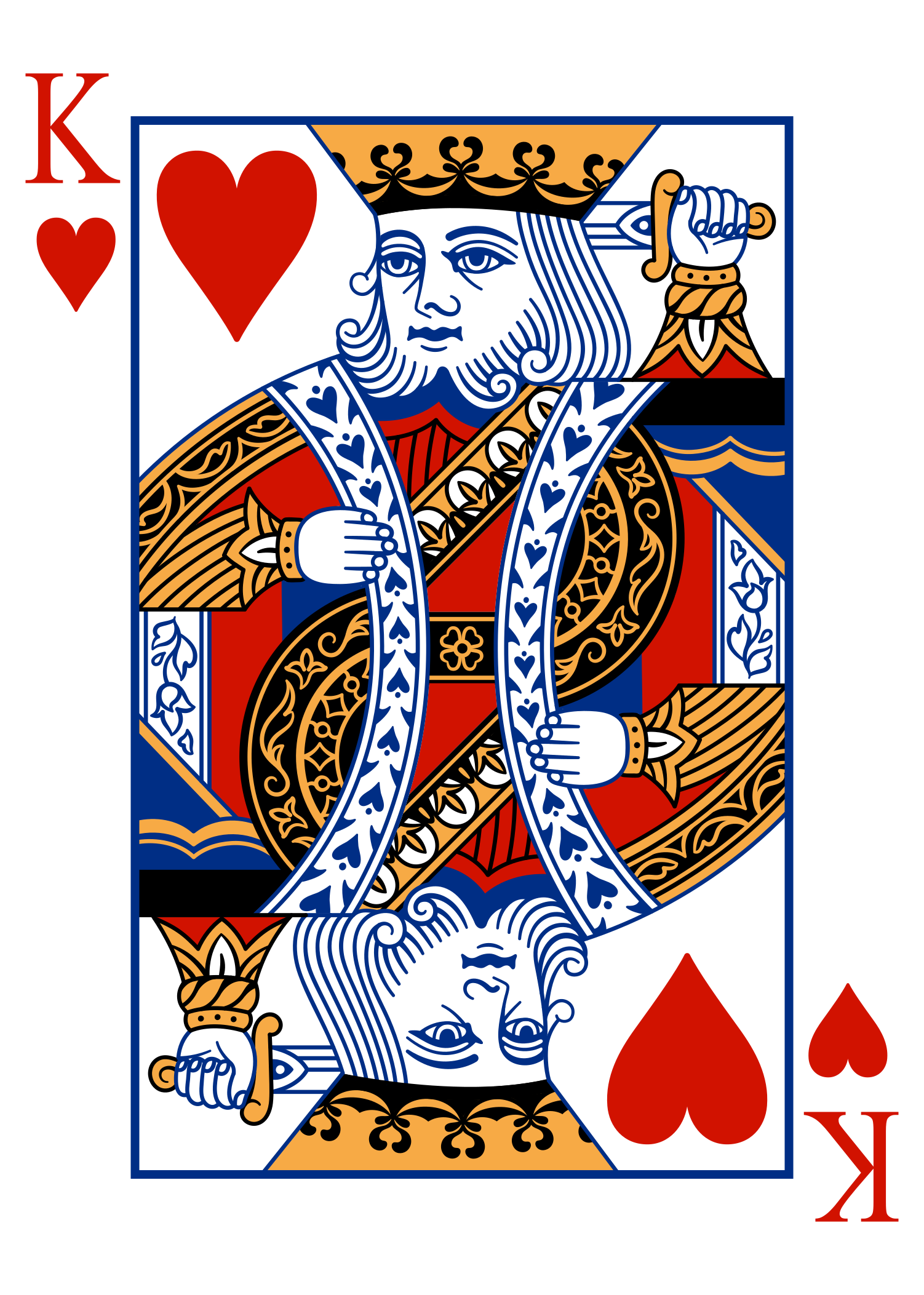
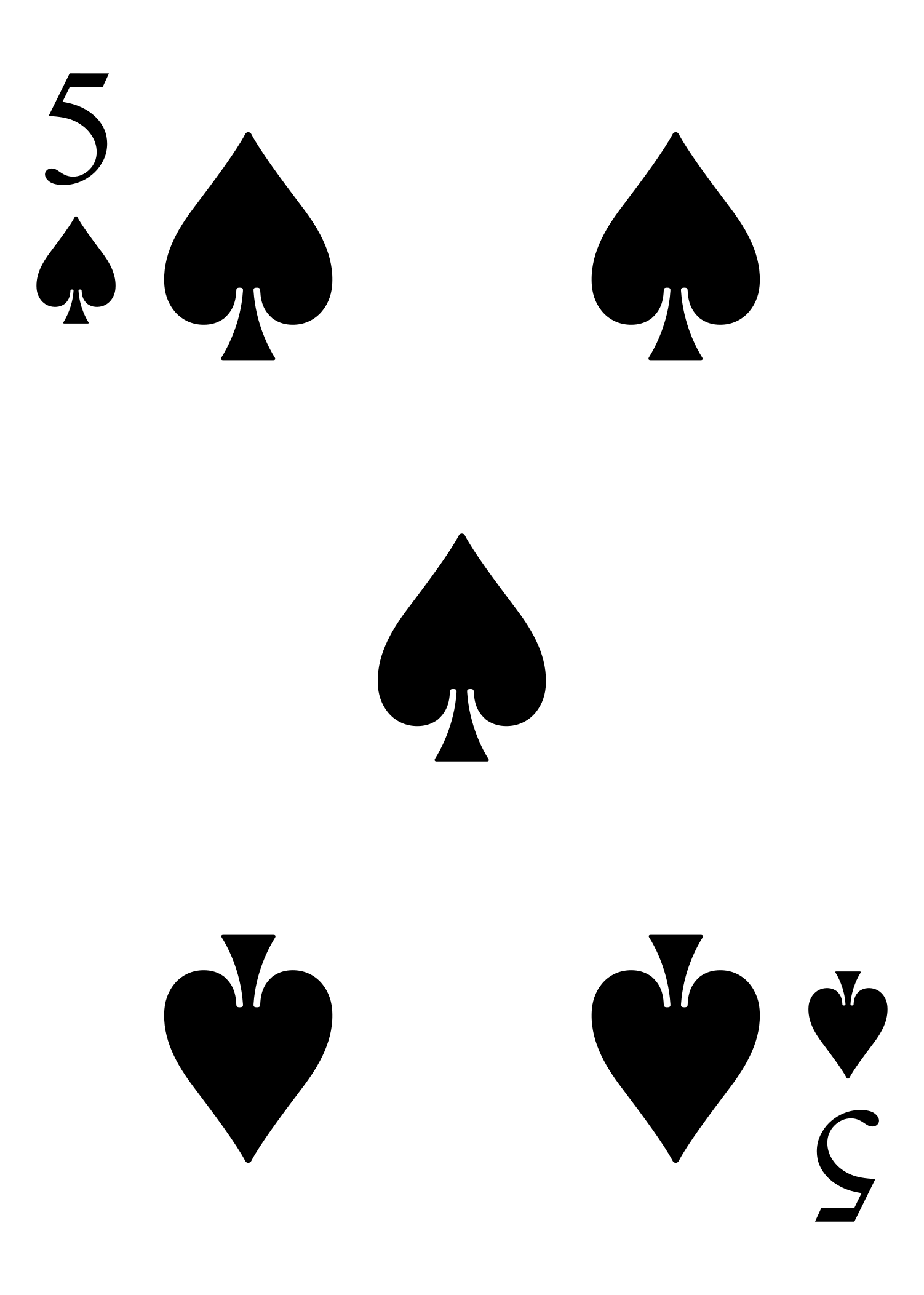
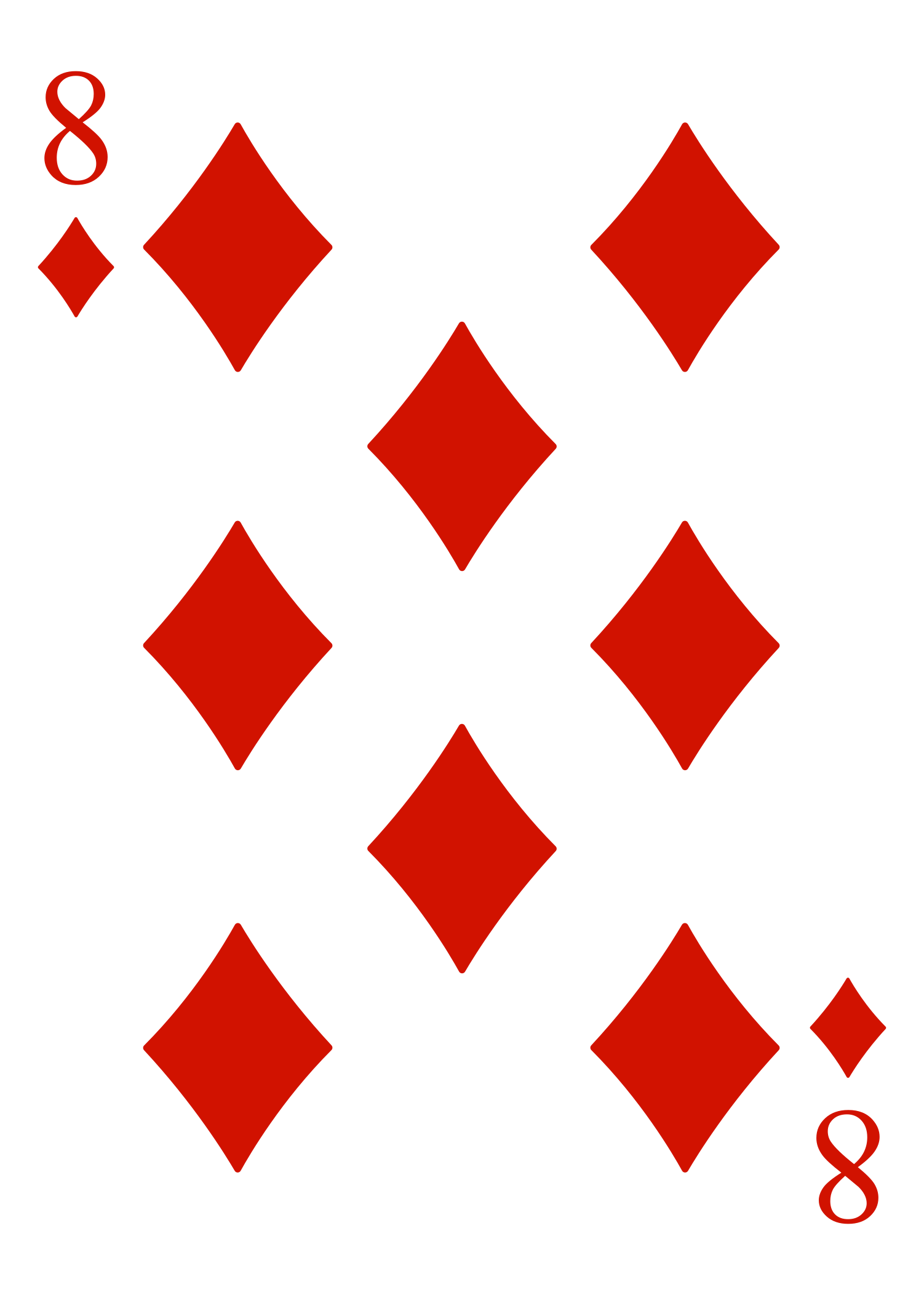
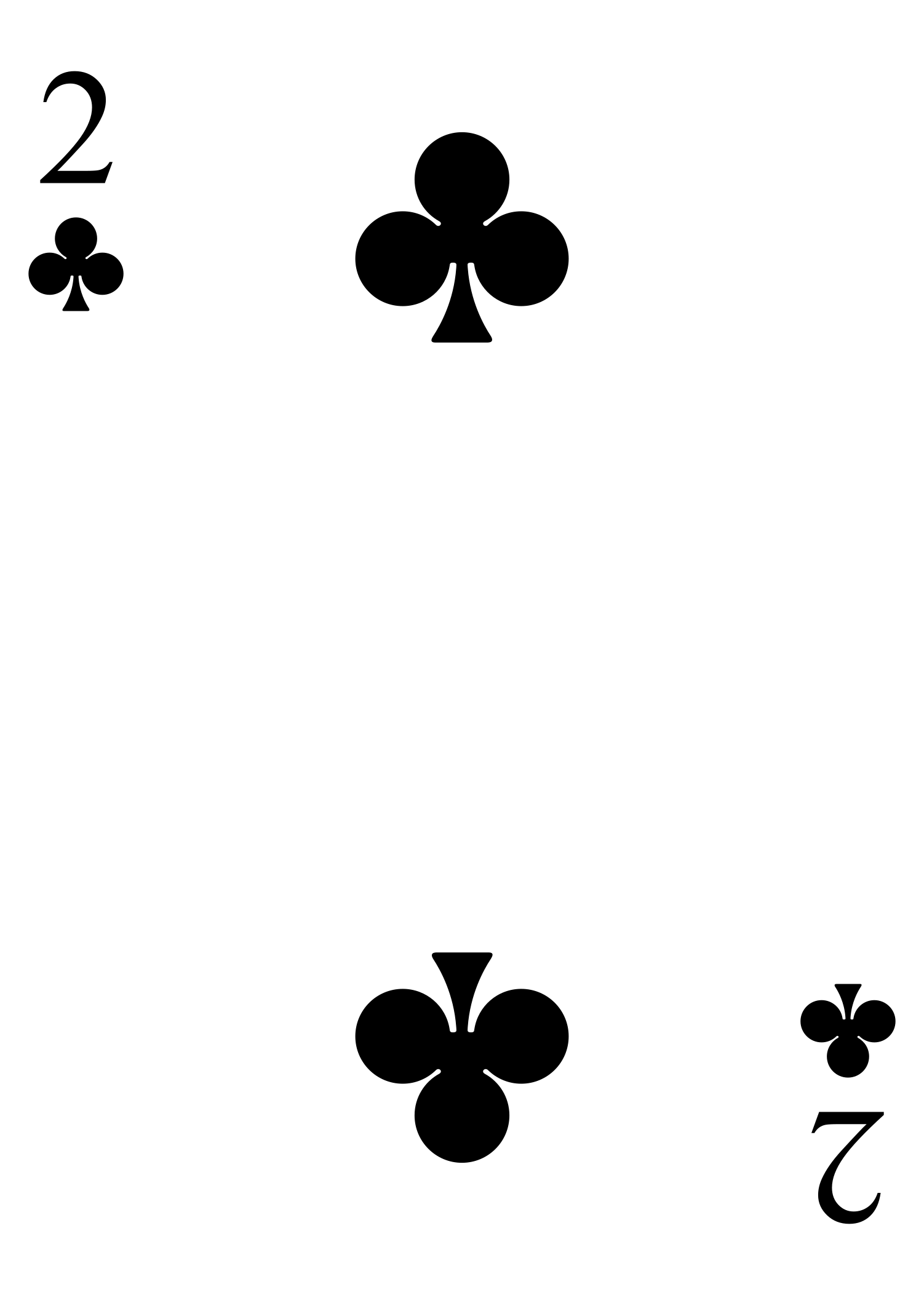
Every legal pair is shown below. Suits and colors do not matter.

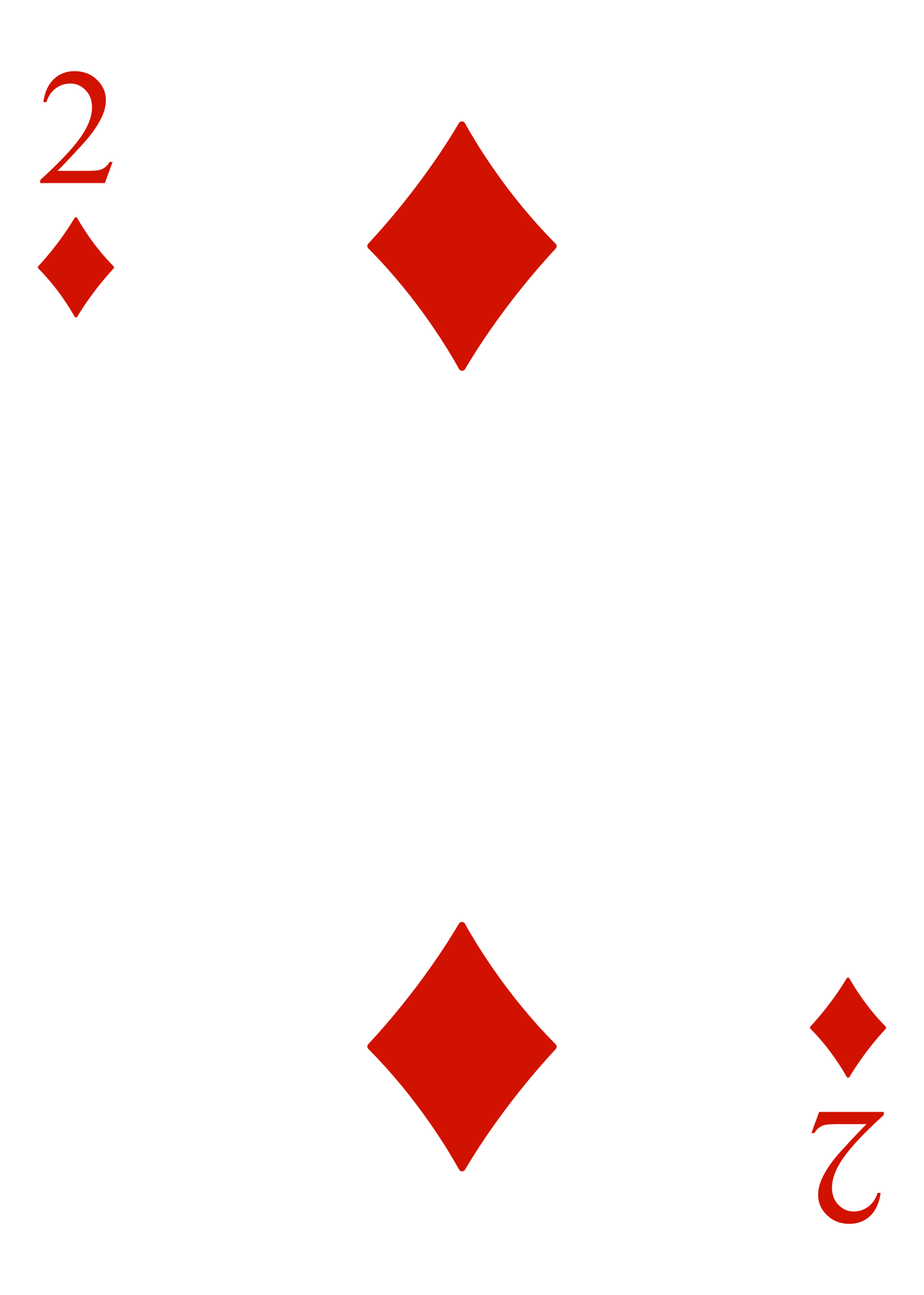
 = 13
= 13 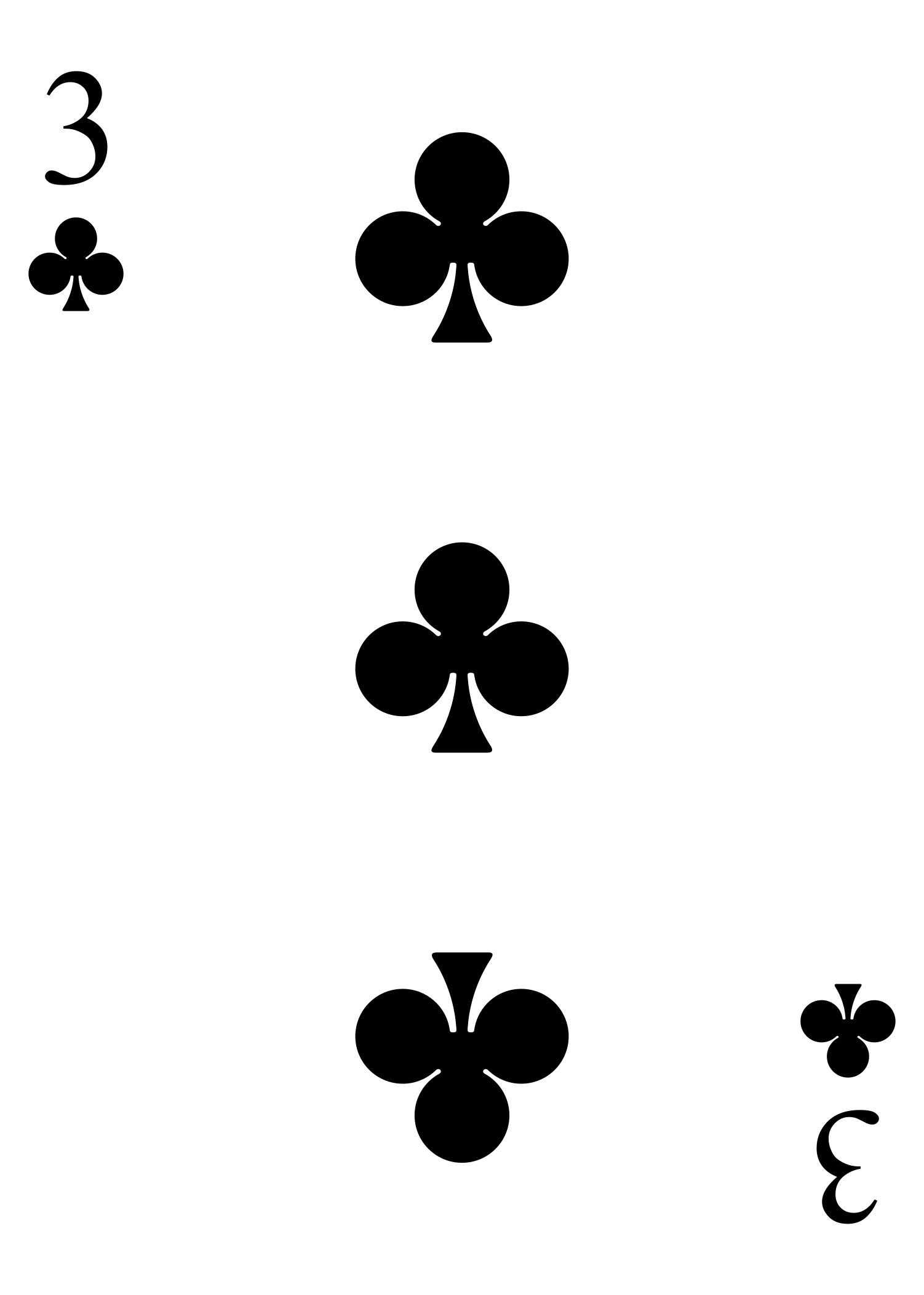
 = 13
= 13 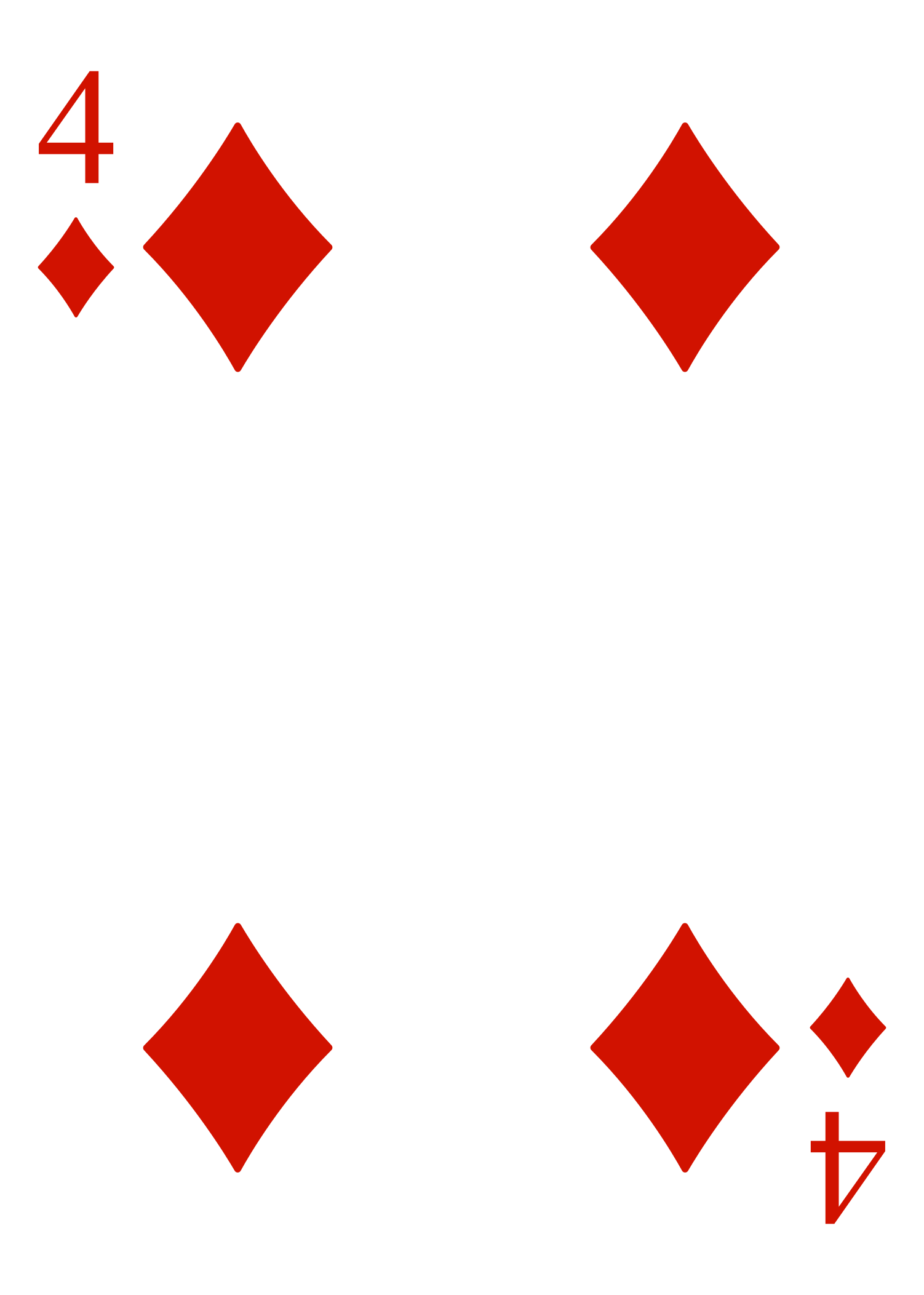
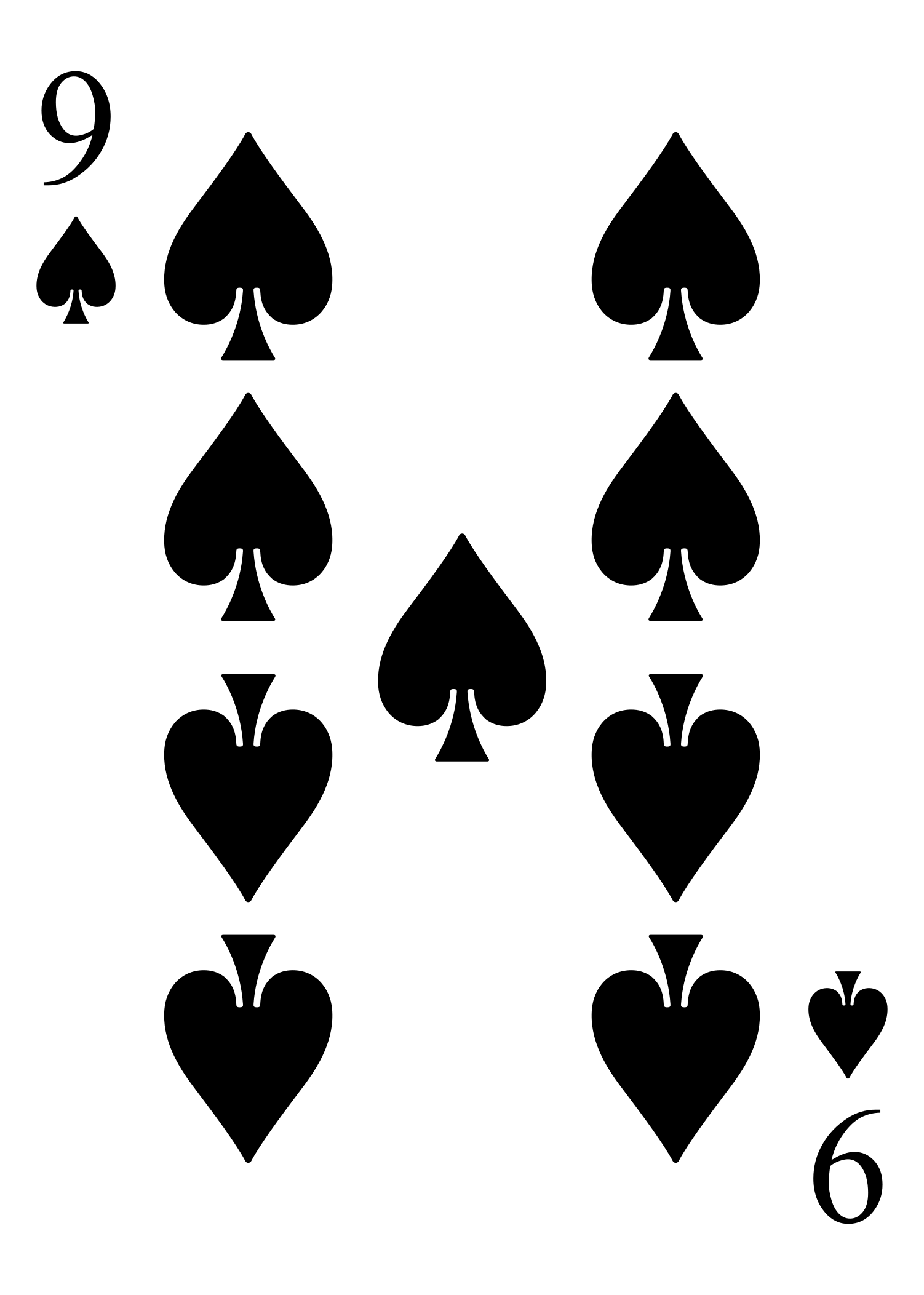 = 13
= 13 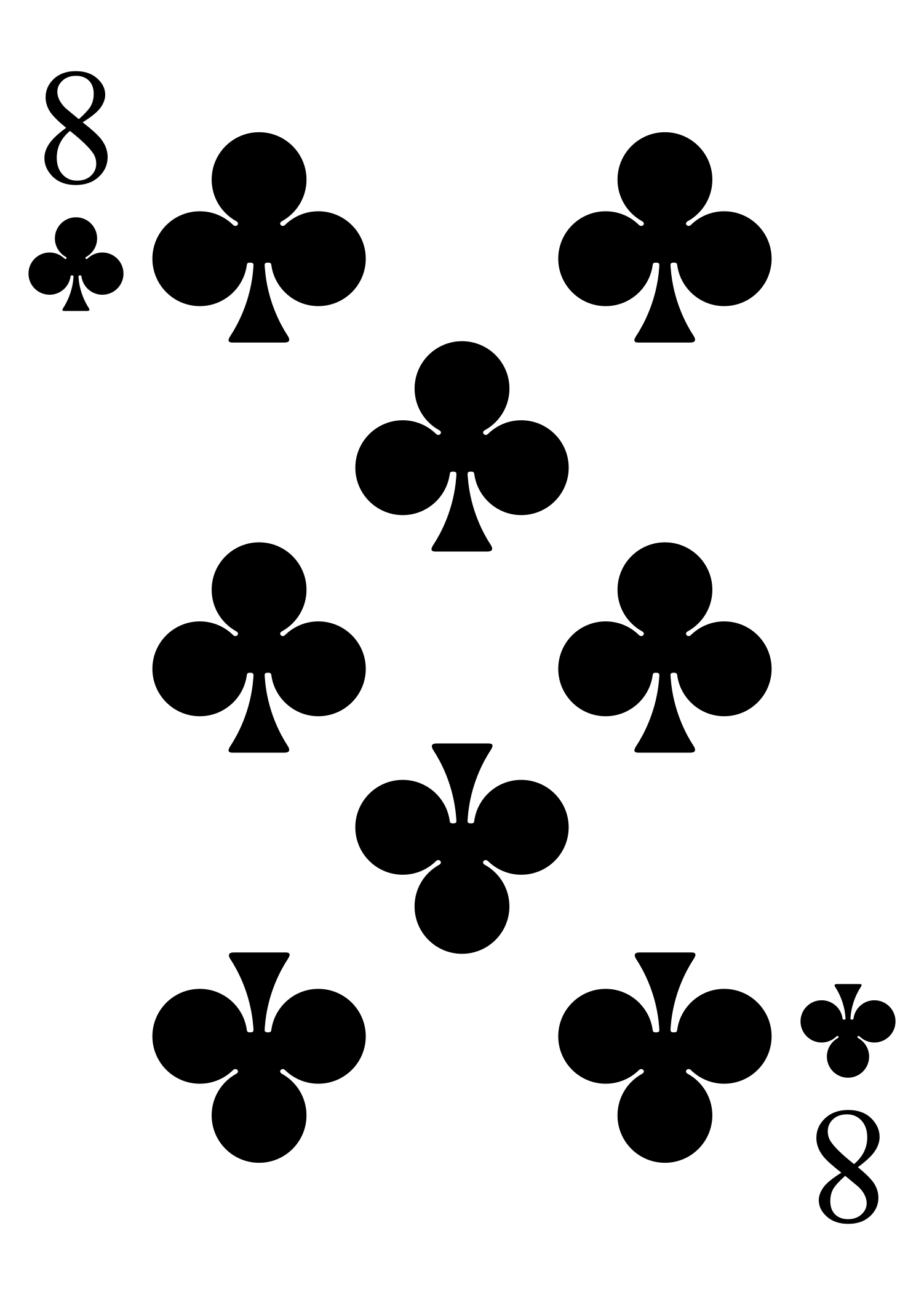 = 13
= 13 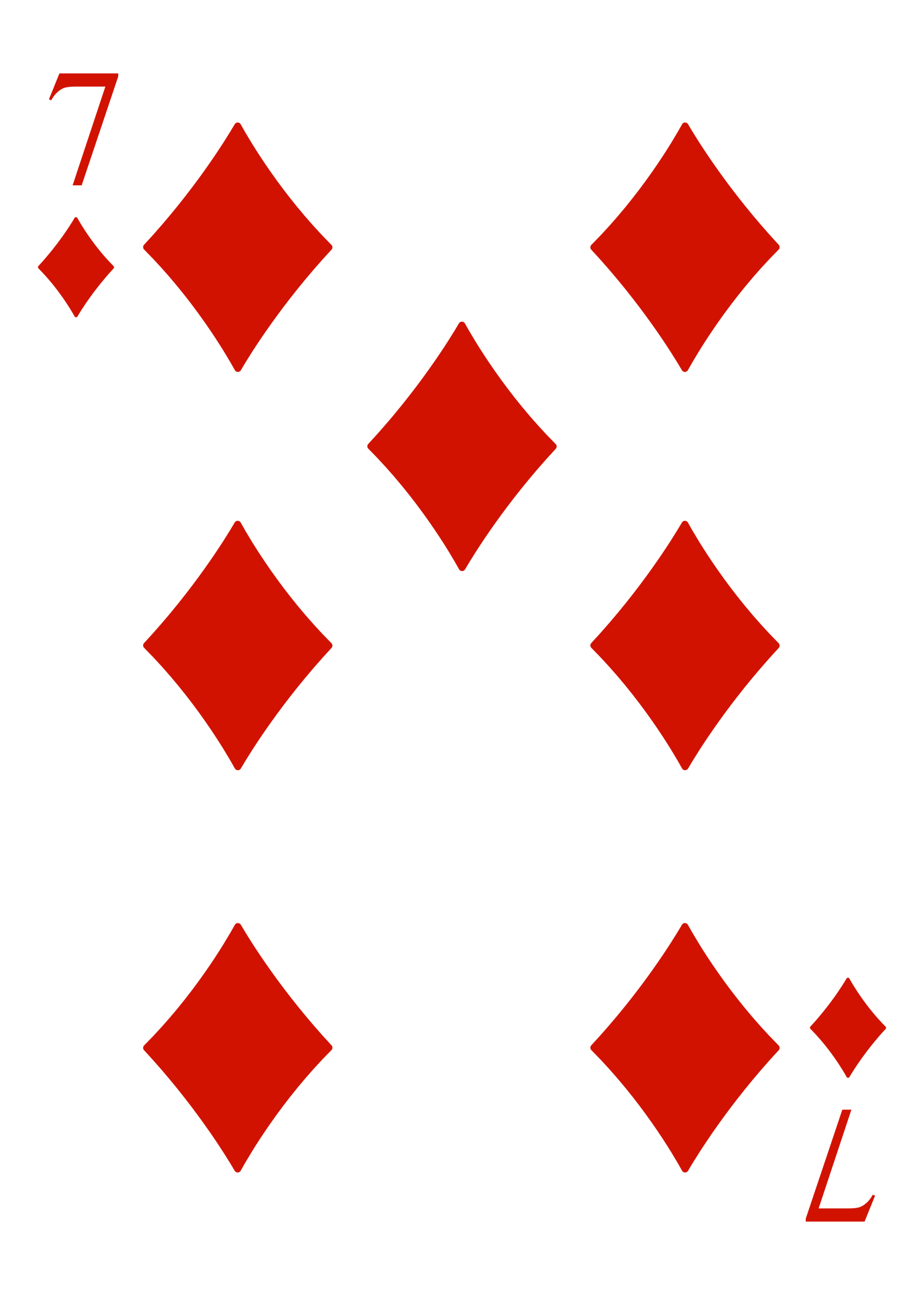 = 13
= 13 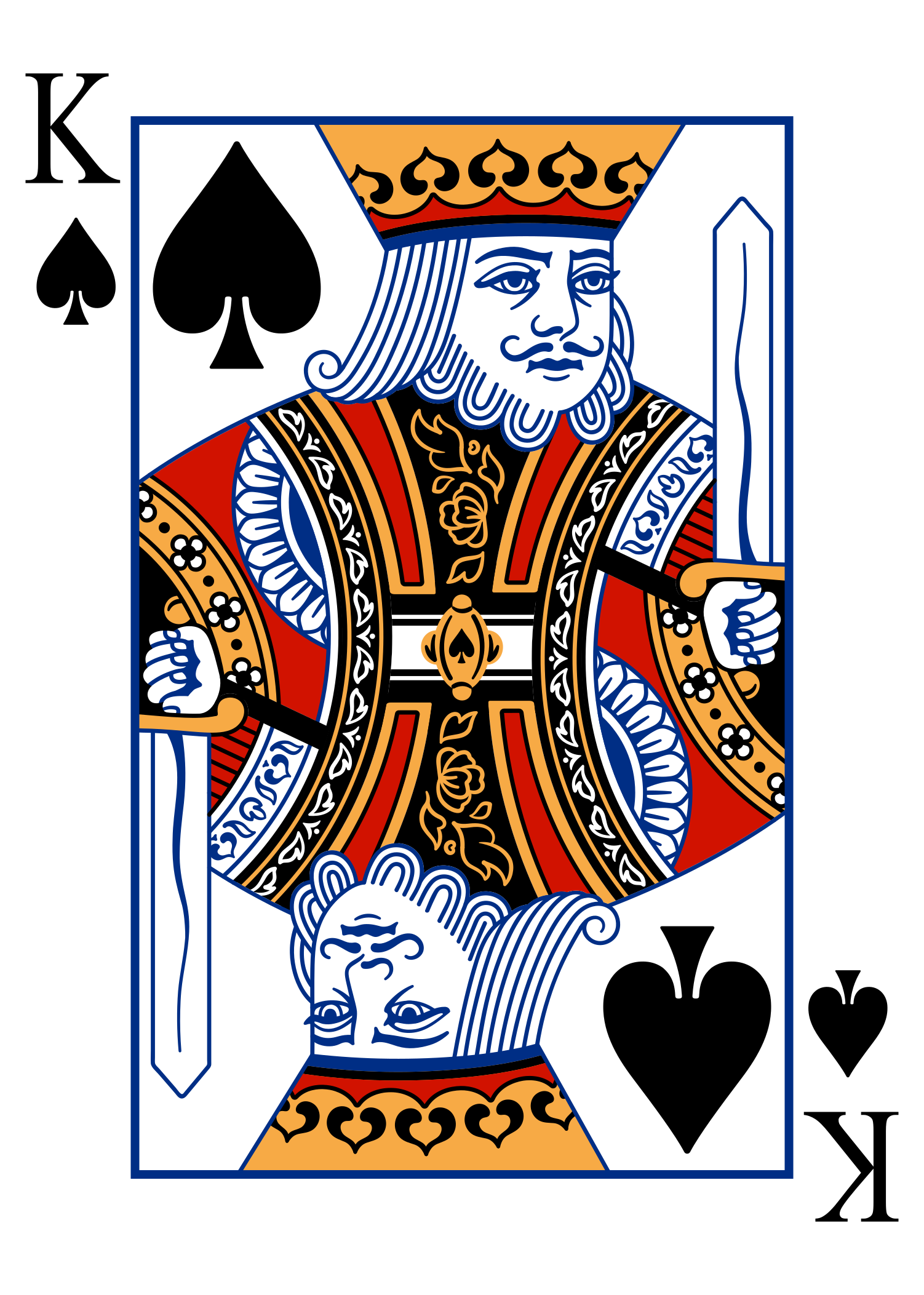 = 13
= 13 Want to try these pairs on a complete board? Play Pyramid Solitaire and keep this list nearby for your first game.
Why choosing the right pair matters
Your objective is to remove all 28 cards from the pyramid. A normal move removes two uncovered cards whose values add to exactly 13. Suits and colors do not matter. A black 6 can pair with a black 7 just as legally as it can with a red 7. Kings are the exception: because a King is already worth 13, it leaves by itself.
Clearing the pyramid, not exhausting the stock, is the win condition. Every removal should therefore be judged twice: first for whether it is legal, and then for what it exposes.
Setup — dealing the pyramid
Deal seven overlapping rows. The bottom seven cards are the only cards exposed at the start.
 24-card stock
- 01
Deal one card for the top of the pyramid.
- 02
Deal a second row of two cards, overlapping the lower corners of the top card.
- 03
Continue through seven rows, adding one card to each row. The row counts are 1 + 2 + 3 + 4 + 5 + 6 + 7 = 28.
- 04
Place the remaining 24 cards face down as the stock. Turn the top stock card face up beside it to begin the waste when you need another option.
Tips for dealing with physical cards
When playing with real cards, leave enough of every card visible to read its rank. A card becomes available only after both cards directly below it have been removed. That two-card test is the easiest way to avoid accidentally playing a still-covered card.
Pyramid Solitaire rules
Four rules decide every move. The pictures are enough to begin; open a card for the complete rule.
01 Use only uncovered cardsNothing may overlap the card you use. Complete rule+
A pyramid card is playable when no card overlaps it. All seven bottom-row cards begin uncovered. Higher cards become uncovered when the two cards directly below them are gone. You may pair two uncovered pyramid cards, or one uncovered pyramid card with the current waste card.
02 Remove pairs and exposed KingsChoose two exposed cards. A King leaves alone. Complete rule+
Select two available cards that total 13 and both leave the board. Select an available King once and it leaves alone. A covered King stays put until its blockers are removed, even though its value needs no partner.
03 Turn the stock one card at a timeOnly the top waste card is available. Complete rule+
When no useful tableau pair is available, turn the next stock card onto the waste. Only the top waste card is playable. Turning again covers it with a new card, so check the pyramid before advancing.
04 Win by clearing the pyramidRemove all 28 pyramid cards to win. Complete rule+
You win as soon as all 28 pyramid cards are removed. Cards may remain in the stock or waste. If the allowed stock passes end and the pyramid cannot be cleared, the deal is lost.
How many times can the stock be used?
Redeal rules vary between printed rulebooks and apps. On PlaySolitaire, the in-game stock behavior is the authority for the version you are playing. For a physical game, choose the number of passes before dealing and keep it consistent; unlimited cycling removes much of the planning challenge.
Strategy: plan around buried pairs
A legal pair is not always the best pair. Use this order when two moves are available.
01 Look at what each pair will uncover.Read upward from the blockers Open tip+
Before taking a bottom-row pair, follow both cards upward. Prefer the removal that exposes a new card, completes the second blocker under an important card, or opens two different future pairings. A legal move that reveals nothing may still be right, but it should not be automatic.
02 Save the last partner a buried card may need.Protect scarce partners Open tip+
If three 7s are visible or already discarded and a buried 6 still needs one, the final 7 has a job. The same logic applies to every pair family: A–Q, 2–J, 3–10, 4–9, 5–8, and 6–7. Count copies when the choice is close rather than trying to memorize the entire deck.
03 An exposed King is usually free progress.Remove exposed Kings promptly Open tip+
An exposed King blocks space and never needs a partner, so removing it is normally free progress. The useful exception is timing: if another move opens two cards while the King can safely wait, take the move that increases your options first and return to the King before advancing the waste.
04 Check every exposed card before drawing again.Pause before turning the stock Open tip+
A waste card can pair with any uncovered pyramid card. Scan all available ranks before drawing again, including newly exposed cards from the last move. The most common avoidable loss is covering a usable waste card because the player looked only at the bottom row.
05 Open both sides so the center does not lock.Work on both sides of the pyramid Open tip+
 ← center →
Clearing a narrow tunnel on one edge often leaves the center locked behind cards whose partners have passed through the waste. Balanced progress creates more exposed choices and makes stock cards useful in more than one place.
Your move order: uncover cards → protect scarce partners → remove Kings → draw only after checking.
Can every Pyramid deal be won?
No. Some shuffled deals are impossible. That is why the two figures below must not be read as the same measurement.
Original curation sample
Solver-cleared
1,520 scanned dealsGames served on this site
Solution verified
A solution exists; your choices still matter.Read the complete winnability note
The original pool-curation scan found 1,000 fully clearable deals among 1,520 sequential seeds and stopped there. Four searches reached the 12-million-state limit without a decision. The reported ≥ 65.8% is a lower bound for that sample, not an exact population rate or a player win rate.
Read the Pyramid method and source record.
The playable Pyramid game on this site serves a curated pool of solver-verified deals. Because the pool filters for solvability, its observed player results are not comparable to an unfiltered random-deal percentage. The distinction matters: “this dealt game has a solution” and “most random deals are solvable” are different claims.
A loss is therefore not proof that you missed an obvious move. Review where a partner became scarce, but accept that deal structure is part of Pyramid. Good play raises your results; it does not turn every random layout into a win.
Practice: a guided pyramid
Use a real, solver-verified deal. Make four removals and notice which choice opens the most useful cards.
Fixed lesson · deal #38
Make four removal moves with a plan
Use the available pairs or King to make four removal moves. Before each move, identify the card or cards it will uncover. The Hint button can point to a legal move; Restart restores this exact teaching deal.


After four removal moves, stop and compare the newly available ranks with the waste. If you created more than one useful follow-up, you are applying the central Pyramid skill: increasing options instead of chasing the first visible total of 13.
Pyramid vs TriPeaks vs Golf
All three clear cards, but each rewards a different kind of thinking.
Pairs
Pyramid
Arithmetic, blockers, and partner scarcity Remove two exposed cards totaling 13; Kings leave alone. Play Pyramid ›Peaks
TriPeaks
Long chains and opening peaks Remove one exposed card one rank above or below the waste. Try TriPeaks ›
Columns
Golf
Planning across seven fully visible columns Remove one tableau card one rank above or below the waste. Try Golf ›Pyramid Solitaire FAQ
What pairs add up to 13 in Pyramid Solitaire?
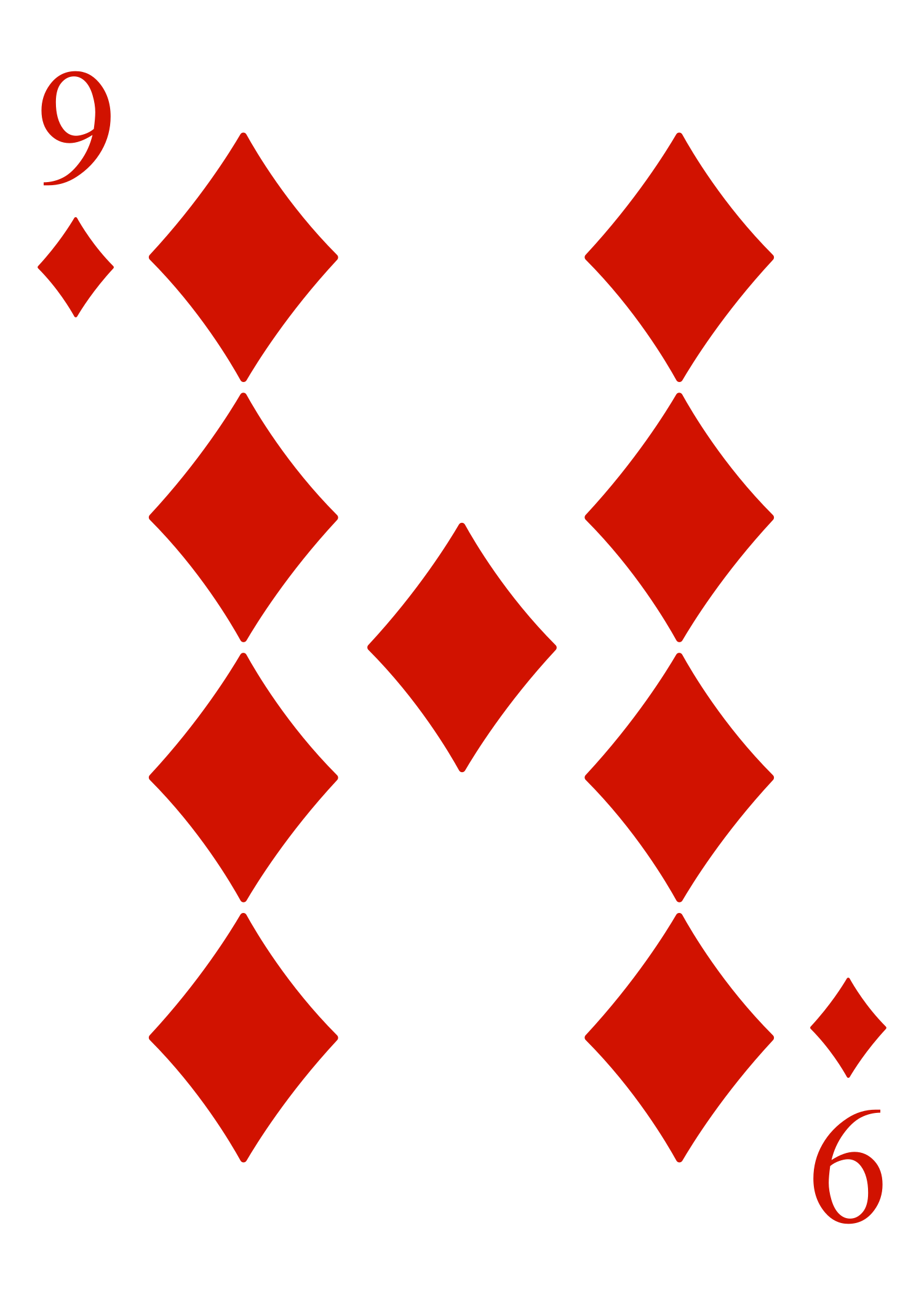
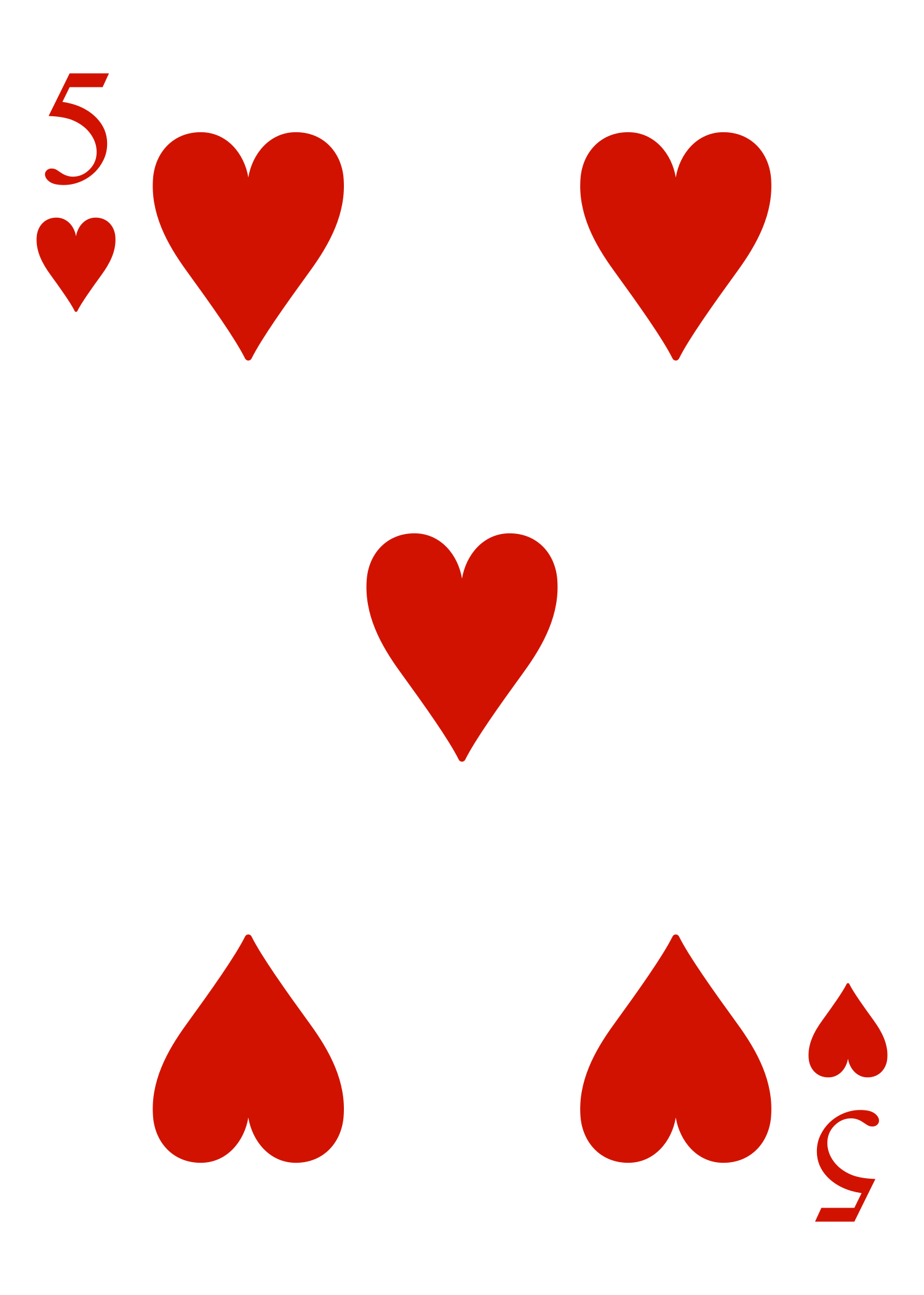
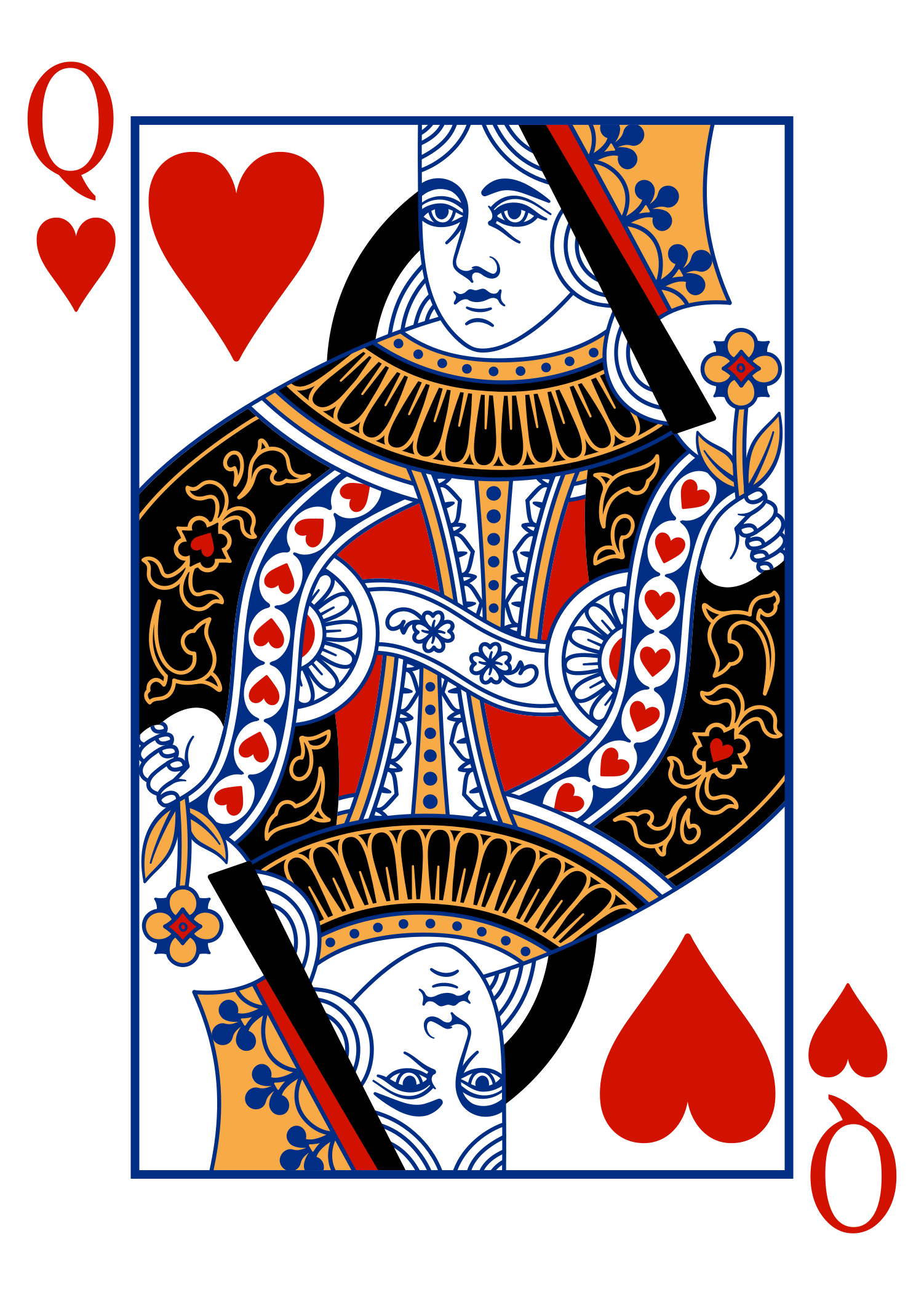
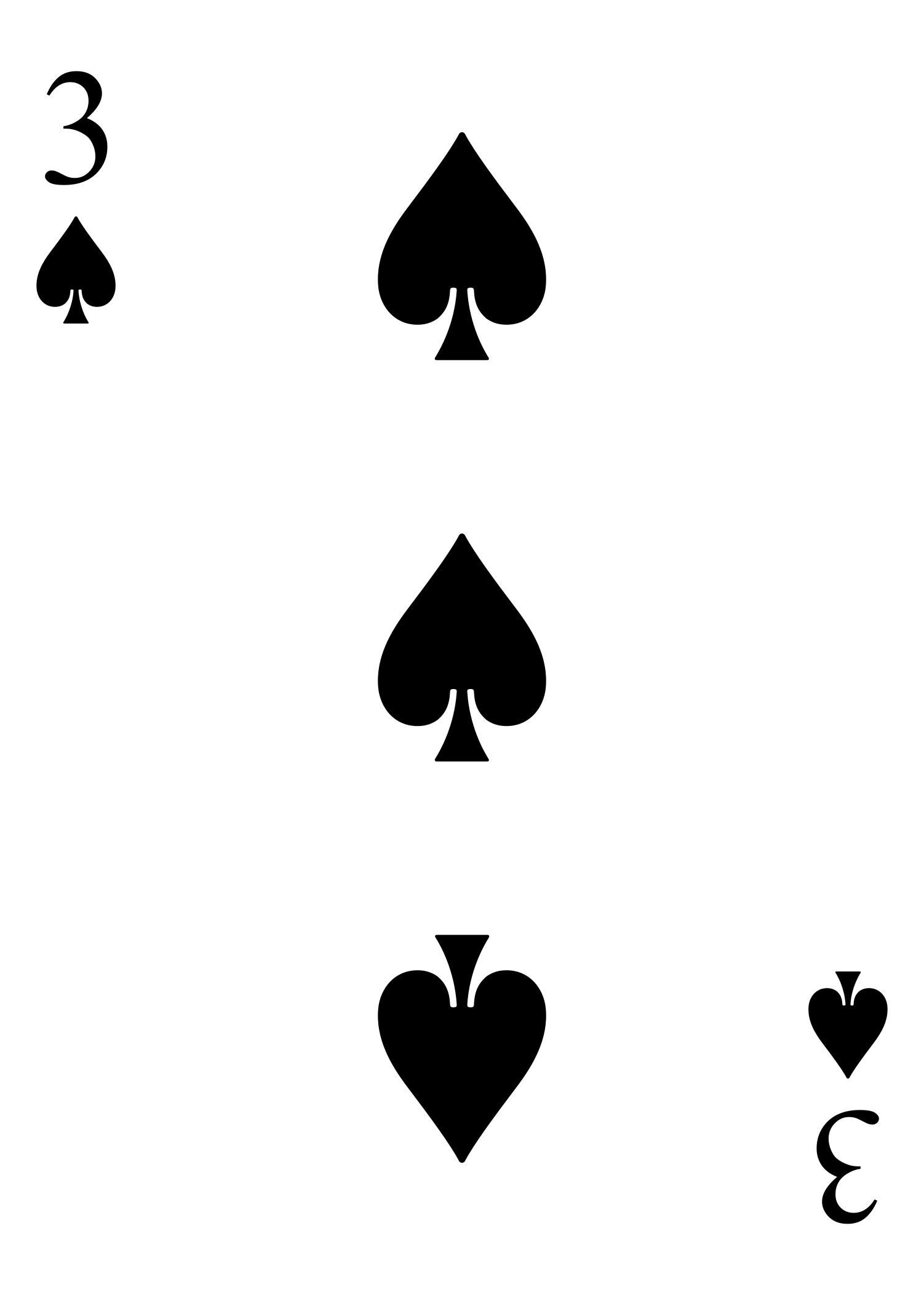
Ace–Queen, 2–Jack, 3–10, 4–9, 5–8, and 6–7. Suits do not matter. A King is worth 13 and is removed by itself.
Can you remove a King by itself?
Yes. An uncovered King leaves with a single selection because it already has a value of 13. A covered King cannot be removed until both cards overlapping it are gone.
How many cards are dealt into the pyramid?
Twenty-eight cards: seven rows containing 1, 2, 3, 4, 5, 6, and 7 cards. The other 24 cards form the stock.
How many times can you go through the stock?
That depends on the rule set. Some versions allow one pass, others allow limited redeals. Use the displayed stock rule online, or agree on a pass limit before a physical game.
Can every Pyramid Solitaire deal be won?
No. Some random deals are structurally impossible under fixed stock rules. Solver-verified deals guarantee that a solution exists, but you can still lose them by choosing the wrong sequence.